Blog · Blog
The Allure of Hypercars for the Next Generation
Hypercars represent the pinnacle of automotive engineering, a realm where performance, design, and technology converge to create vehicles that are not just modes of transportation …
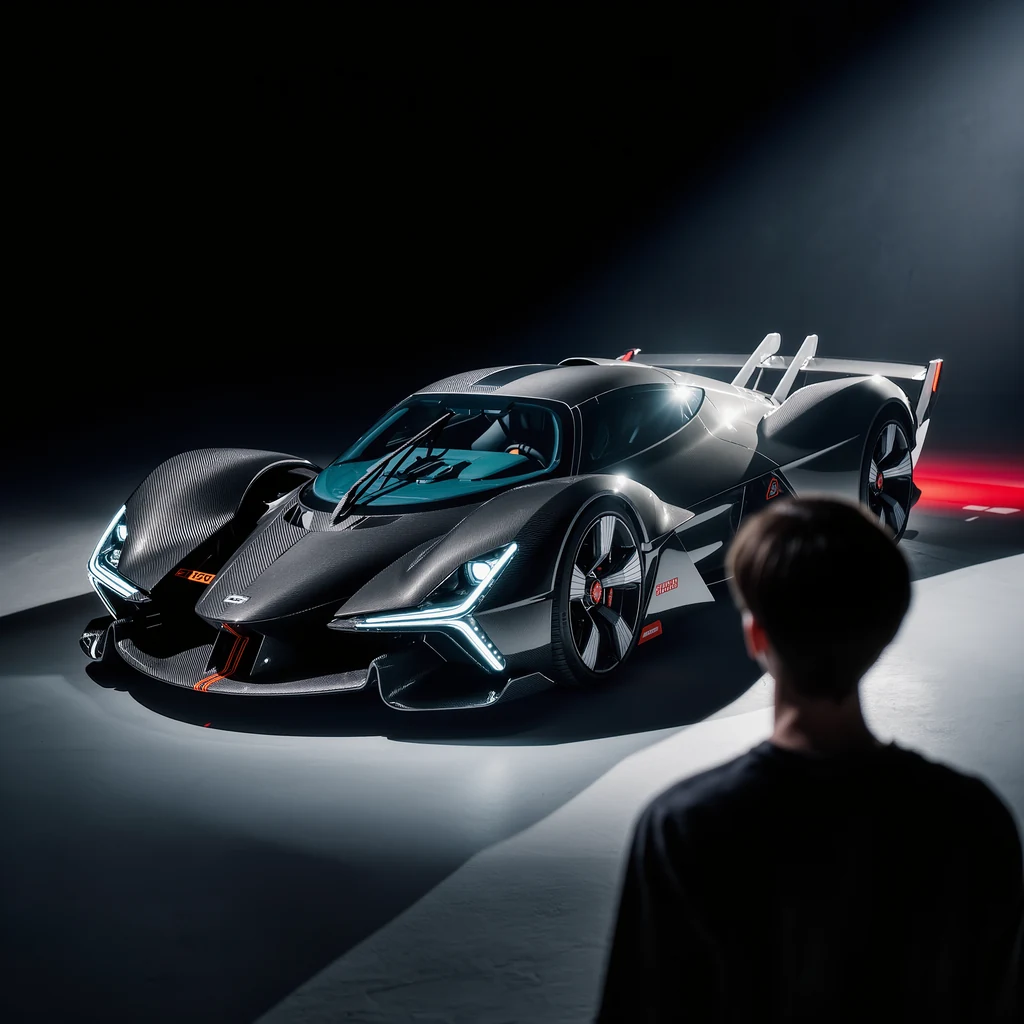
Hypercars represent the pinnacle of automotive engineering, a realm where performance, design, and technology converge to create vehicles that are not just modes of transportation but symbols of aspiration and innovation. These extraordinary machines are characterized by their extreme speed, cutting-edge technology, and often exorbitant price tags, making them the ultimate dream for car enthusiasts and collectors alike. The term “hypercar” itself denotes a class of vehicles that surpasses traditional supercars in terms of performance metrics, often boasting power outputs exceeding 1,000 horsepower and acceleration capabilities that can rival fighter jets. Owning a hypercar is not just about having a fast car; it is about being part of an elite community that appreciates the artistry and engineering prowess behind these machines. From the sleek lines of a McLaren P1 to the aggressive stance of a Bugatti Chiron, hypercars are masterpieces that evoke passion and admiration.
As we delve deeper into the world of hypercars, we will explore their evolution, cultural significance, and the future they promise in an ever-changing automotive landscape.
Key Takeaways
- Hypercars are high-performance, limited-production vehicles that push the boundaries of automotive engineering and design.
- The evolution of hypercars has seen a shift towards hybrid and electric powertrains, as well as advanced aerodynamics and materials.
- The next generation is captivated by hypercars, drawn to their speed, technology, and exclusivity.
- Technological advancements in hypercars have led to innovations in areas such as powertrains, aerodynamics, and connectivity.
- Hypercars have a significant environmental impact due to their high fuel consumption and carbon emissions, but advancements in electric and hybrid technology are addressing these concerns.
The Evolution of Hypercars
The journey of hypercars began in the late 20th century when manufacturers started pushing the boundaries of speed and performance. The term itself gained traction in the early 2000s, coinciding with the release of groundbreaking models like the Bugatti Veyron. This vehicle not only shattered speed records but also redefined what was possible in automotive design and engineering.
The Veyron’s combination of a quad-turbocharged W16 engine and a top speed exceeding 250 mph set a new standard for performance that would inspire future generations of hypercars. As technology advanced, so did the capabilities of these extraordinary vehicles. The introduction of hybrid powertrains marked a significant turning point in the evolution of hypercars.
Models like the Porsche 918 Spyder and Ferrari LaFerrari showcased how electric motors could complement traditional combustion engines, resulting in enhanced performance and efficiency. This shift not only improved acceleration times but also allowed manufacturers to explore innovative designs that prioritized aerodynamics and weight reduction. The evolution of hypercars is a testament to human ingenuity, reflecting our desire to create machines that are not only fast but also environmentally conscious.
The Next Generation’s Fascination with Hypercars
The fascination with hypercars is not limited to seasoned car enthusiasts; it has captured the imagination of younger generations as well. Social media platforms like Instagram and TikTok have played a pivotal role in this phenomenon, allowing hypercar manufacturers to showcase their latest models to a global audience. Stunning visuals and exhilarating videos have made hypercars more accessible to younger fans who may not have the means to own one but can still appreciate their beauty and performance from afar.
Moreover, the rise of gaming culture has further fueled this fascination. This exposure has created a new generation of car enthusiasts who dream of owning a hypercar one day.
The blend of technology, gaming, and social media has transformed hypercars into icons of aspiration for young people, making them symbols of success and achievement in an increasingly digital world.
The Technological Advancements in Hypercars
Hypercars are at the forefront of automotive technology, incorporating innovations that push the boundaries of what is possible on four wheels. From advanced aerodynamics to cutting-edge materials, every aspect of hypercar design is meticulously engineered to enhance performance. For instance, many hypercars utilize lightweight carbon fiber construction to reduce weight while maintaining structural integrity.
This focus on weight reduction allows for faster acceleration and improved handling, essential characteristics for any vehicle in this elite category. In addition to materials science, hypercars are equipped with sophisticated electronic systems that enhance both performance and safety. Features such as adaptive suspension systems, dynamic traction control, and advanced telemetry provide drivers with unparalleled control over their vehicles.
Furthermore, many hypercars now incorporate artificial intelligence to optimize performance based on driving conditions and driver behavior. These technological advancements not only improve the driving experience but also set new benchmarks for safety and efficiency in the automotive industry.
The Environmental Impact of Hypercars
While hypercars are often associated with excess and luxury, there is a growing awareness among manufacturers regarding their environmental impact. As concerns about climate change and sustainability become more pressing, many hypercar brands are taking steps to reduce their carbon footprint. The integration of hybrid powertrains is one such response, allowing for reduced emissions without sacrificing performance.
For example, models like the McLaren P1 and Ferrari SF90 Stradale demonstrate how high-performance vehicles can embrace eco-friendly technologies. Moreover, some manufacturers are exploring fully electric hypercars as a way to redefine performance standards while minimizing environmental impact. Brands like Rimac Automobili have made headlines with their all-electric hypercars that deliver astonishing speed and acceleration while producing zero emissions.
This shift towards electrification represents a significant turning point in the hypercar segment, challenging traditional notions of power and performance while aligning with global sustainability goals.
The Influence of Hypercars in Popular Culture
Hypercars have transcended their automotive origins to become cultural icons that permeate various aspects of popular culture. From blockbuster films to music videos, these vehicles often symbolize wealth, power, and freedom. Movies like “Fast & Furious” have showcased hypercars in thrilling chase scenes, further embedding them into the collective consciousness as symbols of speed and adventure.
The visual spectacle of these cars on screen captivates audiences and fuels desire among fans. In addition to film, hypercars have found their way into fashion and art, with designers drawing inspiration from their sleek lines and innovative designs. Collaborations between automotive brands and fashion houses have resulted in limited-edition merchandise that celebrates the artistry behind these machines.
This cross-pollination between industries highlights how hypercars have become more than just vehicles; they are now integral components of lifestyle branding that resonate with consumers seeking luxury and exclusivity.
The Role of Hypercars in Shaping the Future of Automotive Industry
As the automotive industry undergoes significant transformation driven by technological advancements and changing consumer preferences, hypercars play a crucial role in shaping this future landscape. Their emphasis on innovation pushes manufacturers to explore new technologies that can eventually trickle down to more mainstream vehicles. Features such as advanced aerodynamics, lightweight materials, and hybrid powertrains developed for hypercars often find applications in everyday cars, enhancing overall performance and efficiency.
Furthermore, hypercars serve as testbeds for emerging technologies such as autonomous driving systems and connectivity features. As manufacturers experiment with these innovations in high-performance settings, they gather valuable data that can inform future developments across the industry. The lessons learned from hypercar engineering can lead to safer, more efficient vehicles for consumers while maintaining the thrill associated with driving.
Hypercars as a Symbol of Status and Luxury
Owning a hypercar is often seen as the ultimate status symbol: a testament to wealth, success, and refined taste. These vehicles are not just about speed; they represent an exclusive lifestyle that few can attain. The limited production numbers associated with many hypercar models contribute to their allure; owning one is akin to possessing a rare piece of art or jewelry.
This exclusivity fosters a sense of community among owners who share a passion for high-performance automobiles. Moreover, hypercars often come with bespoke customization options that allow owners to tailor their vehicles to their personal preferences. From unique paint colors to personalized interiors adorned with luxurious materials, each hypercar can be a reflection of its owner’s individuality.
This level of personalization further enhances their status as symbols of luxury, vehicles that are not only fast but also uniquely representative of their owners’ tastes.
The Appeal of Hypercars to Younger Generations
The appeal of hypercars extends beyond mere aesthetics or performance; they resonate deeply with younger generations who seek experiences that transcend traditional ownership models. Many young enthusiasts view hypercars as aspirational objects that embody freedom and adventure, qualities that align with their values in an increasingly digital world. The thrill associated with driving or even riding in a hypercar is often seen as an experience worth pursuing.
Additionally, social media has played a pivotal role in shaping this appeal. Platforms like Instagram allow young people to engage with hypercar culture through stunning visuals and engaging content created by influencers and automotive enthusiasts alike. This constant exposure fosters a sense of connection between young fans and these extraordinary machines, making them more than just cars; they become part of a lifestyle narrative that emphasizes excitement, innovation, and community.
The Future of Hypercars: Electric and Autonomous Features
As we look toward the future, it is clear that electric powertrains will play an increasingly prominent role in the evolution of hypercars. With advancements in battery technology and electric motors, manufacturers are poised to create vehicles that deliver breathtaking performance while minimizing environmental impact. Electric hypercars like the Rimac Nevera have already demonstrated that electric power can rival traditional combustion engines in terms of speed and acceleration.
Moreover, the integration of autonomous features into hypercars presents exciting possibilities for the future of driving. While many enthusiasts cherish the thrill of manual driving, there is potential for hybrid systems that combine autonomous capabilities with driver engagement, allowing drivers to choose when they want to take control or let the vehicle handle itself during less exhilarating moments. This duality could redefine what it means to experience a hypercar while embracing technological advancements that enhance safety and convenience.
The Enduring Allure of Hypercars
In conclusion, hypercars represent more than just high-performance vehicles; they embody a lifestyle characterized by luxury, innovation, and aspiration. Their evolution reflects our relentless pursuit of excellence in engineering while adapting to changing societal values regarding sustainability and technology. As younger generations embrace these extraordinary machines through social media and gaming culture, the allure of hypercars continues to thrive.
Looking ahead, the future promises exciting developments as electric powertrains and autonomous features reshape our understanding of performance vehicles. Despite these changes, one thing remains certain: the enduring allure of hypercars will continue to captivate enthusiasts around the world for years to come, serving as symbols not only of speed but also of human ingenuity and creativity in an ever-evolving automotive landscape.
FAQs
What is a hypercar?
A hypercar is a high-performance sports car that is designed with cutting-edge technology and materials to achieve extreme speed and performance.What makes hypercars fascinating to the next generation?
Hypercars fascinate the next generation due to their advanced engineering, futuristic designs, and record-breaking speed capabilities. They represent the pinnacle of automotive innovation and offer a glimpse into the future of transportation.What are some examples of popular hypercars?
Popular hypercars include the Bugatti Chiron, Koenigsegg Jesko, McLaren Speedtail, and the Rimac C_Two. These vehicles are known for their exceptional performance and limited production numbers.How are hypercars different from regular sports cars?
Hypercars are different from regular sports cars in terms of their extreme performance, advanced technology, and limited production numbers. They often feature hybrid or electric powertrains, lightweight materials, and aerodynamic designs to achieve unparalleled speed and handling.Why are hypercars considered a symbol of technological advancement?
Hypercars are considered a symbol of technological advancement because they often incorporate cutting-edge engineering, materials, and design concepts. They push the boundaries of what is possible in automotive performance and serve as a showcase for the latest innovations in the industry.More in
More from Blog
Blog · 27 min
The Future of Hypercars: Electrification, Autonomy, and the Next Performance Frontier
The future of hypercars: how electrification, solid-state batteries, hybrid V16 powertrains, 3D printing, active aero, autonomy and eFuels redefine pe…
Blog · 29 min
Hypercar Maintenance Guide: The True Cost of Keeping an Automotive Masterpiece on the Road
Hypercar maintenance guide: real annual service costs from Bugatti and Koenigsegg to Pagani and Rimac, plus tire, brake and resale-value insights for …

Blog · 24 min
Hypercar Events Worldwide: The Ultimate Calendar for Collectors and Enthusiasts
Hypercar events worldwide: a collector’s calendar from Monterey Car Week and Goodwood to Villa d’Este, Top Marques Monaco, elite rallies a…