Blog · Blog
Comparing Hypercar Taxes: Europe vs. Middle East
The world of hypercars is a realm where engineering excellence meets luxury, and the price tags often reflect this unique blend. As these high-performance vehicles become increasin…
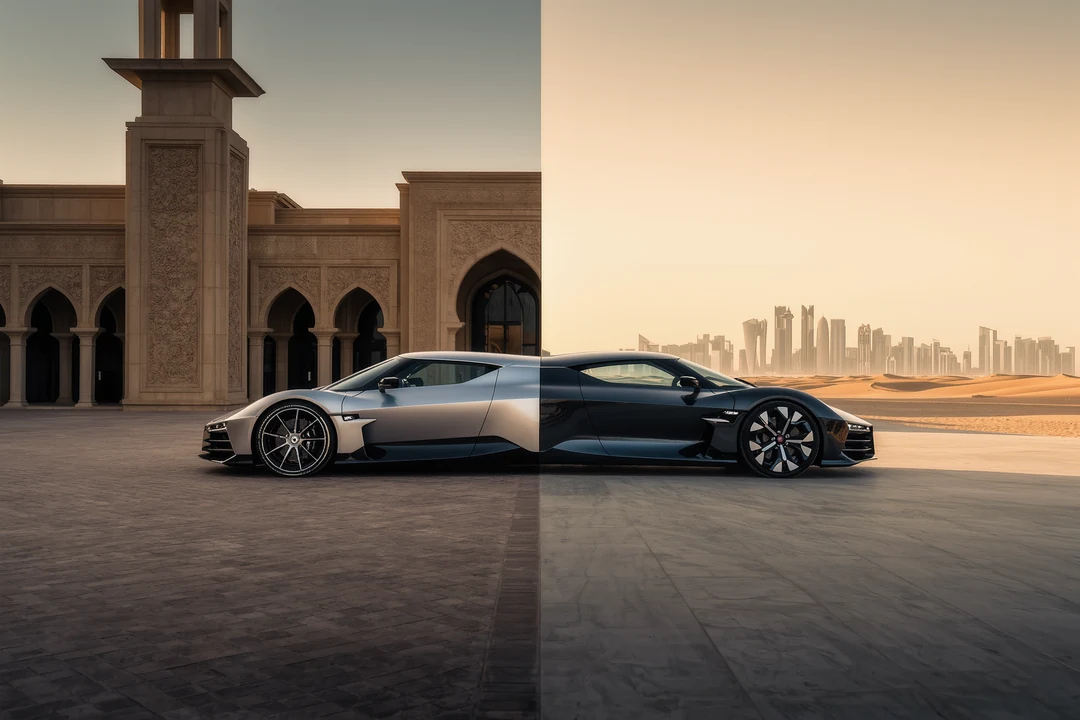
The world of hypercars is a realm where engineering excellence meets luxury, and the price tags often reflect this unique blend. As these high-performance vehicles become increasingly popular among affluent buyers, governments around the globe have begun to implement specific tax policies aimed at this elite segment of the automotive market. Hypercar taxes are designed not only to generate revenue but also to address environmental concerns and regulate the ownership of such extravagant vehicles.
This article delves into the intricacies of hypercar taxation, exploring how different regions approach this issue and the implications for both consumers and governments. Hypercars, defined as high-performance vehicles that push the boundaries of speed, technology, and design, often come with price tags that can soar into the millions. As a result, the taxes levied on these vehicles can be substantial, reflecting their status as luxury items.
Understanding hypercar taxes is essential for potential buyers, manufacturers, and policymakers alike, as these taxes can significantly influence purchasing decisions and market dynamics. This exploration will take us through various regions, examining how hypercar taxes differ and what that means for the future of this exclusive automotive segment.
Key Takeaways
- Introduction to Hypercar Taxes:
- Hypercar taxes are a form of luxury tax imposed on high-end, high-performance vehicles.
- These taxes are often implemented to generate revenue and discourage excessive consumption of luxury goods.
- Hypercar Tax Rates in Europe:
- European countries have varying tax rates for hypercars, with some imposing high taxes to deter excessive consumption and others offering tax breaks to promote the automotive industry.
- Hypercar Tax Rates in the Middle East:
- In the Middle East, hypercar tax rates are generally lower compared to Europe, as these countries often have a strong affinity for luxury vehicles and aim to attract wealthy individuals.
- Differences in Taxation Policies:
- The differences in hypercar taxation policies between Europe and the Middle East reflect contrasting economic and cultural priorities.
- Impact on Hypercar Sales:
- Hypercar taxes can significantly impact sales, with high tax rates potentially deterring buyers and low tax rates attracting more consumers.
- Examples of Hypercar Taxes in European Countries:
- Countries like the UK and Denmark have high hypercar tax rates, while Italy and Germany offer more favorable tax policies for hypercars.
- Examples of Hypercar Taxes in Middle Eastern Countries:
- Middle Eastern countries like the UAE and Qatar have lower hypercar tax rates, making them attractive markets for hypercar enthusiasts.
- Government Revenue from Hypercar Taxes:
- Hypercar taxes contribute to government revenue, which can be used for public services and infrastructure development.
- Consumer Perspectives on Hypercar Taxes:
- Consumers may view hypercar taxes as a barrier to ownership, while others may see them as a necessary measure to address income inequality.
- Potential Changes in Taxation Policies:
- There is potential for changes in hypercar taxation policies as governments seek to balance revenue generation with industry promotion and consumer demand.
- Conclusion: Finding the Best Taxation Model:
- The best hypercar taxation model should strike a balance between generating revenue, promoting industry growth, and addressing societal concerns about luxury consumption.
Hypercar Tax Rates in Europe
In Europe, hypercar tax rates vary significantly from country to country, influenced by local economic conditions, environmental policies, and government priorities. Countries like France, Germany, and the United Kingdom have established tax frameworks that target high-value vehicles, often incorporating both registration fees and annual road taxes based on emissions and engine size. For instance, in the UK, luxury car owners face a hefty Vehicle Excise Duty (VED) that escalates with the car’s value, making ownership of hypercars a costly affair.
Moreover, many European nations are increasingly focusing on environmental sustainability. This has led to the introduction of additional taxes aimed at reducing carbon emissions from high-performance vehicles. In countries like Norway and Sweden, owners of hypercars may find themselves subject to higher taxes if their vehicles do not meet stringent emissions standards.
This dual approach, taxing both the luxury aspect and the environmental impact, reflects a growing trend in Europe to balance revenue generation with ecological responsibility.
Hypercar Tax Rates in the Middle East
In stark contrast to Europe, the Middle East presents a different landscape for hypercar taxation. Many countries in this region, particularly those with significant oil revenues like the United Arab Emirates and Saudi Arabia, have historically maintained low or even negligible tax rates on luxury vehicles. This has made the Middle East a haven for hypercar enthusiasts, with many affluent buyers flocking to cities like Dubai to purchase their dream cars without the burden of heavy taxation.
However, recent years have seen some shifts in this paradigm. As governments in the region seek to diversify their economies away from oil dependency, there is a growing interest in implementing more structured tax policies. While hypercars still enjoy relatively low tax rates compared to their European counterparts, discussions around introducing value-added taxes (VAT) or luxury taxes are becoming more common.
This evolving landscape suggests that while the Middle East remains an attractive market for hypercars today, future taxation policies may alter this dynamic.
Differences in Taxation Policies
The differences in taxation policies between Europe and the Middle East highlight a broader conversation about wealth distribution and environmental responsibility. In Europe, where social welfare systems are often funded through progressive taxation, high-value items like hypercars are seen as appropriate targets for increased taxation. This approach not only generates revenue but also serves as a deterrent against excessive consumption of luxury goods that contribute to environmental degradation.
Conversely, the Middle East’s approach reflects a different set of priorities. With economies heavily reliant on oil revenues, there has historically been less incentive to impose high taxes on luxury items. The focus has been on attracting foreign investment and stimulating local economies through consumer spending.
However, as these nations grapple with economic diversification and sustainability goals, there is a growing recognition that a more balanced approach to taxation may be necessary.
Impact on Hypercar Sales
The varying tax rates across regions have a direct impact on hypercar sales. In Europe, where taxes can significantly inflate the cost of ownership, potential buyers may think twice before making such a substantial investment. The high cost of registration and annual taxes can deter even the most passionate car enthusiasts from purchasing their dream vehicles.
Consequently, manufacturers may need to adjust their pricing strategies or offer incentives to maintain sales in these markets. In contrast, the relatively low tax environment in the Middle East has fostered a booming hypercar market. The absence of heavy taxation allows buyers to indulge in their passion for high-performance vehicles without facing prohibitive costs.
This has led to an influx of luxury car dealerships and events showcasing hypercars, further solidifying the region’s status as a global hub for automotive luxury. However, as potential changes in taxation policies loom on the horizon, manufacturers and consumers alike may need to prepare for shifts in this dynamic market.
Examples of Hypercar Taxes in European Countries
Several European countries exemplify the diverse approaches to hypercar taxation. In France, for instance, owners of vehicles valued over €36,000 face an annual tax based on their car’s horsepower and CO2 emissions. This means that hypercars with powerful engines not only incur high initial costs but also ongoing expenses that can add up significantly over time.
Germany employs a similar system but adds another layer by incorporating a vehicle’s emissions into its tax structure. The more environmentally friendly a vehicle is deemed to be, the lower its tax burden will be. This incentivizes manufacturers to produce cleaner models while simultaneously discouraging consumers from purchasing high-emission hypercars.
In Italy, luxury car buyers must navigate a complex web of regional taxes that can vary widely depending on where they reside, further complicating the ownership experience.
Examples of Hypercar Taxes in Middle Eastern Countries
In the Middle East, countries like the UAE have long been known for their minimal taxation on luxury vehicles. In Dubai, for example, there is no road tax or vehicle registration fee for cars valued under AED 300,000 (approximately $81,600), making it an attractive destination for hypercar enthusiasts. However, as part of broader economic reforms aimed at diversifying revenue sources, there have been discussions about introducing VAT on luxury goods.
Saudi Arabia has also maintained low tax rates on luxury vehicles but has recently begun exploring new taxation models as part of its Vision 2030 initiative aimed at economic diversification. While hypercars remain relatively untaxed compared to other regions, potential changes could reshape the landscape for luxury vehicle ownership in the coming years.
Government Revenue from Hypercar Taxes
The revenue generated from hypercar taxes can be significant for governments seeking to fund public services and infrastructure projects. The high cost of ownership associated with hypercars means that even a small percentage of tax can translate into substantial revenue.
In contrast, while Middle Eastern countries may currently benefit from lower tax revenues from luxury vehicles, they are beginning to recognize the potential for increased income through more structured taxation policies. As these nations seek to diversify their economies away from oil dependency, tapping into the wealth generated by luxury goods could provide an essential revenue stream for future development projects.
Consumer Perspectives on Hypercar Taxes
From a consumer perspective, hypercar taxes can evoke mixed feelings. On one hand, many affluent buyers view these taxes as a necessary contribution to society, supporting public services and environmental initiatives that benefit everyone. On the other hand, high tax rates can be seen as punitive measures that disproportionately affect those who have worked hard to achieve financial success.
In regions with lower tax rates like the Middle East, consumers often express gratitude for the favorable conditions that allow them to indulge in their passion for hypercars without facing excessive financial burdens. However, as discussions around potential changes in taxation policies gain traction, there is a growing concern among consumers about how these changes might impact their ability to own and enjoy these extraordinary vehicles.
Potential Changes in Taxation Policies
As governments worldwide grapple with economic challenges and shifting priorities, potential changes in taxation policies regarding hypercars are likely inevitable. In Europe, there is increasing pressure to align tax structures with environmental goals while ensuring that revenue generation remains robust. This could lead to more stringent regulations on emissions and higher taxes on high-performance vehicles that do not meet specific criteria.
In the Middle East, as nations seek to diversify their economies and reduce reliance on oil revenues, there may be a push toward implementing more comprehensive tax frameworks for luxury goods. While this could lead to increased costs for consumers in the short term, it may also provide governments with much-needed revenue to invest in infrastructure and social programs.
Finding the Best Taxation Model
In conclusion, navigating the complex landscape of hypercar taxation requires careful consideration of various factors including economic conditions, environmental responsibilities, and consumer perspectives. While Europe tends to adopt a more progressive approach aimed at generating revenue and promoting sustainability, the Middle East has historically favored low tax rates to stimulate consumer spending and attract investment. As both regions evolve in response to changing economic realities and societal expectations, finding an optimal taxation model will be crucial for balancing government revenue needs with consumer interests.
Ultimately, striking this balance will not only shape the future of hypercar ownership but also influence broader discussions about wealth distribution and environmental stewardship in an increasingly interconnected world.
FAQs
What are the tax rates on hypercars in Europe?
In Europe, the tax rates on hypercars can vary significantly from country to country. Generally, European countries have high tax rates on luxury and high-performance vehicles, which can include high import duties, value-added tax (VAT), and annual road taxes.How do tax rates on hypercars in the Middle East compare to those in Europe?
In the Middle East, tax rates on hypercars are generally lower compared to Europe. Some countries in the Middle East, such as the United Arab Emirates, have no income tax or VAT, which can result in lower overall tax burdens for hypercar owners.What are some examples of specific tax rates on hypercars in Europe?
For example, in the United Kingdom, hypercars can be subject to a high rate of vehicle excise duty (VED) based on their emissions, as well as a luxury car tax for vehicles over a certain value. In countries like Germany and Italy, there are also high registration taxes and annual road taxes for hypercars.Are there any specific tax incentives for hypercars in the Middle East?
In some Middle Eastern countries, there are specific tax incentives for hypercars, such as lower import duties or exemptions for luxury vehicles. Additionally, some countries offer special economic zones or free trade zones where hypercars can be imported and owned with reduced tax burdens.How do tax rates on hypercars impact the market for these vehicles in Europe and the Middle East?
The higher tax rates on hypercars in Europe can make these vehicles significantly more expensive to purchase and own, potentially impacting the market for hypercars in these countries. In contrast, the lower tax rates in the Middle East may make it a more attractive market for hypercar buyers.More in
More from Blog

Blog · 27 min
The Future of Hypercars: Electrification, Autonomy, and the Next Performance Frontier
The future of hypercars: how electrification, solid-state batteries, hybrid V16 powertrains, 3D printing, active aero, autonomy and eFuels redefine pe…
Blog · 29 min
Hypercar Maintenance Guide: The True Cost of Keeping an Automotive Masterpiece on the Road
Hypercar maintenance guide: real annual service costs from Bugatti and Koenigsegg to Pagani and Rimac, plus tire, brake and resale-value insights for …

Blog · 24 min
Hypercar Events Worldwide: The Ultimate Calendar for Collectors and Enthusiasts
Hypercar events worldwide: a collector’s calendar from Monterey Car Week and Goodwood to Villa d’Este, Top Marques Monaco, elite rallies a…