Blog · Blog
The Footballers Who Travel With Their Hypercars
The intersection of luxury automobiles and professional sports has long captivated the public’s imagination, but few pairings are as striking as that of hypercars and footbal…
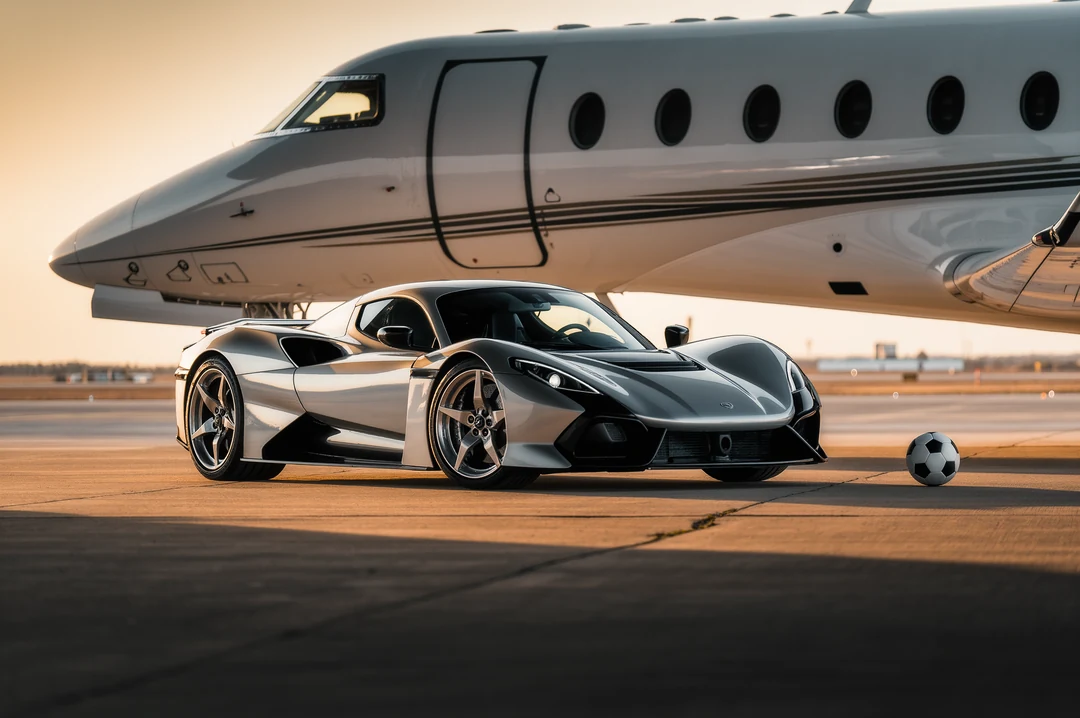
The intersection of luxury automobiles and professional sports has long captivated the public’s imagination, but few pairings are as striking as that of hypercars and footballers. Hypercars, defined by their extreme performance, cutting-edge technology, and exorbitant price tags, have become a symbol of success and prestige among elite athletes. For footballers, who often earn staggering salaries and enjoy a lifestyle that many can only dream of, owning a hypercar is not just about transportation; it’s a statement of identity and achievement.
The allure of these high-performance machines resonates deeply with footballers, who are drawn to their speed, design, and the exclusivity they represent. As the world of football continues to evolve, so too does the culture surrounding it. The modern footballer is not just an athlete; they are a brand, a celebrity, and often a trendsetter.
The hypercar has emerged as a quintessential accessory for these stars, reflecting their hard work and dedication on the pitch. From the sleek lines of a McLaren to the raw power of a Bugatti, these vehicles serve as both a reward for their accomplishments and a means of expressing their individuality. In this article, we will explore the various facets of hypercar ownership among footballers, delving into the brands they favor, the customization options available, and the broader implications of this luxurious lifestyle.
Key Takeaways
- Hypercars and footballers share a world of luxury, speed, and status, with many players investing in these high-performance vehicles to showcase their wealth and style.
- Among the most popular hypercar brands favored by footballers are Bugatti, Lamborghini, Ferrari, and McLaren, known for their sleek designs and exceptional performance.
- Footballers often customize their hypercars with unique paint jobs, personalized interiors, and special features to reflect their individual tastes and personalities.
- Some of the most extravagant hypercar purchases made by footballers include multi-million dollar Bugatti and Ferrari models, showcasing their extravagant spending habits.
- Traveling with hypercars presents challenges for footballers, including navigating narrow streets, finding suitable parking, and ensuring the safety of their prized vehicles.
The most popular hypercar brands among footballers
When it comes to hypercars, certain brands have established themselves as favorites among footballers. Lamborghini, Ferrari, and Bugatti are often at the forefront of this elite automotive landscape. The unmistakable roar of a Lamborghini engine is music to the ears of many footballers, who appreciate the brand’s bold designs and performance capabilities.
Models like the Lamborghini Aventador and Huracán have become staples in the garages of top players, embodying a sense of adventure and thrill that resonates with their on-field personas. Ferrari, with its rich racing heritage and iconic status, also holds a special place in the hearts of footballers. The allure of owning a Ferrari is not just about speed; it’s about being part of an exclusive club that celebrates excellence in engineering and design.
The Ferrari 488 and LaFerrari are particularly sought after, often seen as symbols of prestige that align perfectly with the lifestyle of elite athletes. Meanwhile, Bugatti stands out for its unparalleled performance and luxury, with models like the Chiron representing the pinnacle of automotive engineering. For footballers who desire not only speed but also an unmatched level of opulence, Bugatti is often the ultimate choice.
How footballers customize their hypercars to reflect their personal style
Customization is a significant aspect of hypercar ownership for footballers, allowing them to infuse their vehicles with personal flair and individuality. Many players opt for bespoke paint jobs that reflect their personality or team colors, transforming their hypercars into unique works of art. Custom interiors featuring luxurious materials such as leather and carbon fiber are also popular choices, enabling footballers to create an environment that mirrors their tastes and preferences.
Beyond aesthetics, some footballers choose to enhance their hypercars’ performance through modifications. Upgraded exhaust systems, improved suspension setups, and advanced tuning can elevate a vehicle’s capabilities to match the player’s desire for speed and agility. This level of personalization not only makes their cars stand out but also serves as an extension of their identity, each modification tells a story about who they are both on and off the pitch.
In this way, hypercars become more than just vehicles; they transform into personal statements that reflect the unique journeys of these athletes.
The most extravagant hypercar purchases made by footballers
The world of hypercars is rife with extravagant purchases that often leave fans in awe. Footballers have been known to splurge on some of the most exclusive models available, showcasing their wealth and taste for luxury. One notable example is Cristiano Ronaldo’s acquisition of a Bugatti Chiron, which reportedly cost him around $3 million.
This purchase not only highlights Ronaldo’s status as one of the highest-paid athletes in the world but also his penchant for speed and performance. Another extravagant purchase comes from Lionel Messi, who has been spotted with a custom-made Ferrari F430 Spider. This vehicle was tailored specifically for him, featuring unique design elements that reflect his personal style.
Such purchases are not merely about owning a car; they represent a lifestyle filled with luxury and exclusivity that few can attain.
The challenges of traveling with hypercars for footballers
While owning a hypercar is undoubtedly glamorous, it comes with its own set of challenges, especially for footballers who travel frequently for matches and training camps. Transporting these high-value vehicles can be logistically complex and costly. Many players must rely on specialized transport services to ensure their cars arrive safely at their destinations without incurring damage or depreciation in value.
Additionally, parking can be an issue when attending games or events. Footballers often find themselves in crowded stadiums or venues where parking spaces are limited. This can lead to concerns about security and potential damage from other vehicles or fans.
As such, many players invest in secure storage solutions or opt for discreet transportation methods when traveling with their prized possessions. Balancing the desire to showcase their hypercars with the practicalities of travel can be a delicate dance for these athletes.
The impact of hypercar ownership on a footballer’s public image
Hypercar ownership significantly influences how footballers are perceived by fans and the media alike. For many athletes, these vehicles serve as symbols of success and hard work, reinforcing their status as elite performers in their field. However, this association can be double-edged; while some fans admire their lavish lifestyles, others may view them as out-of-touch or excessively indulgent.
The public image of a footballer can be shaped by their choice of vehicle, an extravagant hypercar may evoke admiration from some while drawing criticism from others who believe athletes should be more grounded. This dichotomy highlights the complex relationship between wealth and public perception in sports culture. Ultimately, how a player navigates this landscape can impact their brand both on and off the pitch.
The role of social media in showcasing footballers and their hypercars
In today’s digital age, social media plays an integral role in how footballers share their lives with fans, including their passion for hypercars. Platforms like Instagram and Twitter provide athletes with an opportunity to showcase their vehicles in visually stunning ways, often accompanied by personal anecdotes or insights into their lives.
Social media also amplifies the allure of hypercars by creating a sense of exclusivity around ownership. When a player posts a picture next to their latest acquisition or shares videos of them driving at high speeds, it generates buzz and excitement among followers. This visibility can enhance their brand value while simultaneously fueling interest in the hypercar market itself.
As fans engage with these posts, they become part of a larger narrative that intertwines sports culture with luxury automotive lifestyles.
The financial implications of owning and maintaining a hypercar for a footballer
While owning a hypercar may seem like an enviable position for many, it comes with significant financial implications that extend beyond the initial purchase price. Maintenance costs for these high-performance vehicles can be astronomical, routine servicing, insurance premiums, and potential repairs can add up quickly. For instance, some hypercars require specialized mechanics who charge premium rates due to their expertise in handling such advanced machinery.
Moreover, depreciation is another factor that footballers must consider when investing in hypercars. Unlike traditional vehicles that may retain value over time, hypercars can experience steep declines in worth if not properly maintained or if they accumulate excessive mileage. This reality necessitates careful financial planning on the part of athletes who wish to enjoy these luxury vehicles without jeopardizing their long-term financial stability.
The connection between footballers and their hypercars as status symbols
Hypercars have become synonymous with status among footballers, a reflection not only of wealth but also of success within their sport. The connection between these elite athletes and their vehicles goes beyond mere ownership; it embodies aspirations and achievements that resonate deeply within popular culture. For many fans, seeing a player behind the wheel of an exotic car reinforces their image as icons who have reached the pinnacle of success.
This status symbol aspect is further amplified by media coverage surrounding high-profile purchases or customizations made by players. When news breaks about a star athlete acquiring a limited-edition model or showcasing unique modifications on social media platforms, it captures public attention and fuels admiration among fans. In this way, hypercars serve as tangible representations of accomplishment, vehicles that tell stories about hard work, dedication, and triumph both on and off the pitch.
The influence of hypercar culture on the lifestyle of footballers
The culture surrounding hypercars has undeniably influenced the lifestyle choices made by many footballers today. As these athletes immerse themselves in this world of luxury automobiles, they often adopt habits associated with high-performance living, whether it’s attending exclusive car shows or participating in track days where they can push their vehicles to the limit. This lifestyle fosters camaraderie among players who share similar interests in cars while also providing opportunities for networking within affluent circles.
Moreover, this culture encourages players to embrace innovation and technology, qualities inherent in both modern football tactics and cutting-edge automotive engineering alike. As they navigate this intersection between sport and luxury living, many footballers find inspiration from hypercar culture that extends beyond mere aesthetics; it shapes how they approach challenges both on-field performance as well as personal growth off-field.
The future of hypercar ownership among footballers and its potential impact on the sport
As we look toward the future, it’s clear that hypercar ownership will continue to play an integral role in shaping the lifestyles of footballers worldwide. With advancements in technology leading to even more powerful models entering the market each year, alongside growing interest from younger generations, this trend shows no signs of slowing down anytime soon. However, there may also be shifts within this landscape as societal attitudes toward wealth distribution evolve alongside increasing awareness around sustainability issues related to luxury consumption practices.
As environmental concerns gain traction globally, especially among younger fans, footballers may find themselves navigating new expectations regarding responsible ownership practices when it comes to high-performance vehicles. In conclusion, while hypercars remain firmly entrenched within elite sports culture today, serving as symbols of success for many athletes, their future presence will likely depend on how well they adapt alongside changing societal values surrounding wealth accumulation versus environmental stewardship within our increasingly interconnected world.
FAQs
What is the article about?
The article discusses the trend of professional footballers owning and traveling with hypercars.What are hypercars?
Hypercars are high-performance, luxury sports cars that are known for their exceptional speed, power, and advanced technology.Why do footballers travel with hypercars?
Footballers often travel with hypercars as a status symbol to showcase their wealth and success. Additionally, these cars provide a luxurious and high-performance mode of transportation.Which footballers are known for traveling with hypercars?
Several high-profile footballers, such as Cristiano Ronaldo, Lionel Messi, and Neymar, are known for owning and traveling with hypercars.What are some popular hypercar models owned by footballers?
Popular hypercar models owned by footballers include the Bugatti Veyron, Lamborghini Aventador, Ferrari LaFerrari, and McLaren P1.Are there any challenges or controversies associated with footballers traveling with hypercars?
Some footballers have faced criticism for their extravagant spending on hypercars, especially in light of societal issues such as income inequality and environmental concerns. Additionally, there have been instances of footballers getting into legal trouble for speeding or reckless driving in their hypercars.More in
More from Blog
Blog · 27 min
The Future of Hypercars: Electrification, Autonomy, and the Next Performance Frontier
The future of hypercars: how electrification, solid-state batteries, hybrid V16 powertrains, 3D printing, active aero, autonomy and eFuels redefine pe…
Blog · 29 min
Hypercar Maintenance Guide: The True Cost of Keeping an Automotive Masterpiece on the Road
Hypercar maintenance guide: real annual service costs from Bugatti and Koenigsegg to Pagani and Rimac, plus tire, brake and resale-value insights for …

Blog · 24 min
Hypercar Events Worldwide: The Ultimate Calendar for Collectors and Enthusiasts
Hypercar events worldwide: a collector’s calendar from Monterey Car Week and Goodwood to Villa d’Este, Top Marques Monaco, elite rallies a…