Blog · Blog
Is Hydrogen Power the Next Celebrity Trend?
In recent years, hydrogen power has emerged as a promising alternative to traditional fossil fuels, capturing the attention of both industry leaders and environmental advocates. Th…
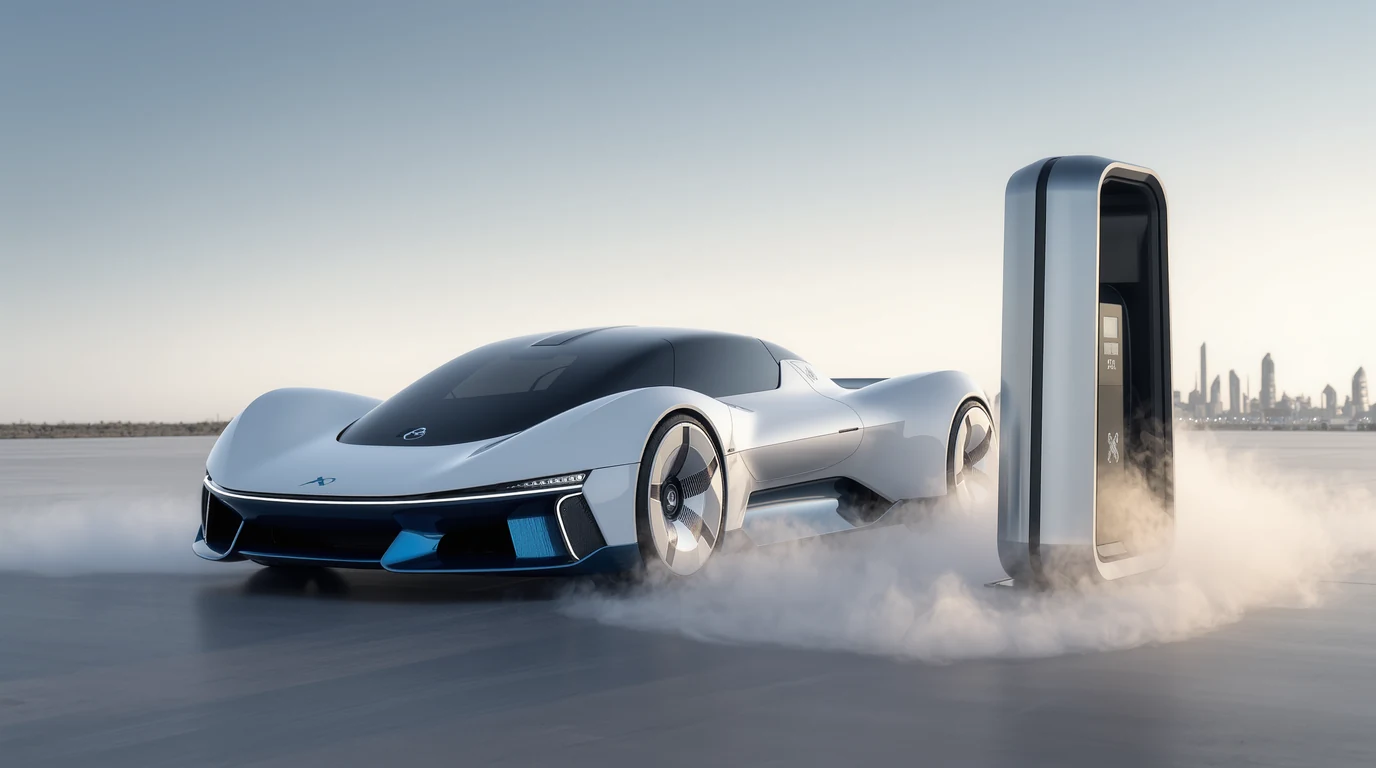
In recent years, hydrogen power has emerged as a promising alternative to traditional fossil fuels, capturing the attention of both industry leaders and environmental advocates. This shift is largely driven by the urgent need to address climate change and reduce greenhouse gas emissions. Hydrogen, as a clean energy source, offers a unique solution that can potentially revolutionize the way we think about energy consumption.
Unlike conventional fuels, hydrogen produces only water vapor when burned, making it an attractive option for a sustainable future. The rise of hydrogen power is not merely a trend; it represents a fundamental change in how we approach energy production and consumption. The technological advancements in hydrogen production, storage, and distribution have played a crucial role in its rise.
Innovations such as electrolysis, which uses electricity to split water into hydrogen and oxygen, have made it more feasible to produce hydrogen sustainably. Furthermore, the growing infrastructure for hydrogen refueling stations is making it increasingly accessible for consumers and businesses alike. As governments around the world set ambitious targets for carbon neutrality, the momentum behind hydrogen power continues to build, positioning it as a key player in the global energy landscape.
Key Takeaways
- Hydrogen power is on the rise as a clean and sustainable energy source.
- Celebrities are embracing hydrogen technology and promoting its benefits.
- The benefits of hydrogen power include zero emissions, energy efficiency, and versatility.
- Hydrogen-powered vehicles are gaining attention in the automotive industry.
- The environmental impact of hydrogen power is positive, with potential to reduce carbon emissions.
- Challenges and limitations of hydrogen technology include production costs and infrastructure development.
- Investment and innovation in hydrogen power are driving advancements in the industry.
- Public perception of hydrogen power is influenced by celebrity endorsements and consumer trends.
- Celebrities play a role in shaping consumer trends and promoting the adoption of hydrogen power.
- The future of hydrogen power in the entertainment industry looks promising, with potential for sustainable living solutions.
Celebrities Embracing Hydrogen Technology
As hydrogen technology gains traction, a number of celebrities have begun to champion its benefits, using their platforms to raise awareness and promote sustainable practices. High-profile figures from various industries, including film, music, and sports, are increasingly vocal about their commitment to eco-friendly initiatives. By endorsing hydrogen-powered vehicles and technologies, these celebrities are not only showcasing their personal values but also influencing public perception and consumer behavior.
For instance, renowned actors and musicians have been spotted driving hydrogen fuel cell vehicles, sharing their experiences on social media, and participating in events that highlight the importance of clean energy. Their involvement serves as a powerful endorsement for hydrogen technology, encouraging fans and followers to consider its potential. This celebrity influence extends beyond mere promotion; it fosters a cultural shift towards sustainability, making eco-conscious choices more mainstream and desirable.
Benefits of Hydrogen Power
The benefits of hydrogen power are manifold, making it an attractive alternative to traditional energy sources. One of the most significant advantages is its potential for zero-emission energy production. When hydrogen is used as a fuel, the only byproduct is water vapor, which means that it can significantly reduce air pollution and greenhouse gas emissions.
This characteristic aligns perfectly with global efforts to combat climate change and transition towards cleaner energy solutions. Moreover, hydrogen has a high energy density compared to other fuels, meaning it can store and deliver more energy per unit weight. This property makes it particularly appealing for transportation applications, where weight and efficiency are critical factors.
Additionally, hydrogen can be produced from various sources, including water, natural gas, and biomass, providing flexibility in terms of production methods. This versatility allows for the integration of renewable energy sources into the hydrogen production process, further enhancing its sustainability credentials.
Hydrogen-Powered Vehicles in the Spotlight
Hydrogen-powered vehicles are increasingly making headlines as automakers invest heavily in this technology. Major manufacturers are developing fuel cell electric vehicles (FCEVs) that utilize hydrogen as a clean fuel source.
As more models hit the market, consumers are beginning to take notice of the potential benefits of hydrogen-powered transportation. The spotlight on hydrogen vehicles is not limited to their technical specifications; it also encompasses their role in shaping the future of mobility. With cities around the world grappling with traffic congestion and air quality issues, hydrogen-powered vehicles present a viable solution that can help alleviate these challenges.
As public interest grows, so does the need for infrastructure development to support hydrogen refueling stations, paving the way for broader adoption of this innovative technology.
The Environmental Impact of Hydrogen Power
The environmental impact of hydrogen power is one of its most compelling selling points. As countries strive to meet their climate goals, transitioning to hydrogen as a primary energy source could significantly reduce reliance on fossil fuels. The production and use of hydrogen can lead to substantial decreases in carbon emissions, particularly when renewable energy sources are utilized in the production process.
This shift not only benefits the planet but also promotes cleaner air and healthier communities. Furthermore, hydrogen power has the potential to decarbonize sectors that are traditionally challenging to electrify, such as heavy industry and long-haul transportation. By providing a clean alternative for these sectors, hydrogen can play a crucial role in achieving comprehensive emissions reductions across the economy.
The environmental benefits extend beyond just carbon reduction; they also include decreased particulate matter and other pollutants that contribute to respiratory issues and other health problems.
Challenges and Limitations of Hydrogen Technology
Despite its many advantages, hydrogen technology faces several challenges that must be addressed for widespread adoption. One of the primary hurdles is the current cost of hydrogen production, which can be higher than that of fossil fuels or even electricity from renewable sources. While advancements in technology are expected to drive down costs over time, significant investment is still needed to make hydrogen competitive in the energy market.
Additionally, the infrastructure required for hydrogen distribution and refueling is still in its infancy. Many regions lack sufficient refueling stations, which can deter consumers from considering hydrogen-powered vehicles. Building this infrastructure requires substantial investment and coordination among various stakeholders, including governments, private companies, and local communities.
Overcoming these challenges will be essential for unlocking the full potential of hydrogen power.
Investment and Innovation in Hydrogen Power
Investment in hydrogen technology has surged in recent years as governments and private entities recognize its potential to transform the energy landscape. Public funding initiatives aimed at research and development are paving the way for innovative solutions that can enhance hydrogen production efficiency and reduce costs. Additionally, private companies are increasingly entering the market with new technologies that promise to revolutionize how we produce and utilize hydrogen.
This wave of investment is not limited to vehicle manufacturing; it extends to various sectors involved in hydrogen production and distribution. Startups focused on electrolysis technology, fuel cell development, and hydrogen storage solutions are emerging rapidly. As competition increases within this space, innovation is likely to accelerate, leading to breakthroughs that could further enhance the viability of hydrogen as a mainstream energy source.
Public Perception of Hydrogen Power
Public perception plays a crucial role in determining the success of any new technology, including hydrogen power. While awareness of hydrogen’s benefits is growing, misconceptions still exist regarding its safety and practicality. Some individuals associate hydrogen with explosive incidents from decades past or view it as an impractical solution compared to battery electric vehicles.
Addressing these misconceptions through education and outreach is essential for fostering acceptance among consumers. Efforts to improve public perception are already underway through campaigns highlighting successful case studies of hydrogen use in transportation and industry. Demonstrations showcasing the safety and efficiency of hydrogen technologies can help alleviate concerns while emphasizing their environmental benefits.
As more people become informed about the realities of hydrogen power, acceptance is likely to increase, paving the way for broader adoption.
The Role of Celebrities in Shaping Consumer Trends
Celebrities have long been influential figures in shaping consumer trends across various industries. Their endorsement can significantly impact public perception and drive interest in new technologies or products. In the case of hydrogen power, celebrities who advocate for sustainable practices can play a pivotal role in normalizing eco-friendly choices among their fans. Their influence extends beyond mere promotion; it creates a cultural narrative around sustainability that resonates with consumers seeking to align their values with their purchasing decisions. As more celebrities embrace hydrogen power, it may inspire others to follow suit, further amplifying its visibility in popular culture.
The Future of Hydrogen Power in the Entertainment Industry
The entertainment industry itself is beginning to explore how hydrogen power can be integrated into its operations. Film studios are investigating ways to utilize hydrogen fuel cells for powering equipment on set or even for transportation during productions. This shift not only aligns with sustainability goals but also sets an example for other industries by demonstrating practical applications of clean energy technology.
As awareness grows within Hollywood about climate change’s impact on global ecosystems, there is an increasing push for environmentally responsible practices across all facets of production, from set design to transportation logistics. By adopting hydrogen power solutions where feasible, the entertainment industry can lead by example while contributing positively toward reducing its carbon footprint.
How Hydrogen Power Could Influence Sustainable Living
The potential influence of hydrogen power on sustainable living extends far beyond transportation; it encompasses various aspects of daily life. As communities begin adopting hydrogen technologies, such as home heating systems or backup power solutions, individuals may find themselves more inclined toward eco-friendly practices overall. The integration of clean energy sources into everyday life fosters a culture that prioritizes sustainability.
Moreover, as awareness about climate change continues to grow globally, individuals may seek out products and services that align with their values, making choices that support renewable energy initiatives like those surrounding hydrogen power more appealing than ever before. Ultimately, embracing this innovative technology could catalyze broader shifts toward sustainable living practices across society at large. In conclusion, while challenges remain ahead for widespread adoption of hydrogen power technologies, from cost considerations to public perception, there is no denying its potential impact on our future energy landscape.
With continued investment in innovation coupled with celebrity advocacy helping shape consumer trends around sustainability efforts, hydrogen stands poised not just as an alternative fuel source but also as a catalyst for transformative change across multiple sectors including transportation & entertainment alike!
FAQs
What is hydrogen power?
Hydrogen power refers to the use of hydrogen as a fuel source for generating electricity or powering vehicles. It is considered a clean and renewable energy source because when hydrogen is used in a fuel cell or combustion engine, the only byproduct is water.How is hydrogen power used in vehicles?
Hydrogen power can be used in vehicles through fuel cell technology, where hydrogen gas is combined with oxygen from the air to produce electricity, powering the vehicle’s electric motor. This process produces only water vapor as a byproduct, making it a clean alternative to traditional gasoline-powered vehicles.Is hydrogen power a celebrity trend?
Hydrogen power is gaining attention from celebrities and influencers due to its potential to reduce carbon emissions and promote sustainability. Celebrities are using their platforms to promote hydrogen-powered vehicles and infrastructure, bringing attention to the technology and its benefits.What are the benefits of hydrogen power?
Hydrogen power offers several benefits, including zero emissions when used in fuel cells, fast refueling times for hydrogen-powered vehicles, and the potential to reduce dependence on fossil fuels. It also has the potential to be produced from renewable sources, such as wind or solar power.What are the challenges of hydrogen power?
Challenges of hydrogen power include the high cost of production and infrastructure development, as well as the need for advancements in hydrogen storage and distribution. Additionally, the majority of hydrogen is currently produced from natural gas, which raises concerns about carbon emissions from the production process.More in
More from Blog

Blog · 27 min
The Future of Hypercars: Electrification, Autonomy, and the Next Performance Frontier
The future of hypercars: how electrification, solid-state batteries, hybrid V16 powertrains, 3D printing, active aero, autonomy and eFuels redefine pe…

Blog · 29 min
Hypercar Maintenance Guide: The True Cost of Keeping an Automotive Masterpiece on the Road
Hypercar maintenance guide: real annual service costs from Bugatti and Koenigsegg to Pagani and Rimac, plus tire, brake and resale-value insights for …

Blog · 24 min
Hypercar Events Worldwide: The Ultimate Calendar for Collectors and Enthusiasts
Hypercar events worldwide: a collector’s calendar from Monterey Car Week and Goodwood to Villa d’Este, Top Marques Monaco, elite rallies a…