Blog · Blog
The Hypercar Dilemma: Value Over Time
The term “hypercar” has emerged as a classification for the most elite and high-performing vehicles in the automotive world. While there is no universally accepted defi…
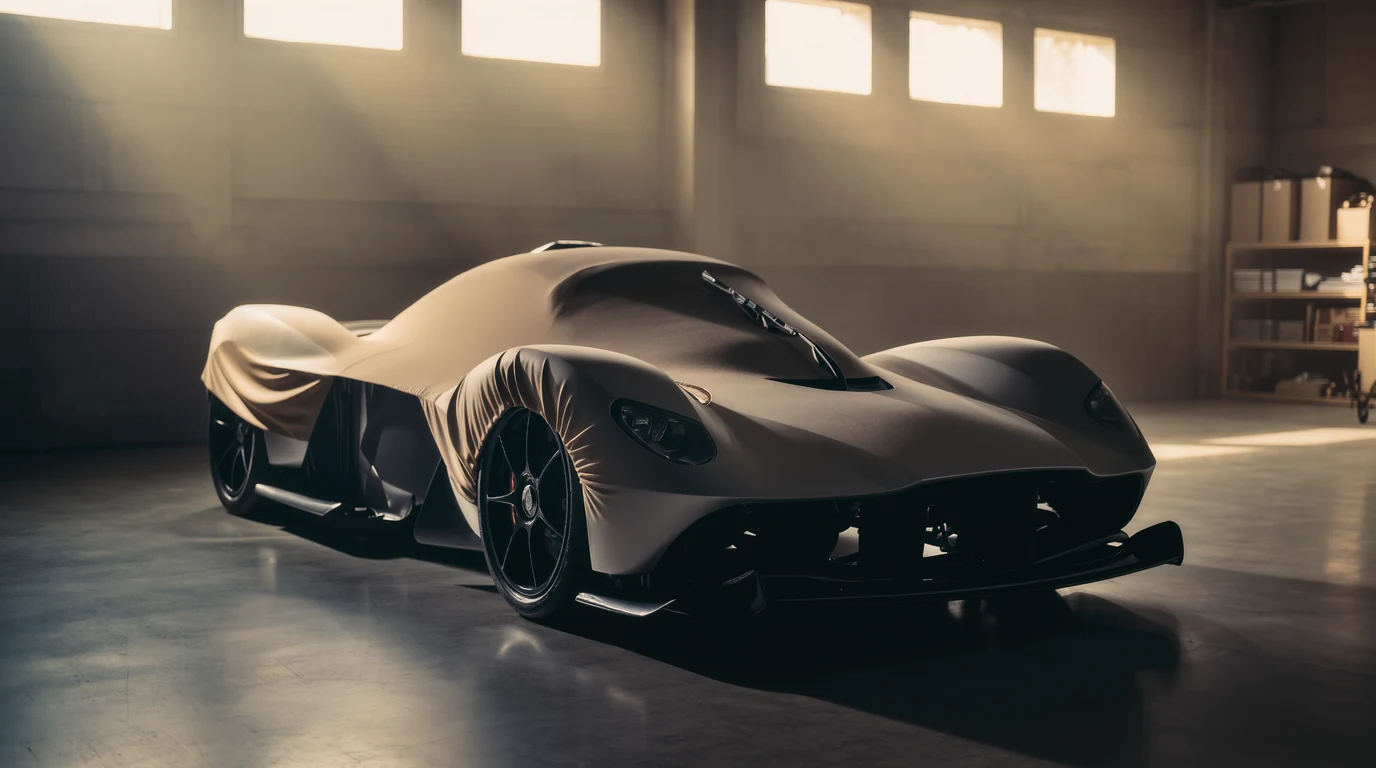
The term “hypercar” has emerged as a classification for the most elite and high-performing vehicles in the automotive world. While there is no universally accepted definition, hypercars are generally recognized as the pinnacle of automotive engineering, combining extreme performance, cutting-edge technology, and luxurious design. These vehicles often boast staggering horsepower figures, advanced aerodynamics, and innovative materials that push the boundaries of what is possible in automotive design.
Hypercars are not merely fast; they represent a fusion of art and science, where every detail is meticulously crafted to enhance both performance and aesthetics. Hypercars typically feature hybrid or fully electric powertrains, showcasing the industry’s shift towards sustainability without compromising on speed or power. Brands like Bugatti, McLaren, Ferrari, and Koenigsegg have set the standard for hypercars, each introducing models that redefine speed and performance benchmarks.
The allure of hypercars lies not only in their technical specifications but also in their exclusivity and the lifestyle they embody. Owning a hypercar is often seen as a status symbol, representing wealth, taste, and a passion for automotive excellence.
Key Takeaways
- A hypercar is a high-performance, limited-production car that pushes the boundaries of technology and design.
- The initial cost of a hypercar can range from hundreds of thousands to millions of dollars, making them exclusive and sought after by collectors.
- Hypercars typically experience high depreciation rates, losing a significant portion of their value within the first few years of ownership.
- Maintenance and repair costs for hypercars can be exorbitant due to their advanced technology and limited availability of parts.
- Limited production and rarity contribute to the collectibility and historical significance of hypercars, making them highly desirable among enthusiasts and investors.
The Initial Cost of a Hypercar
The initial cost of acquiring a hypercar is one of the most significant barriers to entry for enthusiasts and collectors alike. Prices for these extraordinary machines can range from several hundred thousand to several million dollars, depending on the brand, model, and features. For instance, models like the Bugatti Chiron can command prices upwards of $3 million, while limited-edition variants from manufacturers like Pagani or Lamborghini can exceed that figure significantly.
This high price tag reflects not only the advanced technology and materials used in their construction but also the exclusivity that comes with owning such a rare vehicle. Moreover, the initial cost is often just the beginning of the financial commitment required to own a hypercar. Buyers must also consider additional expenses such as taxes, registration fees, and insurance premiums, which can be exorbitantly high due to the vehicle’s value.
For many, purchasing a hypercar is not merely a transaction; it is an investment in a lifestyle that demands both financial resources and a deep appreciation for automotive artistry.
Depreciation Rates of Hypercars
Unlike standard luxury vehicles that typically experience significant depreciation within the first few years of ownership, hypercars often exhibit unique depreciation patterns. While it is true that most cars lose value over time, many hypercars tend to hold their value exceptionally well or even appreciate in worth. This phenomenon can be attributed to their limited production runs and the high demand among collectors and enthusiasts.
For instance, certain models from brands like Ferrari or McLaren have been known to appreciate significantly after their initial release, making them not just vehicles but valuable assets. However, it is essential to note that not all hypercars are created equal when it comes to depreciation. Factors such as brand reputation, rarity, and historical significance play crucial roles in determining how well a specific model retains its value.
Limited-edition models or those with unique features often see less depreciation compared to more common variants. As such, potential buyers should conduct thorough research and consider market trends before making a purchase to ensure they are investing wisely.
Maintenance and Repair Costs
Owning a hypercar comes with its own set of challenges, particularly when it comes to maintenance and repair costs. These vehicles are engineered with precision and require specialized care to maintain their performance and aesthetics. Routine maintenance can be significantly more expensive than that of standard vehicles due to the high-quality materials used in their construction and the advanced technology they incorporate.
For example, replacing tires on a hypercar can cost thousands of dollars, while routine servicing may require specialized technicians who are trained specifically for these high-performance machines. In addition to regular maintenance, repairs can also be costly due to the complexity of hypercar systems. Many hypercars utilize bespoke components that are not readily available in the aftermarket, meaning that repairs often require sourcing parts directly from the manufacturer.
Limited Production and Rarity
One of the defining characteristics of hypercars is their limited production runs, which contribute significantly to their allure and desirability. Manufacturers often produce only a handful of units for each model, creating an air of exclusivity that appeals to collectors and enthusiasts alike. This rarity not only enhances the vehicle’s status but also plays a crucial role in its long-term value retention.
As demand continues to outpace supply for many hypercar models, owning one becomes akin to possessing a piece of automotive history. The limited production also fosters a sense of community among owners. Hypercar owners often participate in exclusive events, track days, and gatherings where they can showcase their vehicles and connect with fellow enthusiasts.
This camaraderie adds another layer to the hypercar lifestyle, as owners share experiences and stories about their prized possessions. The rarity of these vehicles ensures that they remain coveted items within the automotive world.
Collectibility and Historical Significance
Hypercars are not just vehicles; they are often seen as works of art with historical significance. Many models have become iconic representations of their respective brands and eras in automotive history. For instance, the McLaren F1 is celebrated not only for its groundbreaking performance but also for its influence on subsequent hypercar designs.
Collectors often seek out these historical models as they represent milestones in engineering and design evolution. The collectibility of hypercars is further enhanced by their association with motorsport achievements or technological innovations. Models that have achieved notable success on racetracks or have introduced groundbreaking technologies tend to attract more attention from collectors.
As time passes, these vehicles become even more sought after as they embody a legacy that transcends mere transportation.
Performance and Technology Advancements
Hypercars are at the forefront of automotive performance and technology advancements. Manufacturers invest heavily in research and development to create vehicles that push the limits of speed, handling, and efficiency. Many hypercars feature hybrid powertrains that combine traditional internal combustion engines with electric motors, resulting in astonishing acceleration and reduced emissions.
This blend of power sources allows manufacturers to create vehicles that are not only fast but also more environmentally friendly than their predecessors. Additionally, hypercars often incorporate cutting-edge technologies such as active aerodynamics, advanced suspension systems, and lightweight materials like carbon fiber and titanium. These innovations contribute to superior handling characteristics and overall performance that set hypercars apart from conventional supercars.
As technology continues to evolve, so too will the capabilities of hypercars, ensuring that they remain at the pinnacle of automotive engineering.
Environmental Impact and Sustainability
As concerns about climate change and environmental sustainability grow, the automotive industry faces increasing pressure to adapt its practices. Hypercar manufacturers are responding by exploring more sustainable technologies without sacrificing performance. Many modern hypercars now feature hybrid or fully electric powertrains designed to reduce carbon emissions while still delivering exhilarating speed and power.
This shift towards sustainability is not just about compliance; it reflects a broader trend within the luxury automotive market where consumers are becoming more environmentally conscious. Brands are investing in research to develop cleaner technologies while maintaining the performance standards expected from hypercars. This evolution signifies a commitment to balancing high-performance engineering with environmental responsibility.
Investment Potential
For many enthusiasts, purchasing a hypercar is not solely about enjoying an extraordinary driving experience; it is also viewed as an investment opportunity. Given their limited production runs and historical significance, certain models have shown remarkable appreciation over time. Collectors often see hypercars as tangible assets that can yield significant returns if chosen wisely.
However, investing in hypercars requires careful consideration of market trends and brand reputation. Not all models will appreciate equally; thus, potential investors must conduct thorough research into which vehicles are likely to hold or increase their value over time. Engaging with experts in the field can provide valuable insights into which models are worth pursuing as investment opportunities.
Resale Value and Market Trends
The resale value of hypercars can vary significantly based on several factors including brand reputation, model rarity, condition, and market demand at the time of sale. While some models may depreciate slightly after purchase, many retain their value exceptionally well or even appreciate over time due to their exclusivity and desirability among collectors. Market trends play a crucial role in determining resale values as well.
Economic conditions, shifts in consumer preferences towards electric vehicles, or changes in regulations can all impact demand for specific models. Keeping abreast of these trends is essential for anyone considering buying or selling a hypercar.
Balancing Value and Enjoyment
Ultimately, owning a hypercar is about finding a balance between value retention and personal enjoyment. While many buyers view these vehicles as investments, it is essential not to lose sight of the joy they bring when driven on open roads or racetracks. The thrill of experiencing unparalleled performance combined with exquisite design is what draws many enthusiasts into this exclusive world.
For those fortunate enough to own a hypercar, it becomes more than just a vehicle; it transforms into an extension of their identity, a symbol of passion for automotive excellence. Striking this balance between appreciating the investment potential while reveling in the sheer joy of driving is what makes the hypercar lifestyle truly unique and fulfilling. In conclusion, the world of hypercars encompasses much more than just speed; it represents an intricate tapestry woven from engineering marvels, exclusivity, community engagement, environmental considerations, and investment potential.
As technology continues to evolve and consumer preferences shift towards sustainability without sacrificing performance, the allure of hypercars will undoubtedly endure for generations to come.
FAQs
What is a hypercar?
A hypercar is a high-performance sports car that is designed for extreme speed and power. These cars are often limited in production and come with a high price tag.Do hypercars gain value over time?
In general, hypercars tend to hold their value well and can even appreciate over time, especially if they are limited edition models or have a significant historical or cultural significance.What factors can cause a hypercar to lose value?
Factors that can cause a hypercar to lose value over time include high mileage, lack of maintenance, accidents or damage, changes in market demand, and the introduction of newer, more advanced models.How can I maintain or increase the value of my hypercar?
To maintain or increase the value of a hypercar, it is important to keep it well-maintained, store it properly, and keep the mileage low. Additionally, having a complete service history and original documentation can also help maintain its value.More in
More from Blog
Blog · 27 min
The Future of Hypercars: Electrification, Autonomy, and the Next Performance Frontier
The future of hypercars: how electrification, solid-state batteries, hybrid V16 powertrains, 3D printing, active aero, autonomy and eFuels redefine pe…
Blog · 29 min
Hypercar Maintenance Guide: The True Cost of Keeping an Automotive Masterpiece on the Road
Hypercar maintenance guide: real annual service costs from Bugatti and Koenigsegg to Pagani and Rimac, plus tire, brake and resale-value insights for …

Blog · 24 min
Hypercar Events Worldwide: The Ultimate Calendar for Collectors and Enthusiasts
Hypercar events worldwide: a collector’s calendar from Monterey Car Week and Goodwood to Villa d’Este, Top Marques Monaco, elite rallies a…