Blog · Blog
The Investment Value of Hypercars vs. Gold
In the realm of luxury investments, hypercars and gold stand out as two distinct yet captivating options. Hypercars, the pinnacle of automotive engineering, represent not just a mo…
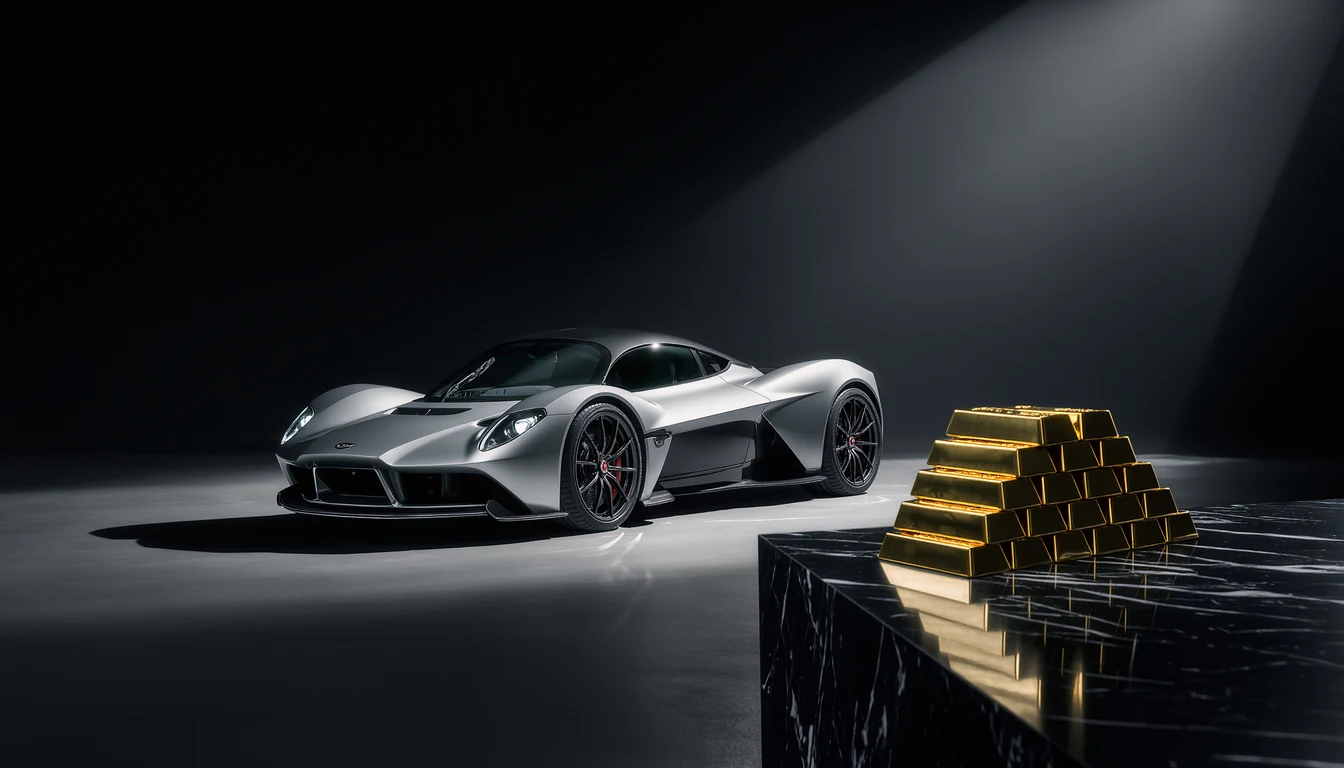
In the realm of luxury investments, hypercars and gold stand out as two distinct yet captivating options. Hypercars, the pinnacle of automotive engineering, represent not just a mode of transportation but a statement of wealth, innovation, and exclusivity. These vehicles, often produced in limited quantities by prestigious manufacturers, are designed for performance and aesthetics, making them highly sought after by collectors and enthusiasts alike.
On the other hand, gold has been a symbol of wealth and a reliable store of value for centuries. Its intrinsic properties, coupled with its historical significance, make it a staple in the investment portfolios of many. Investing in hypercars offers a unique blend of passion and potential profit.
Unlike traditional investments, hypercars can provide both enjoyment and financial returns, appealing to those who appreciate the art of engineering as much as the prospect of capital appreciation. Conversely, gold remains a timeless asset that has weathered economic storms and geopolitical uncertainties. As investors seek to diversify their portfolios, understanding the nuances of these two investment avenues becomes crucial in making informed decisions.
Key Takeaways
- Hypercars and gold are both considered alternative investments with potential for high returns.
- Historical performance shows that hypercars have outperformed gold in terms of investment value.
- Factors such as rarity, brand, and historical significance affect the investment value of hypercars, while factors like inflation and geopolitical events affect the value of gold.
- Hypercars are less liquid than gold, as they require finding a buyer with the financial means and interest in purchasing such a high-value item.
- Maintenance and storage costs for hypercars are significantly higher than for gold, which can impact the overall investment return.
Historical Performance of Hypercars and Gold as Investments
The historical performance of hypercars as an investment class is relatively nascent compared to gold, which has been traded for thousands of years. However, in recent decades, certain hypercars have demonstrated remarkable appreciation in value. Models like the Ferrari F40 or the McLaren F1 have seen their prices soar well beyond their original retail values, driven by factors such as rarity, brand prestige, and the emotional connection enthusiasts have with these machines.
The hypercar market has evolved into a niche segment where collectors are willing to pay exorbitant sums for vehicles that embody cutting-edge technology and design. In contrast, gold has consistently proven its worth as a hedge against inflation and economic downturns. Historical data shows that during times of financial instability, gold prices tend to rise as investors flock to its perceived safety.
Over the long term, gold has maintained its purchasing power, making it a reliable store of value. While hypercars can yield impressive returns, they are subject to market fluctuations and trends that can be unpredictable. Gold’s historical performance provides a more stable foundation for investors seeking security in their portfolios.
Factors Affecting the Investment Value of Hypercars and Gold
Several factors influence the investment value of hypercars and gold, each with its own set of dynamics. For hypercars, rarity is paramount; limited production runs create exclusivity that drives demand among collectors. The brand’s reputation also plays a significant role; manufacturers like Bugatti or Pagani command higher prices due to their storied histories and commitment to excellence.
Additionally, the condition of the vehicle, its mileage, and provenance, such as previous ownership by a celebrity, can significantly impact its market value. Gold’s investment value is influenced by different factors, including global economic conditions, interest rates, and currency fluctuations. When inflation rises or geopolitical tensions escalate, demand for gold typically increases as investors seek refuge from market volatility.
Furthermore, central banks’ policies regarding gold reserves can also affect its price. Unlike hypercars, which are subject to trends in consumer preferences and automotive technology advancements, gold’s value is more closely tied to macroeconomic indicators and investor sentiment.
Liquidity is a critical consideration for any investment, as it determines how easily an asset can be converted into cash without significantly affecting its price. In this regard, gold holds a distinct advantage over hypercars. Gold is one of the most liquid assets available; it can be bought or sold quickly through various channels, including exchanges, dealers, and online platforms.
Its universal acceptance and standardized pricing make it easy for investors to enter or exit positions with minimal friction. Hypercars, while valuable, do not enjoy the same level of liquidity. The market for these vehicles is more niche and can be influenced by specific buyer preferences and market conditions.
Selling a hypercar often requires finding the right buyer who appreciates its unique qualities and is willing to pay a premium price. This process can take time and may involve significant negotiation. As such, while hypercars can appreciate in value dramatically, their liquidity can be a limiting factor for investors who may need quick access to cash.
When considering investments in hypercars versus gold, maintenance and storage costs are essential factors that can impact overall returns. Hypercars require meticulous care and upkeep to maintain their performance and aesthetic appeal. This includes regular servicing by specialized technicians, insurance premiums that can be exorbitant due to the vehicle’s value, and storage costs if the owner opts for climate-controlled facilities to protect against environmental damage.
These ongoing expenses can significantly erode potential profits if not carefully managed. In contrast, gold requires minimal maintenance once purchased. It does not deteriorate or require servicing like a hypercar does; however, it does necessitate secure storage to prevent theft or loss.
Many investors choose to store gold in safe deposit boxes or with specialized vaulting services that charge fees based on the amount stored. While these costs exist, they are generally lower than the ongoing expenses associated with maintaining a hypercar. Therefore, when evaluating long-term investment strategies, potential investors must weigh these costs against expected returns.
Market Trends and Demand for Hypercars and Gold
Market trends play a pivotal role in shaping the demand for both hypercars and gold as investment vehicles. The hypercar market has seen explosive growth in recent years, driven by technological advancements in automotive engineering and an increasing number of affluent buyers seeking unique experiences. The rise of social media has also amplified interest in hypercars; platforms like Instagram showcase stunning visuals that fuel desire among enthusiasts and collectors alike.
As more manufacturers enter the hypercar space with innovative designs and limited editions, demand continues to surge. Conversely, gold remains a steadfast investment choice during uncertain economic times. Recent trends indicate that as inflation fears rise and stock market volatility persists, more investors are turning to gold as a safe haven asset.
The demand for physical gold, whether in bars or coins, has seen an uptick as individuals seek tangible assets that can provide security against economic instability. Additionally, central banks around the world have been increasing their gold reserves, further bolstering demand in the global market.
Investing in hypercars carries inherent risks that differ significantly from those associated with gold investments. The hypercar market can be volatile; prices may fluctuate based on trends in consumer preferences or economic conditions affecting luxury spending. Additionally, external factors such as changes in regulations regarding emissions or safety standards can impact the desirability of certain models.
While some hypercars appreciate over time, others may depreciate rapidly if they fail to capture buyer interest or if newer models overshadow them. Gold investments tend to exhibit lower volatility compared to hypercars. While gold prices can fluctuate based on market conditions, such as changes in interest rates or geopolitical events, its historical performance shows resilience during economic downturns.
Investors often view gold as a stabilizing force within their portfolios, providing a counterbalance to riskier assets like stocks or real estate. However, it is essential to recognize that no investment is entirely without risk; understanding these dynamics is crucial for making informed decisions.
When considering long-term potential, both hypercars and gold offer unique advantages but cater to different investor profiles. Hypercars have shown remarkable appreciation potential for select models over time; however, this appreciation is often tied to specific brands or limited editions that capture collector interest.
Gold’s long-term potential lies in its historical stability as a store of value. It has consistently maintained its purchasing power over centuries and serves as an effective hedge against inflation and currency devaluation. For investors seeking security and reliability in their portfolios, gold remains an attractive option with proven resilience during economic fluctuations.
Ultimately, the choice between hypercars and gold will depend on individual investment goals, whether one seeks passion-driven investments or stable assets that provide peace of mind.
Tax implications are an essential consideration when investing in both hypercars and gold. In many jurisdictions, profits from selling hypercars may be subject to capital gains tax if they appreciate in value over time. Additionally, depending on local laws regarding luxury items or collectibles, there may be specific tax regulations that apply when purchasing or selling these vehicles.
Investors must be aware of these potential liabilities when calculating their overall returns. Gold investments also come with tax considerations; however, they may differ based on how the gold is held, whether as physical bullion or through exchange-traded funds (ETFs). In some countries, physical gold may be subject to sales tax upon purchase but could be exempt from capital gains tax if held for a certain period before selling.
Understanding these nuances is crucial for investors looking to maximize their returns while minimizing tax liabilities.
Diversification Benefits of Including Hypercars and Gold in an Investment Portfolio
Diversification is a fundamental principle of investing that aims to reduce risk by spreading investments across various asset classes. Including both hypercars and gold in an investment portfolio can provide unique diversification benefits due to their differing characteristics and market behaviors. Hypercars offer exposure to the luxury goods market while potentially yielding high returns through appreciation; they also appeal to investors who have a passion for automobiles.
Gold serves as a stabilizing asset within a portfolio; its historical performance during economic downturns makes it an effective hedge against volatility in other investments such as stocks or real estate. By combining hypercars with gold, investors can create a balanced portfolio that captures both growth potential from luxury assets while maintaining stability through precious metals. This strategic approach allows investors to navigate market fluctuations more effectively while pursuing their financial goals.
Choosing Between Hypercars and Gold as Investments
In conclusion, choosing between hypercars and gold as investments ultimately depends on individual preferences, risk tolerance, and investment objectives. Hypercars offer an exhilarating blend of passion and potential profit but come with unique challenges related to liquidity, maintenance costs, and market volatility. For those who appreciate automotive artistry and are willing to navigate these complexities, investing in hypercars can be rewarding both financially and personally. Its liquidity and minimal maintenance requirements make it an attractive option for investors seeking security within their portfolios. Ultimately, whether one opts for the thrill of hypercar investments or the steadfastness of gold will depend on personal values and financial aspirations, both avenues present opportunities for growth but cater to different investor profiles within the ever-evolving landscape of luxury investments.
FAQs
What is a hypercar?
A hypercar is a high-performance sports car that is designed for extreme speed, power, and aerodynamics. These cars are often limited in production and come with a high price tag.Why are some hypercars considered better investments than gold?
Some hypercars are considered better investments than gold because they have the potential to appreciate in value over time. Limited production runs, iconic status, and high demand from collectors can drive up the value of certain hypercars, making them a potentially lucrative investment.What factors contribute to a hypercar’s investment potential?
Factors that contribute to a hypercar’s investment potential include rarity, historical significance, performance capabilities, and desirability among collectors. Limited production numbers, racing pedigree, and unique design features can also increase a hypercar’s investment appeal.How do hypercars compare to traditional investments like gold?
Hypercars are often seen as alternative investments to traditional assets like gold. While gold is a tangible asset that has historically retained value over time, hypercars offer the potential for higher returns and the added benefit of being a collectible item with a strong enthusiast following.What are some examples of hypercars that have proven to be good investments?
Examples of hypercars that have proven to be good investments include the Ferrari LaFerrari, McLaren P1, Porsche 918 Spyder, and Bugatti Veyron. These cars have seen significant appreciation in value since their initial release due to their limited production numbers and high demand from collectors.More in
More from Blog

Blog · 27 min
The Future of Hypercars: Electrification, Autonomy, and the Next Performance Frontier
The future of hypercars: how electrification, solid-state batteries, hybrid V16 powertrains, 3D printing, active aero, autonomy and eFuels redefine pe…
Blog · 29 min
Hypercar Maintenance Guide: The True Cost of Keeping an Automotive Masterpiece on the Road
Hypercar maintenance guide: real annual service costs from Bugatti and Koenigsegg to Pagani and Rimac, plus tire, brake and resale-value insights for …

Blog · 24 min
Hypercar Events Worldwide: The Ultimate Calendar for Collectors and Enthusiasts
Hypercar events worldwide: a collector’s calendar from Monterey Car Week and Goodwood to Villa d’Este, Top Marques Monaco, elite rallies a…