Blog · Blog
The Most Famous Hypercars in Pop Culture
Hypercars have transcended their original purpose of high-performance vehicles to become cultural icons that resonate deeply within the realms of pop culture. These extraordinary m…
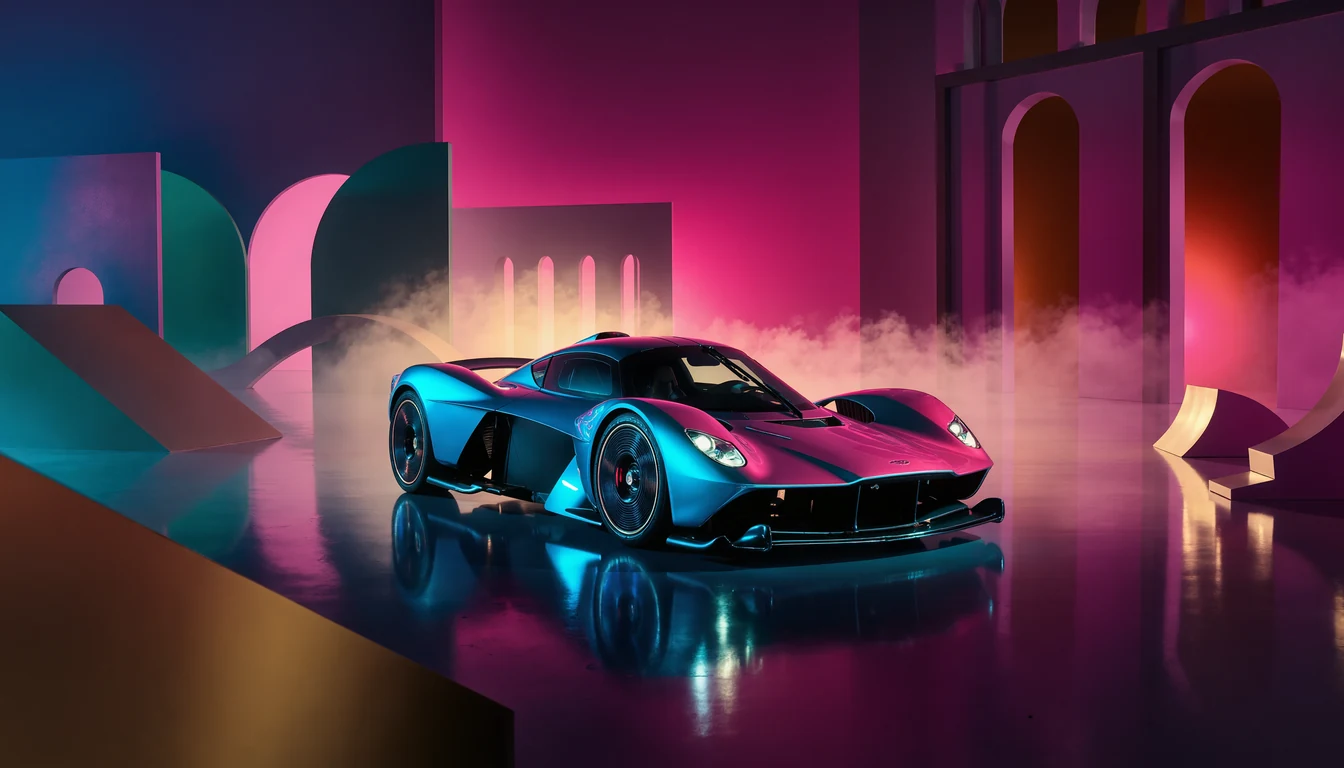
Hypercars have transcended their original purpose of high-performance vehicles to become cultural icons that resonate deeply within the realms of pop culture. These extraordinary machines, characterized by their unparalleled speed, cutting-edge technology, and striking designs, have captured the imagination of enthusiasts and casual observers alike. The allure of hypercars extends beyond their engineering marvels; they symbolize a lifestyle of luxury, exclusivity, and innovation.
As they weave their way into various facets of entertainment, hypercars have become synonymous with aspiration and prestige, making them a staple in the modern narrative of success. The fascination with hypercars is not merely about their specifications or performance metrics; it is about the lifestyle they represent. Owning a hypercar is often seen as a culmination of hard work and achievement, a tangible representation of one’s status in society.
This perception has been amplified by their frequent appearances in movies, television shows, music videos, and even video games, where they are often portrayed as the ultimate accessory for the affluent and adventurous. As hypercars continue to evolve, so too does their role in shaping cultural narratives, influencing trends, and inspiring future generations.
Key Takeaways
- Hypercars have become iconic symbols of luxury and speed in pop culture, capturing the imagination of enthusiasts and casual fans alike.
- Hypercars play a significant role in movies and TV shows, often serving as the ultimate expression of wealth and power for characters.
- Video games have embraced hypercars as a staple, allowing players to experience the thrill of driving these high-performance vehicles in virtual worlds.
- Iconic hypercars frequently make appearances in music videos, adding an element of extravagance and opulence to the visual storytelling.
- Hypercars have become status symbols in celebrity culture, with many high-profile individuals showcasing their wealth and success through their impressive car collections.
The Role of Hypercars in Movies and TV Shows
Hypercars have long been a staple in the cinematic world, often serving as more than just vehicles; they are characters in their own right. Films like “The Fast and the Furious” franchise have elevated hypercars to legendary status, showcasing them in high-octane chase scenes that captivate audiences. The sleek lines and roaring engines of these machines create an adrenaline-fueled atmosphere that enhances the storytelling experience.
In these narratives, hypercars often symbolize freedom, rebellion, and the thrill of living life on the edge, resonating with viewers who dream of adventure and excitement. Television shows have also embraced hypercars, using them to enhance character development and plotlines. In series like “Top Gear” and “The Grand Tour,” hypercars are not just showcased for their speed but are also explored for their engineering brilliance and design aesthetics.
These programs delve into the nuances of what makes each hypercar unique, allowing viewers to appreciate the craftsmanship behind these automotive masterpieces. The presence of hypercars in both film and television has solidified their status as cultural icons, representing not just wealth but also a passion for innovation and performance.
The Influence of Hypercars in Video Games
The world of video games has embraced hypercars with open arms, integrating them into gameplay mechanics that allow players to experience the thrill of driving these extraordinary machines. Titles like “Forza Horizon” and “Need for Speed” have made hypercars central to their narratives, offering players the chance to race against friends or explore vast open worlds behind the wheel of some of the most coveted vehicles on the planet. The attention to detail in these games often mirrors real-life specifications, providing an immersive experience that appeals to car enthusiasts and gamers alike. Players can customize their vehicles, pushing the boundaries of performance and aesthetics in ways that may not be possible in real life. This virtual representation allows fans to engage with hypercars on a personal level, fostering a deeper appreciation for automotive engineering and design.
As gaming technology continues to advance, the portrayal of hypercars is likely to become even more realistic, further solidifying their place in pop culture.
Iconic Hypercars in Music Videos
Music videos have long been a canvas for artists to express their creativity, and hypercars often play a pivotal role in this visual storytelling. From hip-hop to pop, these vehicles are frequently featured as symbols of success and luxury. Artists like Jay-Z and Travis Scott have showcased hypercars in their videos, using them as metaphors for wealth and status while simultaneously appealing to their audience’s aspirations.
The sleek designs and powerful engines of these cars complement the high-energy beats and lavish lifestyles depicted in the music. As artists seek to connect with their audience through relatable imagery, hypercars serve as aspirational symbols that resonate with fans who dream of achieving similar success.
The fusion of music and automotive culture creates a dynamic interplay that enhances both art forms, allowing viewers to experience the thrill of hypercars while enjoying their favorite songs. This synergy has solidified hypercars as essential elements in the visual language of contemporary music.
Hypercars as Status Symbols in Celebrity Culture
In celebrity culture, hypercars have become synonymous with status and prestige. The rich and famous often showcase their collections of hypercars on social media platforms like Instagram, where images of these stunning vehicles garner significant attention and admiration from fans. Celebrities such as Cristiano Ronaldo and Kim Kardashian have been known to flaunt their impressive automotive collections, reinforcing the idea that owning a hypercar is not just about performance but also about social standing.
This phenomenon has created a culture where hypercars are viewed as essential accessories for those who wish to project an image of success. The exclusivity associated with owning a hypercar, often limited in production numbers, adds to its allure, making it a coveted item among affluent individuals. As celebrities continue to embrace hypercars as part of their public personas, they contribute to a narrative that intertwines luxury automobiles with fame, fortune, and lifestyle aspirations.
Hypercars in Advertising and Product Placement
Hypercars have found a prominent place in advertising campaigns and product placements across various industries. Brands recognize the aspirational qualities associated with these vehicles and leverage their appeal to enhance their marketing strategies. Luxury goods companies often feature hypercars alongside their products to evoke feelings of exclusivity and sophistication.
The mere presence of a hypercar can elevate a brand’s image, associating it with high performance and cutting-edge design. Product placement in films and television shows has also capitalized on the allure of hypercars. By strategically incorporating these vehicles into storylines or scenes, brands can reach audiences in a way that feels organic rather than forced.
This approach not only enhances the viewing experience but also reinforces the idea that hypercars are integral to a luxurious lifestyle. As advertising continues to evolve, the partnership between brands and hypercars is likely to grow stronger, creating new opportunities for collaboration.
Hypercars as Collectibles and Memorabilia
The world of collectibles has embraced hypercars with fervor, turning them into sought-after items for enthusiasts and investors alike. Limited-edition models from manufacturers like Bugatti, McLaren, and Ferrari often appreciate significantly over time, making them attractive investments for collectors. The rarity and craftsmanship associated with these vehicles contribute to their desirability, creating a market where passionate individuals are willing to pay exorbitant prices for ownership.
Collecting hypercar memorabilia extends beyond just owning the cars themselves; it encompasses a wide range of items such as scale models, artwork, apparel, and even signed documents from manufacturers or designers. This culture fosters a sense of community among collectors who share a passion for automotive excellence. Events like car shows or auctions provide opportunities for enthusiasts to connect, share stories, and celebrate their love for hypercars while contributing to the growing legacy surrounding these remarkable machines.
Hypercars in Literature and Art
Hypercars have also made their mark in literature and art, serving as symbols of innovation and human achievement. Authors often use hypercars as metaphors for ambition or freedom in their narratives, exploring themes related to speed, power, and desire. Novels that feature hypercars can evoke a sense of adventure while delving into the complexities of human relationships against the backdrop of high-performance vehicles.
In the realm of visual arts, hypercars inspire artists who seek to capture their beauty through various mediums. Paintings, sculptures, and photography often highlight the intricate designs and engineering marvels behind these machines. Artists may use hypercars as subjects to explore broader themes such as consumerism or technological advancement while celebrating the artistry involved in automotive design.
This intersection between hypercars and art enriches both fields, allowing for creative expression that resonates with audiences on multiple levels.
The Evolution of Hypercars in Pop Culture
The evolution of hypercars within pop culture reflects broader societal changes over time. Initially viewed primarily as symbols of wealth among elite circles, hypercars have gradually become more accessible through media exposure and technological advancements. As automotive technology has progressed, so too has public interest in these vehicles; they are no longer just toys for the rich but are celebrated for their engineering prowess and design aesthetics.
Moreover, the narrative surrounding hypercars has shifted from mere speed demons to vehicles that embody sustainability through hybrid or electric technologies. This evolution aligns with growing environmental consciousness among consumers who seek performance without compromising ecological responsibility. As pop culture continues to adapt to changing values, hypercars will likely play an integral role in shaping conversations around innovation, sustainability, and luxury.
Controversies and Criticisms Surrounding Hypercars in Pop Culture
Despite their glamorous portrayal in pop culture, hypercars are not without controversy. Critics argue that they represent excess and contribute to environmental degradation due to their high fuel consumption and carbon emissions. The juxtaposition between luxury lifestyles associated with hypercar ownership and pressing global issues such as climate change raises ethical questions about consumerism’s impact on society.
Additionally, some view the glorification of speed through media portrayals as potentially dangerous behavior that could influence impressionable audiences. High-speed chases depicted in films or video games may inadvertently encourage reckless driving among fans who idolize these vehicles without understanding the risks involved. As discussions around responsible consumption grow louder within society at large, it is essential for pop culture creators to navigate these complexities thoughtfully while continuing to celebrate automotive excellence.
The Future of Hypercars in Pop Culture
Looking ahead, the future of hypercars in pop culture appears bright yet complex. As technology continues to advance rapidly, particularly with electric vehicles, hypercar manufacturers are likely to adapt by producing models that prioritize sustainability without sacrificing performance or design aesthetics. This shift could redefine what it means to be a hypercar owner while appealing to environmentally conscious consumers who still desire luxury experiences.
Furthermore, as digital media evolves further into virtual reality (VR) experiences or augmented reality (AR) applications within gaming environments or social platforms, hypercar interactions may become even more immersive than ever before, allowing fans unprecedented access into this world beyond traditional boundaries set by physical ownership alone. In conclusion, hypercars have firmly established themselves as cultural icons within pop culture across various mediums, from film and television through music videos down into literature & art, while simultaneously evolving alongside societal values surrounding sustainability & responsible consumption practices moving forward into an uncertain yet exciting future ahead!
FAQs
What are hypercars?
Hypercars are a category of extremely high-performance, limited-production sports cars. They are known for their advanced technology, powerful engines, and aerodynamic designs.What are some examples of famous hypercars in pop culture?
Some famous hypercars in pop culture include the Bugatti Veyron, Koenigsegg Agera, McLaren P1, and the Lamborghini Centenario. These cars have been featured in movies, video games, and other forms of media.How have hypercars been featured in movies and TV shows?
Hypercars have been prominently featured in movies and TV shows as symbols of wealth, power, and speed. They are often used in high-speed chase scenes and as status symbols for wealthy or powerful characters.What role do hypercars play in video games?
Hypercars are often featured in racing video games as some of the fastest and most desirable vehicles to drive. They are coveted by players for their speed and performance capabilities.Are hypercars accessible to the general public?
Hypercars are typically produced in limited numbers and are extremely expensive, making them inaccessible to the general public. They are often owned by collectors, celebrities, and ultra-wealthy individuals.More in
More from Blog
Blog · 27 min
The Future of Hypercars: Electrification, Autonomy, and the Next Performance Frontier
The future of hypercars: how electrification, solid-state batteries, hybrid V16 powertrains, 3D printing, active aero, autonomy and eFuels redefine pe…
Blog · 29 min
Hypercar Maintenance Guide: The True Cost of Keeping an Automotive Masterpiece on the Road
Hypercar maintenance guide: real annual service costs from Bugatti and Koenigsegg to Pagani and Rimac, plus tire, brake and resale-value insights for …
Blog · 24 min
Hypercar Events Worldwide: The Ultimate Calendar for Collectors and Enthusiasts
Hypercar events worldwide: a collector’s calendar from Monterey Car Week and Goodwood to Villa d’Este, Top Marques Monaco, elite rallies a…