Blog · Blog
The New Status Symbol: Owning a Hypercar
Hypercars represent the pinnacle of automotive engineering, a term that encapsulates the most advanced and high-performance vehicles on the market. These machines are not merely ca…
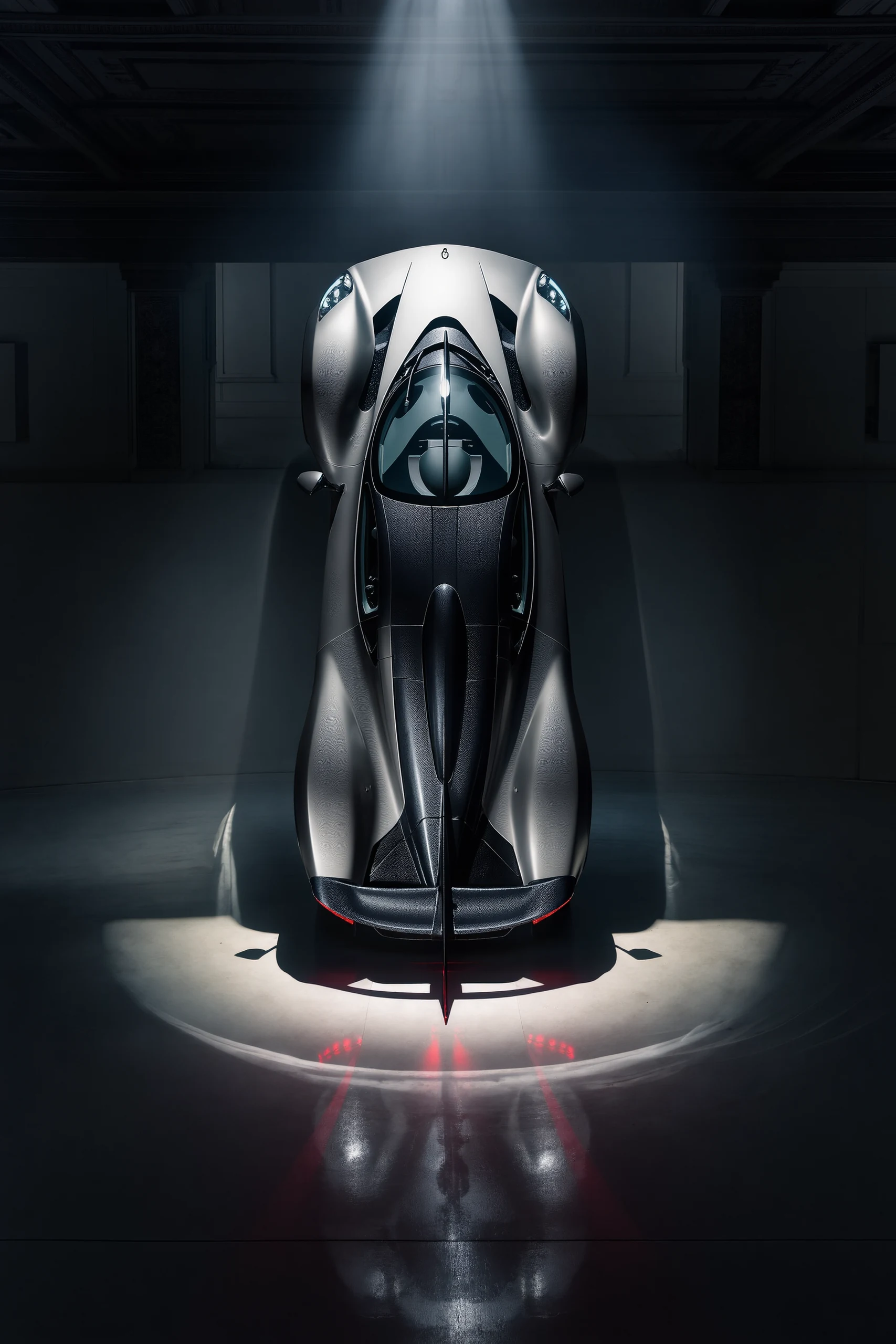
Hypercars represent the pinnacle of automotive engineering, a term that encapsulates the most advanced and high-performance vehicles on the market. These machines are not merely cars; they are masterpieces of design and technology, often boasting extraordinary speed, cutting-edge materials, and innovative features that push the boundaries of what is possible in automotive performance. Typically, hypercars are characterized by their ability to exceed 1,000 horsepower, achieve top speeds well over 200 mph, and incorporate hybrid or fully electric powertrains that redefine efficiency and power delivery.
The allure of hypercars lies not only in their performance metrics but also in their aesthetic appeal. Each hypercar is a unique blend of art and engineering, often featuring aerodynamic designs that are as functional as they are visually striking. Brands like Bugatti, McLaren, and Ferrari have become synonymous with this elite category, producing vehicles that are not just modes of transportation but symbols of human ingenuity and ambition.
The hypercar is a testament to what can be achieved when creativity meets technology, making it a coveted object for enthusiasts and collectors alike.
Key Takeaways
- A hypercar is a high-performance, limited-production car that pushes the boundaries of technology and design.
- Hypercars have a rich history dating back to the 1980s, with iconic models like the Ferrari F40 and the McLaren F1 leading the way.
- Owning a hypercar has become a status symbol, representing wealth, power, and exclusivity in the automotive world.
- Hypercars are extremely exclusive, with limited production runs and high price tags, making them highly sought after by collectors and enthusiasts.
- Hypercars are at the forefront of automotive technology, with advanced engineering and cutting-edge performance capabilities.
The History of Hypercars
The concept of hypercars can be traced back to the late 20th century when automotive manufacturers began to push the limits of speed and performance. The term itself gained traction in the early 2000s, but the roots of hypercar development can be found in iconic models such as the McLaren F1, which debuted in 1992.
This vehicle set the stage for what would become a new era in high-performance automobiles. The introduction of models like the Porsche 918 Spyder and the LaFerrari in the early 2010s marked a significant turning point in the hypercar landscape.
These vehicles not only offered blistering performance but also emphasized sustainability through hybrid technology. The evolution of hypercars has been marked by a relentless pursuit of speed, efficiency, and innovation, culminating in a diverse array of options for enthusiasts around the globe.
The Rise of Hypercars as a Status Symbol
In recent years, hypercars have transcended their role as mere vehicles to become powerful status symbols among the elite. Owning a hypercar is often seen as a reflection of wealth, success, and an appreciation for the finer things in life. The exclusivity and high price tags associated with these vehicles contribute to their allure; they are not just cars but badges of honor that signify one’s place within a select social circle.
The rise of social media has further amplified this phenomenon, allowing owners to showcase their hypercars to a global audience. Platforms like Instagram and YouTube have become virtual galleries for these automotive masterpieces, where influencers and enthusiasts alike share their experiences behind the wheel. This visibility has created a culture where hypercars are not only admired for their engineering prowess but also for their ability to elevate one’s social standing.
As more individuals aspire to own these extraordinary machines, the hypercar has solidified its position as an ultimate status symbol.
The Exclusivity of Hypercars
Exclusivity is a defining characteristic of hypercars, with many manufacturers producing limited runs to maintain their allure. Brands often release only a handful of units for each model, creating an environment where demand far exceeds supply. This scarcity drives up prices and enhances the desirability of these vehicles among collectors and enthusiasts.
For instance, models like the Bugatti Chiron or the Pagani Huayra are produced in such limited quantities that owning one is akin to possessing a rare piece of art. The exclusivity extends beyond production numbers; it also encompasses the ownership experience itself. Many hypercar manufacturers offer bespoke customization options that allow buyers to tailor their vehicles to their exact specifications.
This level of personalization not only enhances the ownership experience but also reinforces the notion that these cars are unique extensions of their owners’ personalities. The combination of limited availability and personalized features creates an elite club of hypercar owners who share a passion for automotive excellence.
The Technology and Performance of Hypercars
At the heart of every hypercar lies an intricate web of advanced technology designed to maximize performance and efficiency. These vehicles often feature lightweight materials such as carbon fiber and titanium, which contribute to their impressive power-to-weight ratios. Additionally, many hypercars utilize hybrid powertrains that combine traditional internal combustion engines with electric motors, allowing for instantaneous torque delivery and improved fuel efficiency.
The performance capabilities of hypercars are nothing short of astonishing. With acceleration times that can rival those of fighter jets, many models can go from 0 to 60 mph in under three seconds. Advanced aerodynamics play a crucial role in achieving these feats; active spoilers and diffusers adjust dynamically to optimize downforce and stability at high speeds.
Furthermore, cutting-edge suspension systems ensure that hypercars maintain exceptional handling characteristics, allowing drivers to navigate corners with precision and confidence.
The Impact of Hypercars on the Automotive Industry
The emergence of hypercars has had a profound impact on the automotive industry as a whole. These high-performance vehicles serve as testbeds for innovative technologies that eventually trickle down to more mainstream models. Features such as advanced driver-assistance systems (ADAS), lightweight materials, and hybrid powertrains were once exclusive to hypercars but are now becoming standard in everyday vehicles.
Moreover, the competition among manufacturers to produce the ultimate hypercar has spurred significant advancements in engineering and design. Companies invest heavily in research and development to create vehicles that not only outperform their rivals but also set new benchmarks for safety and efficiency. This relentless pursuit of excellence has elevated industry standards across the board, benefiting consumers who enjoy improved performance and technology in their own vehicles.
The Influence of Hypercars in Popular Culture
Hypercars have transcended their automotive roots to become cultural icons, influencing various aspects of popular culture from films to fashion. Movies like “Fast & Furious” and “Transformers” have showcased these extraordinary machines, embedding them into the collective consciousness as symbols of speed and luxury. Their appearances on screen often evoke excitement and admiration, further solidifying their status as aspirational objects.
In addition to film, hypercars have made their mark on fashion and lifestyle brands that seek to align themselves with the prestige associated with these vehicles. Collaborations between automotive manufacturers and luxury brands have resulted in exclusive merchandise that appeals to affluent consumers who wish to embody the hypercar lifestyle. This cross-pollination between industries highlights how deeply ingrained hypercars have become in modern culture, serving as both inspiration and aspiration for many.
The Cost of Owning a Hypercar
Owning a hypercar comes with an astronomical price tag that often ranges from several hundred thousand to several million dollars. This financial commitment is not merely for the vehicle itself; it encompasses a range of additional costs including insurance, registration fees, and taxes that can significantly increase the overall expenditure. Furthermore, many buyers opt for bespoke customization options that can add hundreds of thousands more to the final price.
Beyond the initial purchase price, potential owners must also consider ongoing expenses such as maintenance and repairs. Hypercars require specialized care from trained technicians who understand the intricacies of these high-performance machines. As such, routine maintenance can be considerably more expensive than that of standard vehicles, making it essential for owners to budget accordingly if they wish to enjoy their investment fully.
The Maintenance and Upkeep of Hypercars
Maintaining a hypercar is an endeavor that requires both time and financial resources. These vehicles are engineered with precision, meaning that even minor issues can lead to significant repair costs if not addressed promptly. Regular maintenance schedules often include specialized services such as tire changes, brake inspections, and software updates that ensure optimal performance.
Additionally, many hypercar owners choose to store their vehicles in climate-controlled environments to protect them from environmental factors that could cause damage over time. This level of care is essential for preserving both the aesthetic appeal and mechanical integrity of these extraordinary machines. As such, owning a hypercar often involves a commitment to meticulous upkeep that goes beyond what is typically required for standard automobiles.
The Social Implications of Owning a Hypercar
The ownership of a hypercar carries with it various social implications that extend beyond mere transportation. For many individuals, these vehicles serve as symbols of success and achievement within their communities or social circles. The act of driving or displaying a hypercar can elicit admiration or envy from others, reinforcing one’s status within elite groups.
However, this status can also come with scrutiny or criticism from those who view hypercar ownership as excessive or wasteful. In an age where sustainability is increasingly prioritized, some may question the environmental impact associated with high-performance vehicles that consume vast amounts of fuel or produce significant emissions. This dichotomy creates an interesting conversation around wealth distribution, environmental responsibility, and societal values regarding luxury consumption.
The Future of Hypercars as a Status Symbol
As we look toward the future, it is clear that hypercars will continue to evolve alongside advancements in technology and shifting societal values. While they remain potent symbols of wealth and success today, there is potential for new narratives surrounding sustainability and innovation to reshape how these vehicles are perceived. As electric powertrains become more prevalent in high-performance applications, we may see a new generation of hypercars that prioritize eco-friendliness without sacrificing speed or luxury.
Moreover, as younger generations enter the luxury market with different values and priorities, manufacturers may need to adapt their offerings to align with changing consumer preferences. The future may see hypercars embracing more sustainable practices while still retaining their status as coveted objects within affluent circles. Ultimately, while the essence of what defines a hypercar may evolve over time, its role as an aspirational symbol will likely endure for years to come.
FAQs
What is a hypercar?
A hypercar is a high-performance sports car that is at the top of the automotive industry in terms of speed, power, and technology. These cars are often limited in production and come with a high price tag.What makes owning a hypercar a status symbol?
Owning a hypercar is considered a status symbol because it signifies wealth, luxury, and exclusivity. These cars are often associated with high-profile individuals and celebrities, and owning one can elevate one’s social status.Why are hypercars becoming the new status symbol?
Hypercars are becoming the new status symbol due to their increasing popularity and demand among the ultra-wealthy. With advancements in technology and design, hypercars are seen as the pinnacle of automotive engineering and owning one is a symbol of success and achievement.What are some popular hypercar brands?
Some popular hypercar brands include Bugatti, Koenigsegg, Pagani, McLaren, and Ferrari. These brands are known for producing high-performance, limited-edition hypercars that are highly sought after by car enthusiasts and collectors.How much does a hypercar typically cost?
The cost of a hypercar can vary greatly, but they often start at several hundred thousand dollars and can go up to several million dollars. Limited production, advanced technology, and high-performance capabilities contribute to the high price tag of hypercars.Are hypercars practical for everyday use?
Hypercars are not typically practical for everyday use due to their high performance, low ground clearance, and limited storage space. They are designed for speed and performance, and are often used for special occasions or as collector’s items.More in
More from Blog
Blog · 27 min
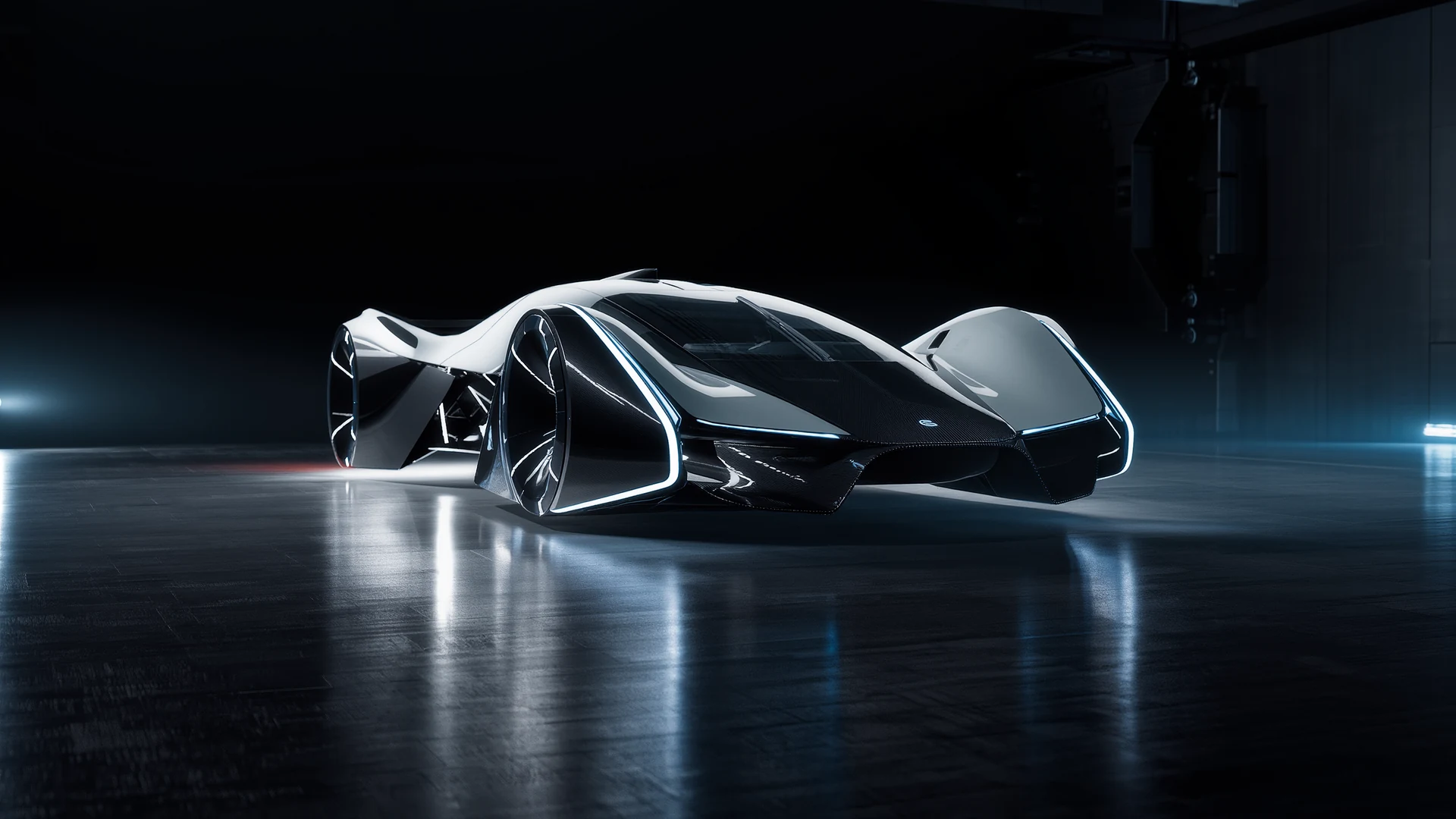
The Future of Hypercars: Electrification, Autonomy, and the Next Performance Frontier
The future of hypercars: how electrification, solid-state batteries, hybrid V16 powertrains, 3D printing, active aero, autonomy and eFuels redefine pe…
Blog · 29 min
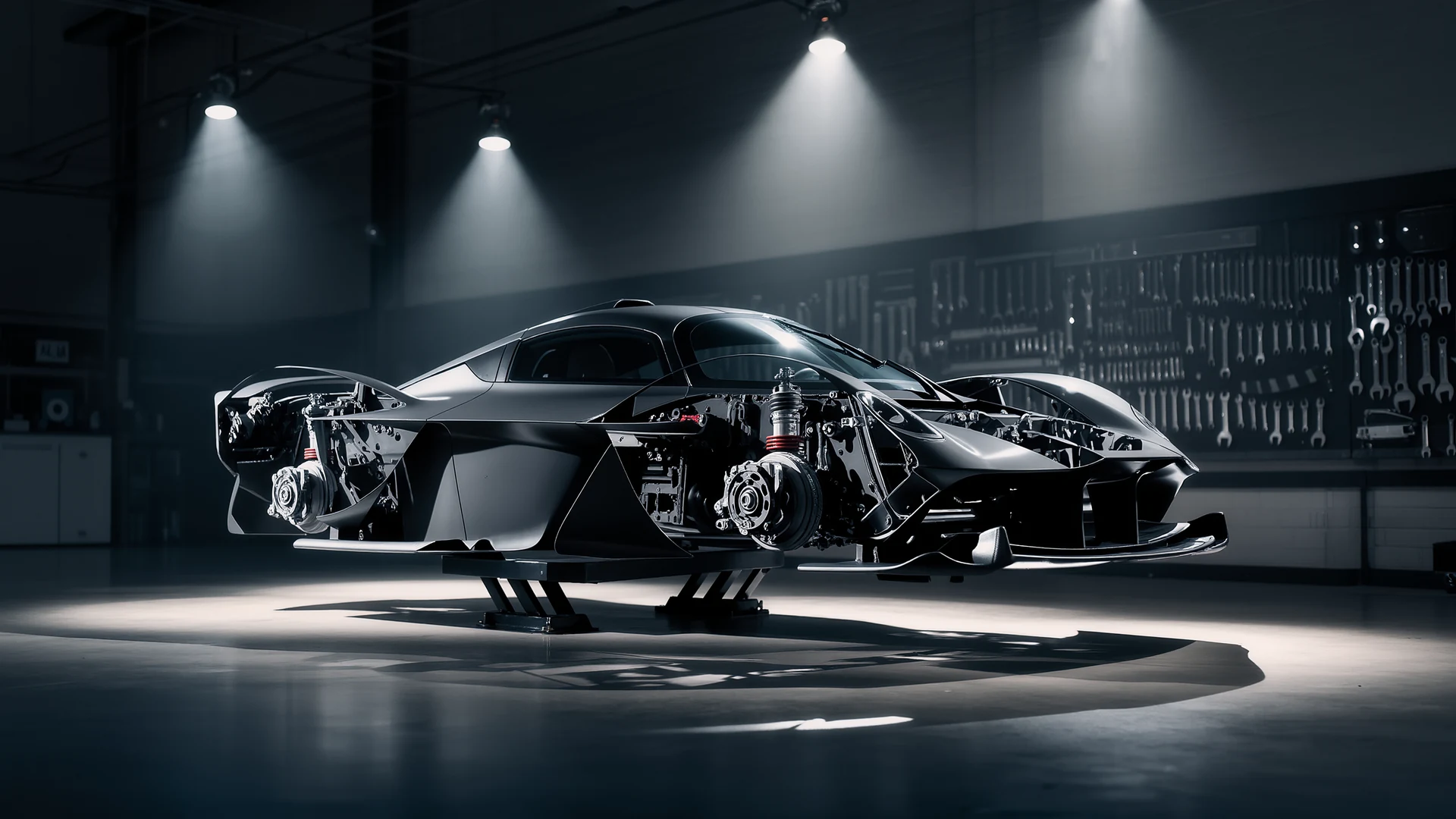
Hypercar Maintenance Guide: The True Cost of Keeping an Automotive Masterpiece on the Road
Hypercar maintenance guide: real annual service costs from Bugatti and Koenigsegg to Pagani and Rimac, plus tire, brake and resale-value insights for …
Blog · 24 min
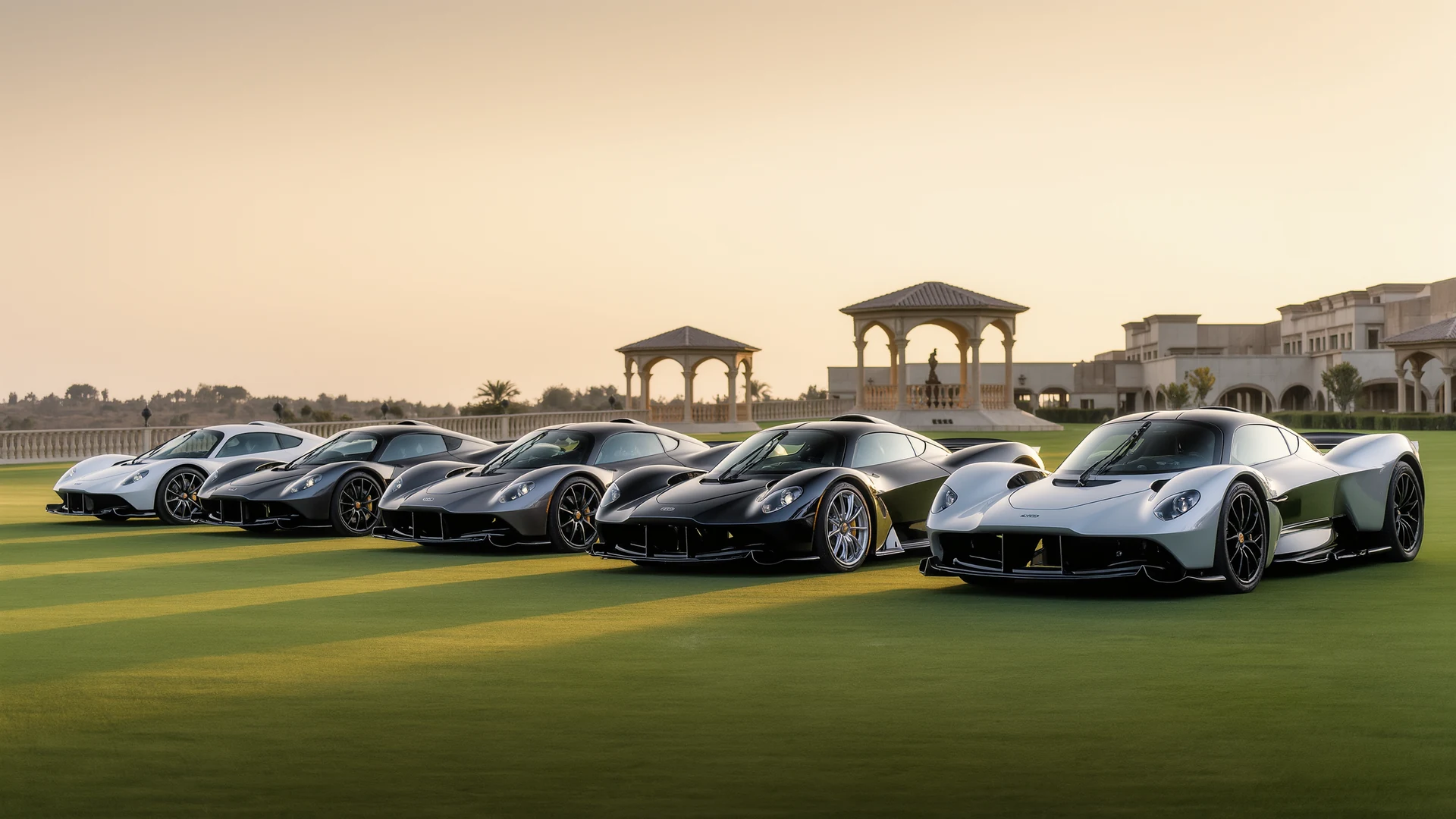
Hypercar Events Worldwide: The Ultimate Calendar for Collectors and Enthusiasts
Hypercar events worldwide: a collector’s calendar from Monterey Car Week and Goodwood to Villa d’Este, Top Marques Monaco, elite rallies a…