Blog · Blog
Rappers and Their Million-Dollar Hypercars
In the world of hip-hop, wealth and success are often symbolized by extravagant purchases, and few items epitomize this lifestyle quite like hypercars. These high-performance vehic…
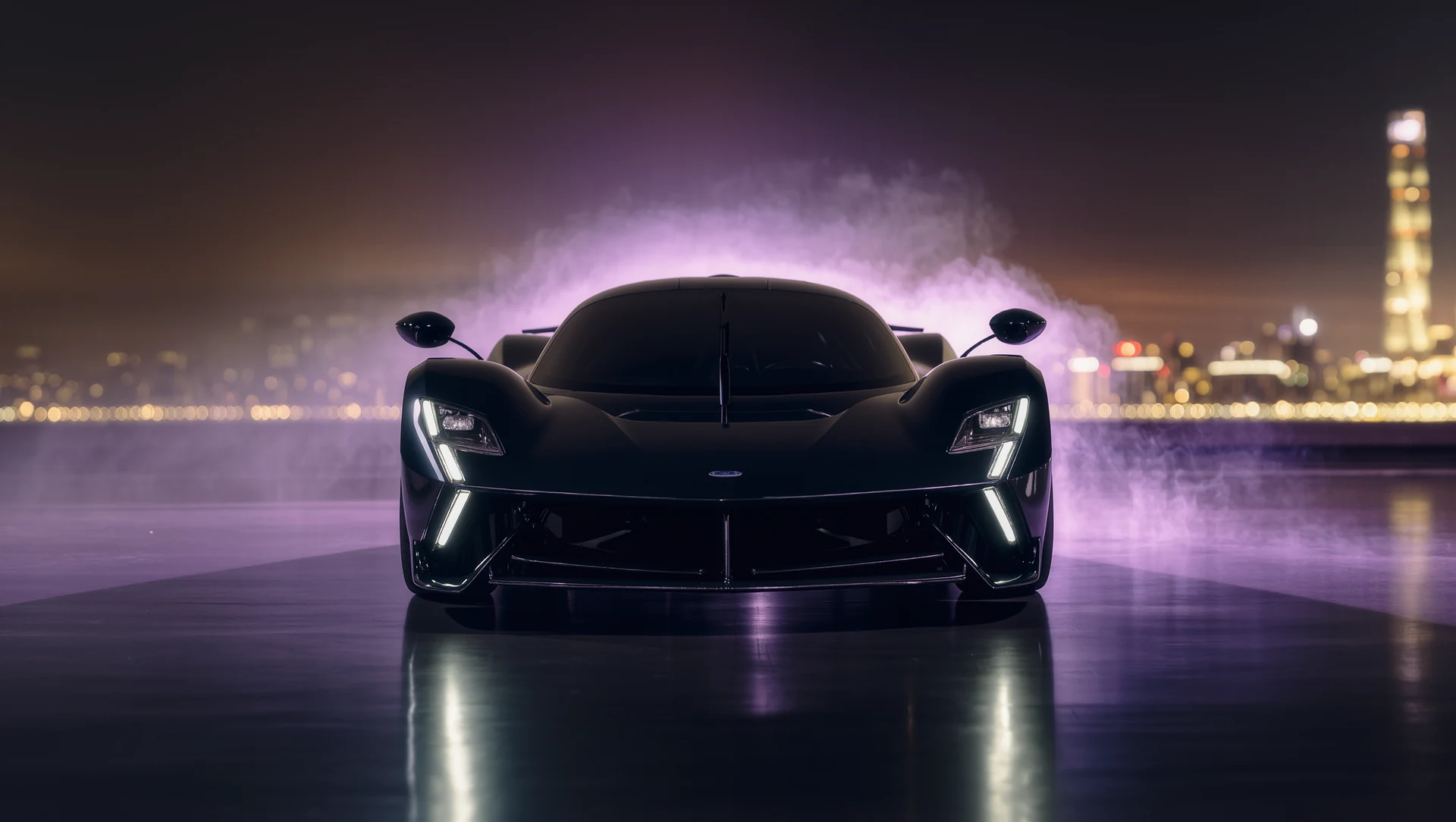
In the world of hip-hop, wealth and success are often symbolized by extravagant purchases, and few items epitomize this lifestyle quite like hypercars. These high-performance vehicles, which can cost millions of dollars, serve as a testament to the financial achievements of rappers who have risen from humble beginnings to global stardom. The allure of hypercars goes beyond mere transportation; they represent a lifestyle filled with luxury, speed, and exclusivity.
For many rappers, owning a hypercar is not just about the car itself but also about the status it conveys within the music industry and popular culture. Hypercars are the pinnacle of automotive engineering, boasting cutting-edge technology, breathtaking design, and unparalleled performance. They are often produced in limited quantities, making them highly sought after by collectors and enthusiasts alike.
Rappers, who frequently use their lyrics to showcase their wealth and success, have embraced hypercars as a key element of their personal brand. From the sleek lines of a Bugatti Veyron to the aggressive stance of a McLaren P1, these vehicles are more than just machines; they are symbols of achievement and aspiration.
Key Takeaways
- Rappers are known for their extravagant hypercar collections, which play a significant role in their image and branding.
- Hypercars have become a status symbol in the rap industry, with rappers customizing and modifying their vehicles to reflect their personal style.
- Brands like Bugatti, Lamborghini, and Ferrari are among the most popular hypercar choices for rappers, showcasing their wealth and success.
- Rappers’ hypercar collections have a significant impact on the luxury car market, influencing trends and sales in the industry.
- The connection between rap lyrics and hypercars is evident, with many rappers referencing their lavish vehicles as a symbol of their success and lifestyle.
The Rise of Hypercars in the Rap Industry
The emergence of hypercars in the rap industry can be traced back to the late 1990s and early 2000s when artists began to flaunt their wealth through luxury cars. However, it wasn’t until the mid-2010s that hypercars truly became a staple in the hip-hop community. As rappers gained more visibility and influence, they began to invest in these high-performance vehicles as a way to elevate their status and showcase their success.
The rise of social media platforms like Instagram has further amplified this trend, allowing artists to share their extravagant lifestyles with millions of followers. As the rap genre evolved, so did the cars that artists chose to drive.
Rappers like Drake, Lil Wayne, and Travis Scott have been spotted behind the wheels of some of the most coveted hypercars on the market. This shift not only reflects the changing tastes of artists but also highlights the growing intersection between music, fashion, and automotive culture. The hypercar phenomenon has become a cultural touchstone, influencing not just what rappers drive but also how they present themselves to the world.
The Most Popular Hypercar Brands Among Rappers
When it comes to hypercars, certain brands have emerged as favorites among rappers due to their performance, prestige, and price tags. Bugatti is perhaps the most iconic name in this realm, with its Veyron and Chiron models being particularly popular among hip-hop’s elite. The brand’s reputation for speed and luxury makes it a natural choice for artists looking to make a statement.
Rappers like Birdman and Post Malone have been known to flaunt their Bugatti collections, further solidifying its status as a symbol of success. Another brand that has captured the attention of rappers is Lamborghini. Known for its bold designs and roaring engines, Lamborghini offers models like the Aventador and Huracán that resonate with the flashy lifestyle many artists embody.
Rappers such as Tyga and 50 Cent have been seen driving Lamborghinis, showcasing their love for speed and style. Additionally, McLaren has gained traction in recent years, with models like the P1 and 720S becoming increasingly popular among hip-hop stars. The combination of cutting-edge technology and striking aesthetics makes McLaren a favorite for those looking to stand out on the road.
Customizations and Modifications: How Rappers Personalize Their Hypercars
For many rappers, owning a hypercar is just the beginning; personalizing these vehicles is where the real fun begins. Customizations can range from aesthetic modifications like unique paint jobs and custom interiors to performance upgrades that enhance speed and handling. Rappers often collaborate with renowned automotive designers and custom shops to create one-of-a-kind vehicles that reflect their personal style and brand identity.
The customization process allows rappers to infuse their personalities into their hypercars, making each vehicle a unique work of art. For instance, some artists opt for vibrant colors or intricate designs that stand out on the road, while others may choose to add personalized touches such as custom rims or bespoke interiors featuring luxurious materials. This level of personalization not only enhances the car’s aesthetic appeal but also serves as a form of self-expression for the artist.
In an industry where image is everything, these customizations play a crucial role in how rappers are perceived by their fans and peers alike.
The Role of Hypercars in Rappers’ Image and Branding
Hypercars play a significant role in shaping a rapper’s image and branding strategy. In an industry where competition is fierce, having a hypercar can set an artist apart from their peers and reinforce their status as a successful figure in hip-hop culture. The visual impact of these vehicles often translates into social media posts, music videos, and public appearances, creating a powerful association between the artist’s brand and luxury.
Moreover, hypercars serve as a form of storytelling within rap music. When artists reference their cars in lyrics or showcase them in videos, they are not just flaunting wealth; they are crafting narratives about success, ambition, and the journey from struggle to triumph.
The Influence of Rappers on Hypercar Trends and Sales
Rappers have become influential figures in shaping trends within the hypercar market. Their visibility and status can drive demand for specific models or brands, leading to increased sales and heightened interest among consumers. When a popular artist is seen driving a particular hypercar or mentions it in their lyrics, it often creates a ripple effect that influences fans and car enthusiasts alike.
This influence extends beyond just sales; it also impacts how manufacturers market their vehicles. Car companies recognize the power of celebrity endorsements and often collaborate with rappers for promotional campaigns or special editions of their cars. By aligning themselves with influential figures in hip-hop culture, manufacturers can tap into new demographics and enhance their brand image.
As a result, rappers have become key players in the luxury automotive industry, shaping trends and driving consumer behavior.
The Most Expensive Hypercars Owned by Rappers
The world of hypercars is filled with jaw-dropping price tags, and many rappers have made headlines for their extravagant purchases. One standout example is Birdman, who reportedly owns one of the most expensive car collections in the world, including multiple Bugatti Veyrons valued at over $2 million each. His passion for luxury cars has made him a prominent figure in both the rap industry and automotive circles.
Another notable mention is rapper Lil Wayne, who has been known to own several high-end vehicles, including a Lamborghini Aventador valued at around $400,000. His affinity for unique cars has led him to customize his vehicles extensively, making them truly one-of-a-kind pieces that reflect his artistic vision. These examples illustrate how rappers are willing to invest significant sums into hypercars as part of their lifestyle choices.
The Impact of Rappers’ Hypercar Collections on the Luxury Car Market
The collections amassed by rappers have had a profound impact on the luxury car market. As these artists showcase their hypercars on social media platforms or in music videos, they create an aspirational image that drives demand among fans and collectors alike. This phenomenon has led to increased interest in specific models or brands that were once considered niche or exclusive.
Moreover, rappers’ influence can lead to price fluctuations within the luxury car market. When an artist endorses or showcases a particular hypercar model, it can result in heightened demand that drives up prices among collectors and enthusiasts. This dynamic creates a unique relationship between hip-hop culture and the luxury automotive industry, where trends can shift rapidly based on an artist’s preferences or public persona.
The Connection Between Rap Lyrics and Hypercars
Rap lyrics often serve as a canvas for artists to express their experiences, aspirations, and lifestyles. Hypercars frequently find their way into these lyrics as symbols of success and achievement. When rappers mention specific models or brands in their songs, they are not merely referencing cars; they are weaving narratives about ambition, wealth, and personal growth.
The connection between rap lyrics and hypercars also reflects broader cultural themes within hip-hop music. Many artists use their lyrics to address issues such as overcoming adversity or achieving dreams against all odds. By incorporating hypercars into these narratives, they create powerful imagery that resonates with listeners who aspire to similar levels of success.
This interplay between music and automotive culture adds depth to both art forms while reinforcing the significance of hypercars within hip-hop.
The Controversies Surrounding Rappers and Their Hypercars
While hypercars symbolize success for many rappers, they can also attract controversy. Instances of reckless driving or illegal street racing involving high-performance vehicles have led to negative media attention for some artists. These incidents raise questions about responsibility and accountability within the hip-hop community as well as broader societal concerns regarding safety on public roads.
Additionally, critics argue that flaunting wealth through hypercars can perpetuate materialism within hip-hop culture. Some believe that this emphasis on luxury items detracts from more meaningful messages within music or reinforces stereotypes about artists’ lifestyles. As discussions around social responsibility continue to evolve within the industry, rappers must navigate these complexities while maintaining their personal brands.
The Future of Rappers and Hypercars: What to Expect
As we look toward the future, it is clear that hypercars will continue to play an integral role in shaping the lifestyles of rappers. With advancements in technology leading to even more powerful and innovative vehicles entering the market, artists will likely seek out new models that push boundaries both in performance and design. Additionally, as sustainability becomes an increasingly important topic within society, we may see more rappers embracing electric hypercars or hybrid models that align with eco-conscious values.
Furthermore, collaborations between rappers and automotive brands are expected to grow in popularity as manufacturers recognize the marketing potential within hip-hop culture. Limited-edition models or custom designs created in partnership with artists could become more common as brands seek to tap into this lucrative market segment. In conclusion, hypercars have become an essential aspect of rap culture, serving as symbols of success while influencing trends within both music and automotive industries alike.
As rappers continue to push boundaries through their artistry and lifestyle choices, it will be fascinating to see how this relationship evolves over time.
FAQs
What are hypercars?
Hypercars are a category of extremely high-performance, limited-production sports cars. They are known for their advanced technology, high speed, and high price tags.Which rappers own million-dollar hypercars?
Several rappers own million-dollar hypercars, including Jay-Z, Kanye West, and Drake. These cars are often customized to the owner’s preferences and are a symbol of their success and wealth.What are some examples of hypercars owned by rappers?
Some examples of hypercars owned by rappers include the Bugatti Veyron, Lamborghini Aventador, and McLaren P1. These cars are known for their sleek designs and incredible speed.How much do these hypercars cost?
Hypercars can cost anywhere from $1 million to several million dollars, depending on the make, model, and customization options. The cost of ownership also includes maintenance, insurance, and other associated expenses.Why do rappers often own hypercars?
Rappers often own hypercars as a way to showcase their success and wealth. These cars are a status symbol and are often featured in their music videos and social media posts. Additionally, rappers are known for their love of luxury and high-end items, making hypercars a natural fit for their lifestyle.More in
More from Blog
Blog · 27 min
The Future of Hypercars: Electrification, Autonomy, and the Next Performance Frontier
The future of hypercars: how electrification, solid-state batteries, hybrid V16 powertrains, 3D printing, active aero, autonomy and eFuels redefine pe…
Blog · 29 min
Hypercar Maintenance Guide: The True Cost of Keeping an Automotive Masterpiece on the Road
Hypercar maintenance guide: real annual service costs from Bugatti and Koenigsegg to Pagani and Rimac, plus tire, brake and resale-value insights for …
Blog · 24 min
Hypercar Events Worldwide: The Ultimate Calendar for Collectors and Enthusiasts
Hypercar events worldwide: a collector’s calendar from Monterey Car Week and Goodwood to Villa d’Este, Top Marques Monaco, elite rallies a…