Blog · Blog
The Symbolic Power and Wealth of Hypercars
Hypercars have become synonymous with affluence and prestige, serving as a tangible representation of power and wealth in contemporary society. These extraordinary machines, often …
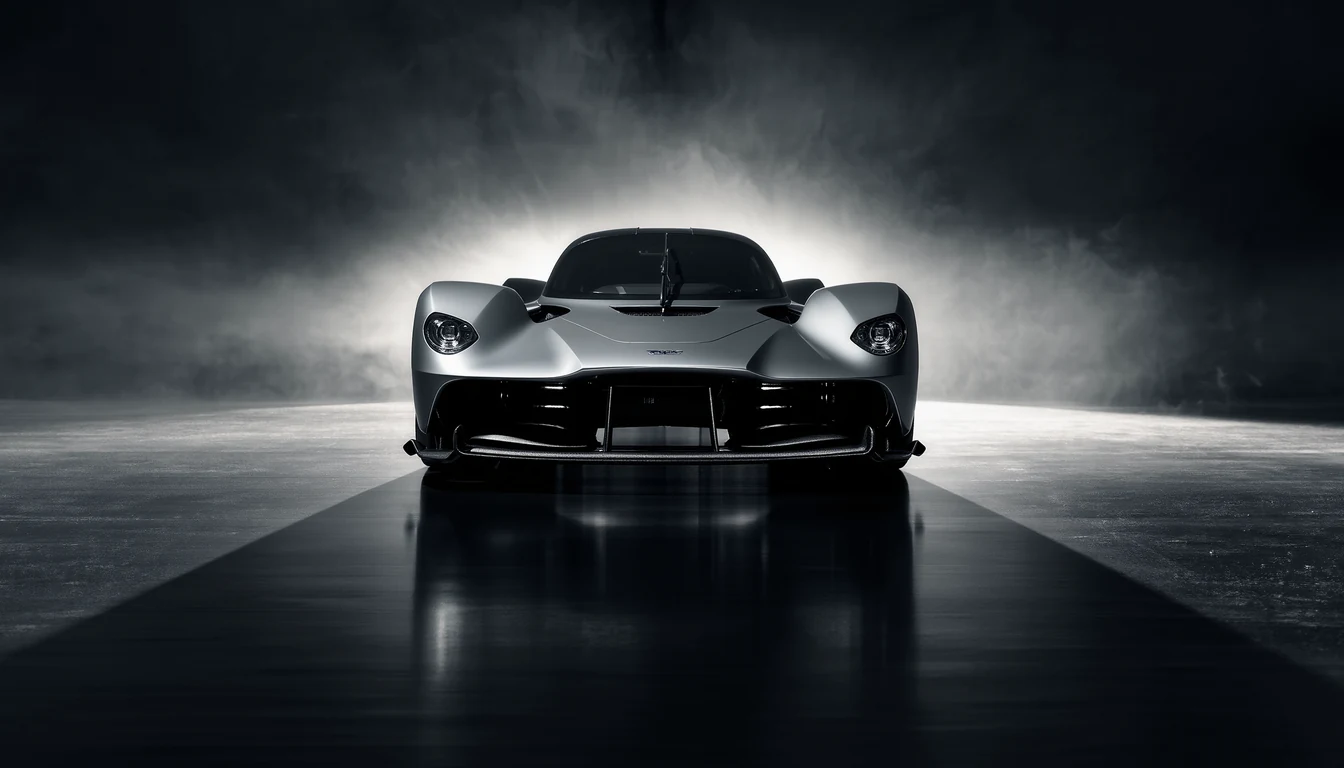
Hypercars have become synonymous with affluence and prestige, serving as a tangible representation of power and wealth in contemporary society. These extraordinary machines, often characterized by their breathtaking speed, cutting-edge technology, and exquisite design, are not merely vehicles; they are statements. The allure of hypercars lies in their ability to evoke admiration and envy, making them coveted possessions among the elite.
Owning a hypercar is akin to possessing a piece of art, a testament to one’s success and discerning taste. The mere sight of a sleek, aerodynamic silhouette gliding down the road can turn heads and spark conversations, reinforcing the notion that hypercars are more than just modes of transportation, they are symbols of status. The exclusivity associated with hypercars further amplifies their appeal.
Limited production runs and bespoke customization options mean that only a select few can claim ownership of these automotive masterpieces. This rarity not only enhances their desirability but also solidifies their position as a status symbol. For many, acquiring a hypercar is not just about the thrill of driving; it is about making a statement in a world where wealth is often measured by the possessions one holds.
In this sense, hypercars transcend their mechanical capabilities, becoming emblems of success that reflect the aspirations and achievements of their owners.
Key Takeaways
- Hypercars are a status symbol of power and wealth, representing the pinnacle of automotive engineering and design excellence.
- From luxury to performance, hypercars have evolved over time to become a symbol of elite status and exclusivity in popular culture and media.
- The engineering and design excellence of hypercars showcase technological advancement and innovation, influencing consumer behavior and luxury lifestyle.
- Hypercars are not only a form of investment and wealth preservation, but also reflect economic prosperity in the global market.
- The future of hypercars is expected to continue their symbolic power and representation of wealth, further impacting the automotive industry and competition.
The history and evolution of hypercars: From luxury to performance
The journey of hypercars began in the late 20th century when automotive manufacturers started pushing the boundaries of performance and luxury. The term “hypercar” itself emerged in the early 2000s, but its roots can be traced back to iconic models like the McLaren F1, which debuted in 1992. This groundbreaking vehicle set new standards for speed and engineering excellence, boasting a top speed of 240 mph and a lightweight carbon fiber chassis.
The McLaren F1 paved the way for future hypercars by demonstrating that performance could coexist with luxury, setting the stage for an era where speed and sophistication became paramount. As technology advanced, so did the concept of hypercars. The early 2000s saw the introduction of models like the Bugatti Veyron, which shattered records with its astonishing 1,001 horsepower engine and a top speed exceeding 250 mph.
This era marked a shift from merely luxurious vehicles to high-performance machines that could compete on the racetrack while still offering opulent features. Manufacturers began to focus on aerodynamics, weight reduction, and hybrid technology, leading to the emergence of models like the Porsche 918 Spyder and LaFerrari. These vehicles not only showcased blistering performance but also embraced sustainability, reflecting a growing awareness of environmental concerns within the automotive industry.
The significance of hypercars in popular culture and media
Hypercars have transcended their automotive origins to become cultural icons, frequently appearing in films, television shows, and social media platforms. Their striking designs and unparalleled performance make them ideal subjects for filmmakers seeking to convey luxury and excitement. Movies like “Fast & Furious” and “James Bond” franchises have featured hypercars prominently, showcasing their ability to capture the imagination of audiences worldwide.
These cinematic portrayals contribute to the mystique surrounding hypercars, reinforcing their status as symbols of adventure and sophistication. In addition to film, hypercars have found a significant presence in social media, where influencers and automotive enthusiasts share breathtaking images and videos that highlight their beauty and performance. Platforms like Instagram have become virtual galleries for hypercar aficionados, allowing them to connect with like-minded individuals who share their passion for these extraordinary machines.
This digital exposure has further solidified hypercars as aspirational objects, inspiring a new generation of car enthusiasts who dream of one day owning such remarkable vehicles.
The engineering and design excellence of hypercars
At the heart of every hypercar lies an intricate blend of engineering prowess and design excellence. Manufacturers invest millions into research and development to create vehicles that not only perform exceptionally but also captivate the eye. The engineering behind hypercars involves cutting-edge technologies such as active aerodynamics, advanced materials like carbon fiber, and hybrid powertrains that maximize efficiency without compromising performance.
This relentless pursuit of perfection results in machines that can accelerate from 0 to 60 mph in mere seconds while maintaining stability at high speeds. Design plays an equally crucial role in the allure of hypercars. Each model is meticulously crafted to achieve not only aesthetic appeal but also functional superiority.
Aerodynamic shapes reduce drag, while aggressive lines convey speed even when stationary. Iconic designs from brands like Ferrari, Lamborghini, and Pagani have become instantly recognizable, further enhancing their desirability among collectors and enthusiasts alike. The marriage of form and function in hypercar design exemplifies the pinnacle of automotive artistry, making these vehicles true masterpieces on wheels.
Hypercars as a form of investment and wealth preservation
In recent years, hypercars have emerged as viable investment opportunities for affluent individuals seeking to diversify their portfolios. Unlike traditional investments that may fluctuate with market trends, rare hypercars often appreciate over time due to their limited production runs and increasing demand among collectors. Models like the Ferrari F40 or Bugatti Veyron have seen significant value increases in the secondary market, making them attractive assets for those looking to preserve wealth.
Moreover, owning a hypercar can provide tax advantages in certain jurisdictions, further incentivizing wealthy individuals to invest in these high-performance vehicles. As collectors recognize the potential for financial gain alongside the thrill of ownership, hypercars are increasingly viewed as both luxurious toys and strategic investments.
The exclusivity and rarity of hypercars: A symbol of elite status
The exclusivity inherent in hypercar ownership is one of its most compelling aspects. Manufacturers often produce these vehicles in limited quantities, creating an air of scarcity that heightens their desirability. For instance, brands like Koenigsegg or Pagani may release only a handful of units for each model, ensuring that only a select few can claim ownership.
This rarity transforms hypercars into coveted trophies for collectors who seek to distinguish themselves from the masses. The social dynamics surrounding hypercar ownership further reinforce their status as symbols of elite status. Owners often participate in exclusive events such as private track days or luxury car shows where they can showcase their vehicles alongside fellow enthusiasts.
These gatherings foster a sense of community among hypercar owners while simultaneously elevating their social standing within affluent circles. In this way, hypercars serve not only as personal expressions of wealth but also as markers of belonging within an elite lifestyle.
The influence of hypercars on luxury lifestyle and consumer behavior
Hypercars have significantly influenced luxury lifestyle trends and consumer behavior in recent years. As these vehicles capture public attention through media exposure and social media platforms, they inspire consumers to seek out high-end products that reflect similar values of exclusivity and performance. Luxury brands across various sectors, from fashion to watches, have begun to adopt design elements inspired by hypercars, creating products that resonate with affluent consumers who appreciate craftsmanship and innovation.
Moreover, the desire for hypercar ownership has led to an increase in demand for luxury experiences that complement this lifestyle. High-end travel destinations, exclusive events, and bespoke services have become essential components of the luxury lifestyle associated with hypercar ownership. Consumers are increasingly seeking out experiences that allow them to immerse themselves in the world of high-performance automobiles, further solidifying the connection between hypercars and luxury living.
Hypercars as a representation of technological advancement and innovation
Hypercars stand at the forefront of technological advancement within the automotive industry. Manufacturers continually push boundaries by integrating cutting-edge technologies that enhance performance while addressing environmental concerns. Hybrid powertrains have become increasingly common in hypercars, allowing for impressive acceleration without sacrificing fuel efficiency or increasing emissions.
This shift reflects a broader trend within the automotive sector toward sustainability while maintaining exhilarating performance. Additionally, advancements in materials science have enabled manufacturers to create lighter yet stronger components for hypercars. Carbon fiber construction has become standard practice, allowing for significant weight reduction without compromising structural integrity.
These innovations not only improve performance but also enhance safety features, an essential consideration for vehicles capable of reaching extreme speeds. As hypercars continue to evolve technologically, they serve as benchmarks for other segments within the automotive industry.
The impact of hypercars on the automotive industry and competition
The rise of hypercars has had a profound impact on the automotive industry as a whole, driving competition among manufacturers to develop faster, more efficient vehicles. As brands vie for supremacy in this elite segment, they invest heavily in research and development to create groundbreaking technologies that push performance limits further than ever before. This competitive landscape has led to rapid advancements in engineering practices and design philosophies across all tiers of automotive manufacturing.
Moreover, the success of hypercars has inspired mainstream manufacturers to incorporate elements typically associated with high-performance vehicles into their offerings. Features such as advanced aerodynamics, lightweight materials, and enhanced driving dynamics are now being integrated into more accessible models, allowing consumers at various price points to experience aspects of what makes hypercars so desirable. This trickle-down effect has elevated overall industry standards while fostering innovation across all segments.
The global market for hypercars: A reflection of economic prosperity
The global market for hypercars serves as a barometer for economic prosperity among affluent consumers worldwide. As wealth continues to concentrate among high-net-worth individuals, particularly in emerging markets, the demand for luxury goods such as hypercars has surged accordingly. Manufacturers are increasingly targeting regions like Asia-Pacific and the Middle East where rising affluence is driving interest in high-performance automobiles.
This growing market has prompted manufacturers to expand their offerings beyond traditional markets in Europe and North America. Brands are now tailoring their marketing strategies to appeal specifically to affluent consumers in these emerging regions while also considering cultural preferences that influence purchasing decisions. As a result, we see an increasing diversity in design aesthetics and performance characteristics aimed at capturing this lucrative segment.
The future of hypercars: Continuation of their symbolic power and wealth representation
Looking ahead, it is clear that hypercars will continue to hold significant symbolic power as representations of wealth and success in society. As technology advances further, particularly with electric powertrains becoming more prevalent, hypercars will likely evolve into even more sophisticated machines capable of delivering unparalleled performance while addressing environmental concerns. Moreover, as consumer preferences shift toward sustainability without sacrificing luxury or performance, manufacturers will need to adapt accordingly to maintain relevance within this competitive landscape.
The future may see an even greater emphasis on hybridization or fully electric models that retain the exhilarating driving experience associated with traditional combustion engines while embracing eco-friendly practices. In conclusion, hypercars will remain at the intersection of luxury lifestyle choices and technological innovation, a testament not only to human ingenuity but also an enduring symbol reflecting our aspirations for power and prestige within an ever-evolving world.
FAQs
What is a hypercar?
A hypercar is a high-performance sports car that is at the pinnacle of automotive engineering and technology. These cars are known for their exceptional speed, power, and advanced design features.What makes hypercars a symbol of power and wealth?
Hypercars are often associated with power and wealth due to their exorbitant price tags, exclusive production numbers, and cutting-edge technology. Owning a hypercar is seen as a status symbol and a display of affluence.What are some examples of hypercars?
Some well-known hypercars include the Bugatti Chiron, Koenigsegg Jesko, McLaren P1, Ferrari LaFerrari, and the Lamborghini Centenario. These cars are renowned for their exceptional performance and luxury.How much do hypercars cost?
Hypercars typically cost several million dollars, with some models reaching prices upwards of $10 million. The high cost is attributed to the advanced engineering, limited production, and exclusive features of these vehicles.What sets hypercars apart from other sports cars?
Hypercars are distinguished by their extreme performance capabilities, including top speeds exceeding 200 mph, acceleration from 0 to 60 mph in under 3 seconds, and advanced aerodynamics and materials. These features set them apart from traditional sports cars.◦ FAQ
Why are hypercars considered symbols of power and wealth?
Hypercars have become synonymous with affluence and prestige, serving as a tangible representation of power and wealth in contemporary society. With their breathtaking speed, cutting-edge technology and exquisite design, they are more than vehicles; they are statements that evoke both admiration and envy among the elite.
How does exclusivity add to a hypercar's appeal?
Limited production runs and bespoke customization options mean that only a select few can claim ownership of these automotive masterpieces. This rarity enhances their desirability and solidifies their position as a status symbol in a world where wealth is often measured by the possessions one holds.
What does owning a hypercar represent beyond transportation?
Owning a hypercar is akin to possessing a piece of art, a testament to one's success and discerning taste. In this sense, hypercars transcend their mechanical capabilities to become emblems of success that reflect the aspirations and achievements of their owners.
More in
More from Blog
Blog · 27 min
The Future of Hypercars: Electrification, Autonomy, and the Next Performance Frontier
The future of hypercars: how electrification, solid-state batteries, hybrid V16 powertrains, 3D printing, active aero, autonomy and eFuels redefine pe…
Blog · 29 min
Hypercar Maintenance Guide: The True Cost of Keeping an Automotive Masterpiece on the Road
Hypercar maintenance guide: real annual service costs from Bugatti and Koenigsegg to Pagani and Rimac, plus tire, brake and resale-value insights for …
Blog · 24 min
Hypercar Events Worldwide: The Ultimate Calendar for Collectors and Enthusiasts
Hypercar events worldwide: a collector’s calendar from Monterey Car Week and Goodwood to Villa d’Este, Top Marques Monaco, elite rallies a…