Blog · Blog
The True Cost of Owning a Bugatti for 5 Years
The allure of hypercars is undeniable, with their sleek designs, blistering performance, and cutting-edge technology. However, the initial purchase price of these automotive master…
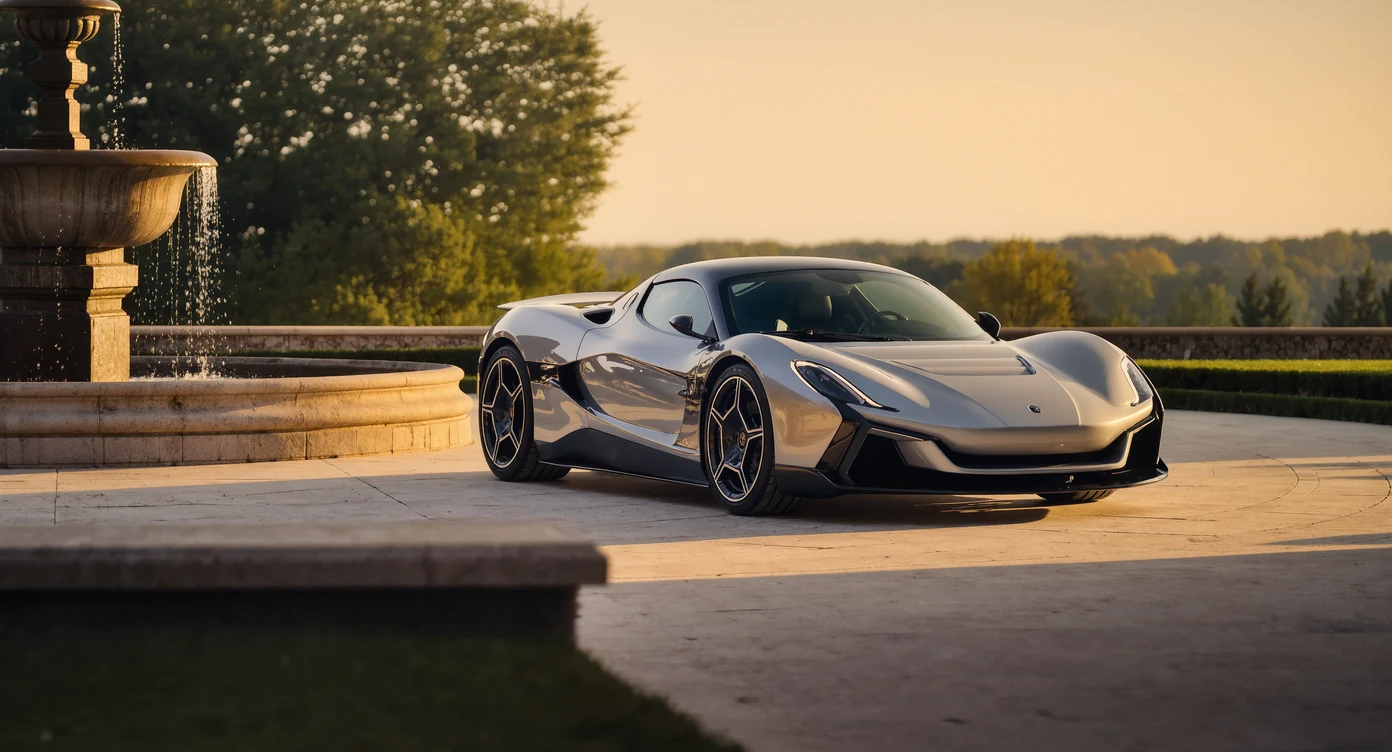
The allure of hypercars is undeniable, with their sleek designs, blistering performance, and cutting-edge technology. However, the initial purchase price of these automotive masterpieces can be staggering. Most hypercars are priced well into the six-figure range, with some models even exceeding a million dollars.
This hefty price tag is not merely a reflection of the car’s performance capabilities but also the brand’s prestige, exclusivity, and the advanced engineering that goes into each vehicle. For many enthusiasts, owning a hypercar is a lifelong dream, a symbol of success and a testament to their passion for automotive excellence. When considering the initial purchase price, potential buyers must also factor in the limited availability of these vehicles.
Many hypercar manufacturers produce only a handful of units each year, creating a sense of urgency and exclusivity that drives up demand. This scarcity often leads to waiting lists and pre-ordering processes that can stretch for years. Additionally, the initial cost can be influenced by various factors such as the model’s performance specifications, customization options, and even the color choice.
For those fortunate enough to afford such an investment, the initial purchase price is just the beginning of a lifestyle that revolves around high-performance automobiles.
Key Takeaways
- Initial Purchase Price: Consider the upfront cost of the vehicle before making a purchase decision.
- Depreciation: Understand how much value the vehicle will lose over time to make an informed choice.
- Insurance Costs: Factor in the cost of insuring the vehicle to your overall budget.
- Maintenance and Repairs: Budget for regular maintenance and potential repairs to keep the vehicle in good condition.
- Fuel Costs: Estimate the fuel expenses based on the vehicle’s fuel efficiency and your expected usage.
Depreciation
While hypercars are often seen as investments due to their limited production runs and high demand, they are not immune to depreciation. Like any vehicle, hypercars lose value over time, but the rate at which they depreciate can vary significantly from model to model. Some hypercars may experience a steep decline in value within the first few years of ownership, while others may hold their worth remarkably well due to their rarity and desirability among collectors.
Factors such as mileage, condition, and market trends play crucial roles in determining how much value a hypercar retains. Interestingly, certain hypercars have been known to appreciate in value over time, especially those that are considered iconic or have historical significance. Models like the Ferrari F40 or the McLaren F1 have become sought-after collectibles, often fetching prices far exceeding their original retail values at auctions.
For hypercar owners, understanding the nuances of depreciation is essential for making informed decisions about their investments. While some may view their hypercars as mere toys, others see them as assets that can potentially yield returns in the long run.
Insurance Costs
Insuring a hypercar is a unique challenge that comes with its own set of considerations. Due to their high value and performance capabilities, insurance premiums for these vehicles can be significantly higher than those for standard cars. Insurers take into account factors such as the car’s replacement cost, repair expenses, and the likelihood of theft or accidents when determining premiums.
As a result, hypercar owners often find themselves paying thousands of dollars annually just to protect their investment. Moreover, finding an insurance provider that specializes in high-performance vehicles can be crucial for hypercar owners. Standard auto insurance policies may not adequately cover the unique risks associated with hypercars, leading many owners to seek out specialized insurers who understand the intricacies of these vehicles.
Additionally, coverage options such as agreed value policies can provide peace of mind by ensuring that owners receive a predetermined amount in case of a total loss. Ultimately, while insurance costs can be daunting, they are an essential aspect of responsible ownership for anyone investing in a hypercar.
Maintenance and Repairs
Owning a hypercar comes with an inherent responsibility: maintaining its performance and ensuring it remains in peak condition. Maintenance costs for these high-performance machines can be astronomical compared to regular vehicles. Routine services such as oil changes, tire replacements, and brake inspections often require specialized knowledge and equipment, leading to higher labor costs at authorized service centers.
Additionally, parts for hypercars are typically sourced from exclusive suppliers, further driving up maintenance expenses. Repairs can also be a significant financial consideration for hypercar owners. In the unfortunate event of an accident or mechanical failure, repair costs can skyrocket due to the complexity of the vehicle’s systems and the need for specialized technicians.
For instance, replacing a damaged carbon fiber body panel or repairing advanced electronic systems can easily run into tens of thousands of dollars. As such, hypercar owners must be prepared for both routine maintenance and unexpected repairs as part of their ownership experience.
Fuel Costs
Fueling a hypercar is not just about filling up the tank; it’s an experience that reflects the car’s performance capabilities and engineering prowess. Most hypercars require high-octane fuel to operate at their best, which can lead to significantly higher fuel costs compared to conventional vehicles. Depending on driving habits and frequency of use, owners may find themselves spending hundreds or even thousands of dollars annually on fuel alone.
Moreover, fuel efficiency is often not a priority for hypercars designed for speed and performance. Many models achieve lower miles per gallon (MPG) ratings due to their powerful engines and aerodynamic designs.
For enthusiasts who relish every moment behind the wheel, these fuel costs are often seen as a small price to pay for the thrill of driving one of the world’s most advanced automobiles.
Storage and Parking
Proper storage and parking are critical considerations for hypercar owners who want to protect their investments from damage and deterioration. Given their high value and unique designs, many owners opt for climate-controlled garages or specialized storage facilities that cater specifically to luxury vehicles. These environments help maintain optimal conditions by regulating temperature and humidity levels, preventing issues such as rust or paint fading.
Parking can also pose challenges for hypercar owners, especially in urban areas where space is limited and parking regulations are strict. Finding secure parking spots that accommodate high-performance vehicles can be difficult, leading some owners to invest in private garages or valet services that ensure their cars are well cared for while they are away. Additionally, many hypercar owners take extra precautions when parking in public spaces to avoid potential damage from other vehicles or environmental factors.
Taxes and Registration
The financial responsibilities associated with owning a hypercar extend beyond just purchase price and maintenance; taxes and registration fees can also add up quickly. Depending on the jurisdiction, sales tax on luxury vehicles can be substantial, often reaching several thousand dollars at the time of purchase. Additionally, annual registration fees may be higher for hypercars due to their value and classification as high-performance vehicles.
In some regions, owners may also face additional taxes based on vehicle emissions or other environmental regulations. These costs can vary widely depending on local laws and regulations, making it essential for potential buyers to research their specific circumstances before making a purchase. Understanding these financial obligations is crucial for anyone considering entering the world of hypercar ownership.
Financing and Interest
For many enthusiasts, financing a hypercar is a practical option that allows them to enjoy their dream vehicle without depleting their savings entirely. However, financing such high-value assets comes with its own set of challenges. Lenders typically require substantial down payments and may impose higher interest rates due to the perceived risk associated with luxury vehicles.
As a result, potential buyers must carefully evaluate their financial situation before committing to a loan. Additionally, securing financing for a hypercar often requires specialized lenders who understand the unique market dynamics surrounding luxury automobiles. Traditional auto loans may not be suitable for these high-value purchases; therefore, buyers may need to explore options such as personal loans or financing through specialized luxury car dealerships.
Ultimately, navigating the financing landscape is an essential step for anyone looking to make their hypercar dreams a reality.
Customization and Upgrades
One of the most exciting aspects of owning a hypercar is the opportunity for customization and upgrades. Many manufacturers offer bespoke options that allow owners to tailor their vehicles to their personal tastes and preferences. From unique paint colors to custom interior materials and performance enhancements, the possibilities are virtually limitless.
However, this level of personalization often comes at an additional cost. Investing in upgrades can significantly enhance both the performance and aesthetic appeal of a hypercar. Owners may choose to install aftermarket exhaust systems for improved sound or upgrade suspension components for better handling on track days.
While these modifications can elevate the driving experience, they also contribute to ongoing expenses associated with ownership. For many enthusiasts, customizing their hypercars is not just about aesthetics; it’s about creating a one-of-a-kind vehicle that reflects their personality and passion for automotive excellence.
Opportunity Cost
The concept of opportunity cost is particularly relevant when discussing hypercars as investments. For many buyers, purchasing a hypercar means diverting funds from other potential investments or experiences that could yield returns over time. Whether it’s real estate, stocks, or even starting a business venture, the money spent on a hypercar could have been allocated elsewhere with potentially lucrative outcomes.
Moreover, opportunity cost extends beyond financial considerations; it encompasses time as well. The commitment required for maintaining and enjoying a hypercar can take away from other pursuits or hobbies that might offer personal fulfillment or financial gain. For some owners, this trade-off is worth it; they find immense joy in driving their vehicles and participating in automotive events.
Resale Value
The resale value of a hypercar is often influenced by various factors including brand reputation, model rarity, condition, and market demand at the time of sale. While some models may depreciate quickly after purchase due to market saturation or changing consumer preferences, others may appreciate over time due to their iconic status or limited production runs. Understanding these dynamics is crucial for anyone considering selling their hypercar down the line.
For many owners, maintaining resale value becomes an integral part of ownership strategy. This might involve keeping detailed service records, ensuring proper maintenance is performed regularly, and even limiting mileage to preserve condition. Additionally, some owners choose to keep their vehicles in pristine condition by avoiding modifications that could detract from resale appeal.
Ultimately, while driving a hypercar is undoubtedly thrilling, being mindful of its future resale value is an important consideration for any owner looking to navigate this exclusive automotive lifestyle successfully. In conclusion, owning a hypercar is not merely about possessing an extraordinary vehicle; it encompasses an entire lifestyle filled with unique financial considerations and responsibilities. From initial purchase price to ongoing maintenance costs and resale value strategies, each aspect plays a vital role in shaping the experience of being part of this elite automotive community.
For those who embrace this lifestyle wholeheartedly, the rewards, both tangible and intangible, can be immeasurable.
FAQs
What are the real costs of owning a Bugatti over 5 years?
The real costs of owning a Bugatti over 5 years include the initial purchase price, insurance, maintenance, fuel, and depreciation.How much does a Bugatti cost to purchase?
The cost of purchasing a Bugatti varies depending on the model, but it can range from $1.7 million to over $3 million.What is the cost of insurance for a Bugatti?
Insurance for a Bugatti can be extremely expensive, with annual premiums reaching tens of thousands of dollars.What are the maintenance costs for a Bugatti?
Maintenance costs for a Bugatti can be significant, with regular servicing, parts replacement, and specialized labor contributing to the overall expenses.How much does it cost to fuel a Bugatti?
Fuel costs for a Bugatti can be substantial, as the car’s high-performance engine consumes a large amount of fuel.What is the depreciation rate for a Bugatti?
Bugattis are known for their high depreciation rates, with the value of the car dropping significantly over time. This can result in substantial financial losses for the owner.◦ FAQ
Why do hypercars carry such high purchase prices?
Hypercar prices routinely reach the six-figure range and often exceed a million dollars, and the figure reflects far more than raw performance. It also captures the brand's prestige, its exclusivity, and the advanced engineering that goes into each vehicle.
What ongoing costs should a hypercar owner plan for beyond the purchase price?
The purchase price is only the beginning of hypercar ownership. Owners must also account for depreciation, or how much value the car loses over time, as well as insurance costs and other expenses that come with running a high-performance vehicle.
How does limited availability affect hypercar ownership?
Many hypercar manufacturers produce only a handful of units each year, creating scarcity that drives demand and can push waiting lists and pre-ordering processes to stretch for years. Factors such as performance specifications, customization options, and even color choice can also influence the final cost.
More in
More from Blog
Blog · 27 min
The Future of Hypercars: Electrification, Autonomy, and the Next Performance Frontier
The future of hypercars: how electrification, solid-state batteries, hybrid V16 powertrains, 3D printing, active aero, autonomy and eFuels redefine pe…
Blog · 29 min
Hypercar Maintenance Guide: The True Cost of Keeping an Automotive Masterpiece on the Road
Hypercar maintenance guide: real annual service costs from Bugatti and Koenigsegg to Pagani and Rimac, plus tire, brake and resale-value insights for …

Blog · 24 min
Hypercar Events Worldwide: The Ultimate Calendar for Collectors and Enthusiasts
Hypercar events worldwide: a collector’s calendar from Monterey Car Week and Goodwood to Villa d’Este, Top Marques Monaco, elite rallies a…