Blog · Blog
Virtual Reality: Hypercars Shine for Stars
In recent years, the automotive industry has witnessed a remarkable transformation, largely driven by advancements in technology. Among these innovations, virtual reality (VR) has …
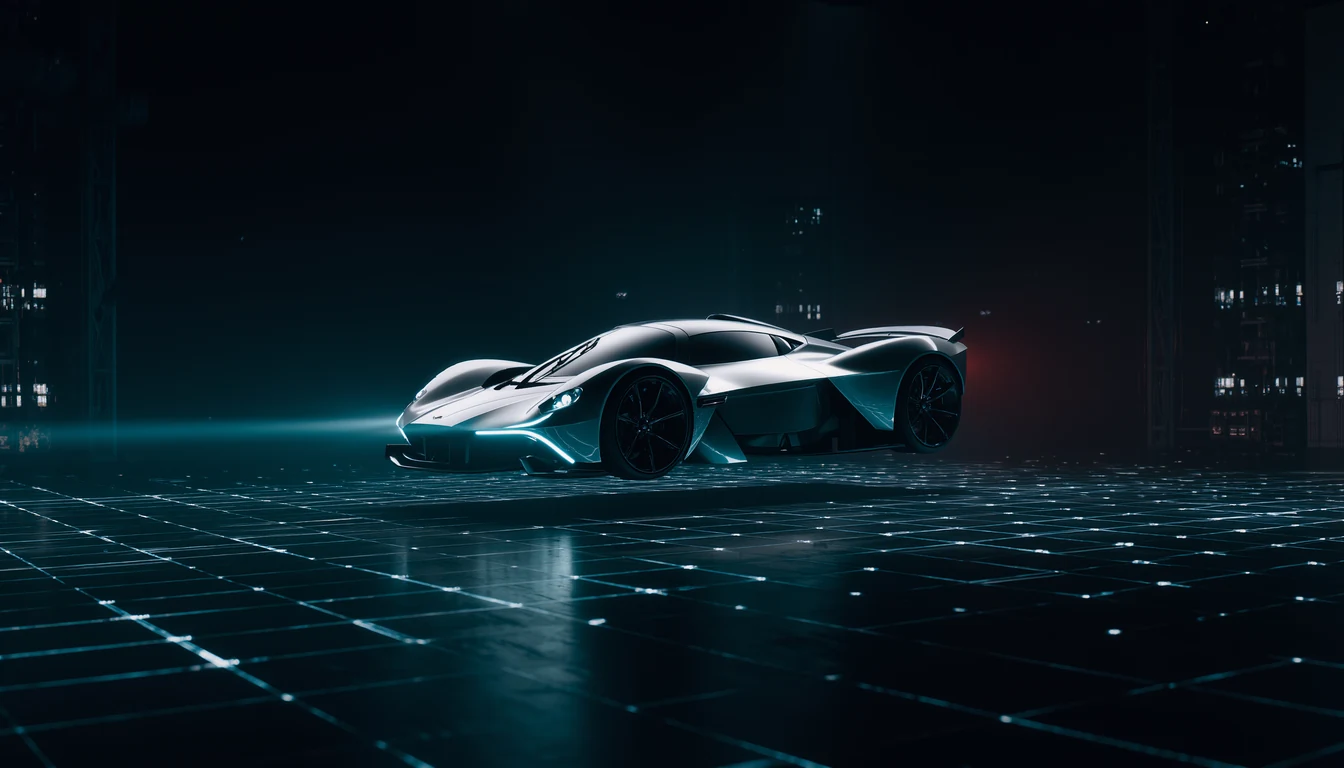
In recent years, the automotive industry has witnessed a remarkable transformation, largely driven by advancements in technology. Among these innovations, virtual reality (VR) has emerged as a game-changer, reshaping how manufacturers, designers, and consumers interact with vehicles. The rise of VR can be attributed to its ability to create immersive experiences that transcend traditional methods of engagement.
Car manufacturers are increasingly adopting VR to enhance design processes, streamline production, and elevate customer experiences. This technology allows engineers and designers to visualize concepts in three dimensions, enabling them to identify potential issues early in the development cycle and make informed decisions. Moreover, VR has become an essential tool for marketing and sales within the automotive sector.
By offering potential buyers the chance to experience a vehicle virtually, manufacturers can showcase their products in a more engaging and interactive manner. This shift not only enhances customer engagement but also allows brands to differentiate themselves in a competitive market. As consumers become more tech-savvy and demand personalized experiences, the automotive industry is embracing VR as a means to meet these expectations, paving the way for a new era of automotive interaction.
Key Takeaways
- Virtual reality is revolutionizing the automotive industry, offering new ways to experience hypercars.
- Hypercars represent the pinnacle of automotive engineering, showcasing cutting-edge technology and luxury.
- Virtual reality provides a new and immersive way to experience hypercars, allowing for a more accessible and interactive experience.
- The intersection of technology and luxury is evident in virtual reality hypercar experiences, offering a unique and innovative way to engage with high-end vehicles.
- Virtual reality is playing a key role in bringing hypercars to the masses, making these exclusive vehicles more accessible to a wider audience.
Hypercars: The Pinnacle of Automotive Engineering
Hypercars represent the zenith of automotive engineering, combining cutting-edge technology with unparalleled performance and design. These vehicles are not merely modes of transportation; they are masterpieces that embody the relentless pursuit of speed, power, and innovation. Hypercars are characterized by their extraordinary capabilities, often boasting top speeds exceeding 200 mph and acceleration that can rival fighter jets.
Manufacturers like Bugatti, McLaren, and Ferrari have pushed the boundaries of what is possible, creating machines that are as much about art as they are about engineering. The allure of hypercars lies not only in their performance but also in their exclusivity. With limited production runs and eye-watering price tags, owning a hypercar is a status symbol that signifies wealth and prestige.
Each hypercar is meticulously crafted, often featuring bespoke elements tailored to the owner’s preferences. This level of customization elevates the ownership experience, making it a personal journey that goes beyond mere possession. As hypercars continue to evolve, they remain at the forefront of automotive innovation, setting benchmarks for performance and design that other vehicles aspire to achieve.
Virtual Reality: A New Way to Experience Hypercars
Virtual reality has revolutionized how enthusiasts and potential buyers experience hypercars. Gone are the days when one had to visit a dealership or attend an auto show to get a glimpse of these extraordinary machines. With VR technology, users can step into a digital world where they can explore hypercars in stunning detail from the comfort of their homes.
This immersive experience allows individuals to interact with the vehicle’s features, examine its design from various angles, and even take virtual test drives on iconic tracks. The ability to experience hypercars through VR not only enhances accessibility but also democratizes the luxury car market. Enthusiasts who may never have the opportunity to own such vehicles can still engage with them in a meaningful way.
This virtual interaction fosters a deeper appreciation for the engineering marvels that hypercars represent. Furthermore, manufacturers can use VR to gather valuable feedback from potential customers during the design phase, ensuring that their creations resonate with the target audience before they hit the production line.
The Intersection of Technology and Luxury: Virtual Reality Hypercar Experiences
The fusion of technology and luxury is epitomized in virtual reality hypercar experiences. These experiences go beyond mere visual representation; they create an emotional connection between the user and the vehicle. Imagine donning a VR headset and finding yourself behind the wheel of a McLaren P1 or a Lamborghini Sián, feeling the rush of acceleration as you navigate through breathtaking landscapes or iconic racetracks. Luxury brands are leveraging VR to create bespoke experiences that cater to individual preferences. From customizing interior features to selecting paint colors and wheel designs, users can tailor their virtual hypercar to reflect their unique style.
This personalization aspect enhances the luxury experience, making it feel exclusive and tailored to each individual. As technology continues to advance, we can expect even more sophisticated VR experiences that blur the lines between reality and simulation, allowing users to indulge in their automotive fantasies like never before.
Bringing Hypercars to the Masses: Virtual Reality’s Role in Accessibility
While hypercars have traditionally been associated with exclusivity and high price tags, virtual reality is playing a pivotal role in making these extraordinary vehicles more accessible to a broader audience. By providing virtual experiences that simulate ownership and driving, manufacturers can engage potential buyers who may not have the financial means to purchase a hypercar outright. This democratization of luxury allows enthusiasts from various backgrounds to connect with hypercars on a deeper level.
Moreover, VR experiences can serve as educational tools for aspiring car enthusiasts. By immersing themselves in virtual environments where they can learn about the engineering principles behind hypercars, users gain insights into what makes these vehicles so special. This knowledge fosters a sense of appreciation for automotive craftsmanship and innovation, encouraging a new generation of enthusiasts who may one day contribute to the industry themselves.
The Impact of Virtual Reality on Hypercar Marketing and Sales
The integration of virtual reality into hypercar marketing strategies has transformed how manufacturers promote their products. Traditional advertising methods often fall short in conveying the true essence of hypercars, speed, power, and luxury. However, with VR technology, brands can create captivating narratives that immerse potential buyers in the world of hypercars.
Virtual showrooms allow customers to explore models in detail, interact with features, and even experience simulated drives, all from their devices. This innovative approach not only enhances customer engagement but also streamlines the sales process. By providing an interactive platform for potential buyers to explore hypercars at their own pace, manufacturers can gather valuable data on customer preferences and behaviors.
This information can inform future marketing strategies and product development efforts, ensuring that brands remain attuned to consumer desires in an ever-evolving market.
Virtual Reality: Enhancing the Hypercar Ownership Experience
Owning a hypercar is often seen as a dream come true for automotive enthusiasts; however, the experience doesn’t end with the purchase. Virtual reality is enhancing the ownership journey by providing owners with unique opportunities to connect with their vehicles on a deeper level. For instance, manufacturers can offer virtual tours of their production facilities or exclusive events where owners can interact with fellow enthusiasts in immersive environments.
Additionally, VR technology allows owners to customize their vehicles further after purchase. Through virtual platforms, they can experiment with different modifications or accessories before making real-world changes. This level of engagement not only enhances satisfaction but also fosters a sense of community among hypercar owners who share similar passions for performance and design.
The Future of Hypercar Design and Innovation in Virtual Reality
As virtual reality continues to evolve, its impact on hypercar design and innovation is poised to grow exponentially. Designers can leverage VR tools to create prototypes that are not only visually stunning but also functionally optimized for performance. By simulating real-world conditions within virtual environments, engineers can test aerodynamics, handling dynamics, and other critical factors before physical prototypes are built.
Furthermore, collaboration among teams becomes more efficient through VR technology. Designers from different parts of the world can come together in a shared virtual space to brainstorm ideas and iterate on designs in real-time. This collaborative approach fosters creativity and accelerates the development process, ultimately leading to groundbreaking innovations that push the boundaries of what hypercars can achieve.
Exploring the Limits: Virtual Reality Hypercar Racing
One of the most exhilarating applications of virtual reality in the automotive world is its role in racing simulations. VR hypercar racing experiences allow enthusiasts to step into the shoes of professional drivers as they navigate challenging tracks at breakneck speeds. These simulations provide an adrenaline-pumping experience that captures the essence of racing without any real-world risks.
Moreover, VR racing platforms often feature realistic physics engines that replicate how hypercars handle under various conditions. This level of realism not only entertains but also educates users about vehicle dynamics and driving techniques. As technology advances further, we can expect even more sophisticated racing simulations that blur the lines between gaming and reality, attracting both casual gamers and serious racing enthusiasts alike.
Virtual Reality: Redefining the Hypercar Industry
The integration of virtual reality into the hypercar industry is redefining how we perceive luxury automobiles. This shift is not just about showcasing vehicles; it’s about creating emotional connections between consumers and brands.
As manufacturers embrace VR technology as part of their core strategies, we can anticipate a future where hypercars are not merely products but experiences that resonate with consumers on multiple levels. The ability to engage with these vehicles through virtual platforms will continue to shape consumer expectations and redefine what it means to own a hypercar.
The Evolution of Virtual Reality Hypercar Experiences
The evolution of virtual reality hypercar experiences has been nothing short of remarkable. From simple visualizations to fully immersive environments where users can interact with every aspect of a vehicle’s design and performance, VR has come a long way in enhancing how we engage with hypercars. As technology continues to advance, be it through improved graphics, haptic feedback systems, or even AI-driven simulations, the possibilities for hypercar experiences are virtually limitless.
Looking ahead, we can expect even more innovative applications of VR within the hypercar industry. As manufacturers continue to explore new ways to engage consumers through immersive storytelling and interactive experiences, we may see collaborations between automotive brands and tech companies that push the boundaries of what’s possible in virtual environments. Ultimately, this evolution will not only redefine how we experience hypercars but also shape the future landscape of automotive culture itself.
In conclusion, virtual reality is revolutionizing every facet of the hypercar industry, from design and marketing to ownership experiences and accessibility. As this technology continues to evolve, it promises an exciting future where enthusiasts can engage with these extraordinary machines like never before while fostering a deeper appreciation for automotive engineering excellence.
FAQs
What is virtual reality (VR)?
Virtual reality (VR) is a computer-generated simulation of an environment that can be interacted with in a seemingly real or physical way by a person using special electronic equipment, such as a helmet with a screen inside or gloves fitted with sensors.What are hypercars?
Hypercars are the top tier of high-performance cars that are at the pinnacle of automotive engineering and design. They are known for their exceptional speed, power, and advanced technology.How are virtual reality and hypercars being combined?
Virtual reality is being used to showcase hypercars to celebrities and potential buyers in a more immersive and interactive way. This allows individuals to experience the hypercar in a virtual environment before making a purchase decision.Why are hypercars being showcased to stars using virtual reality?
Showcasing hypercars to stars using virtual reality allows for a more personalized and engaging experience. It also provides an opportunity for potential buyers to experience the hypercar in a unique and memorable way.What are the benefits of using virtual reality to showcase hypercars to stars?
Using virtual reality to showcase hypercars to stars allows for a more convenient and accessible way to experience the hypercar without the need for physical presence. It also provides a way to create a memorable and impactful impression on potential buyers.◦ FAQ
How is virtual reality changing the automotive industry?
Virtual reality is reshaping how manufacturers, designers and consumers interact with vehicles by creating immersive experiences that transcend traditional methods of engagement. Manufacturers are increasingly adopting it to enhance design processes, streamline production and elevate customer experiences.
How does VR help engineers and designers develop hypercars?
VR allows engineers and designers to visualize concepts in three dimensions, enabling them to identify potential issues early in the development cycle and make informed decisions. This helps refine both the engineering and the aesthetics before physical production begins.
Why are manufacturers using VR for marketing and sales?
By offering potential buyers the chance to experience a vehicle virtually, manufacturers can showcase their products in a more engaging and interactive manner. This enhances customer engagement and allows brands to differentiate themselves in a competitive market.
More in
More from Blog
Blog · 27 min
The Future of Hypercars: Electrification, Autonomy, and the Next Performance Frontier
The future of hypercars: how electrification, solid-state batteries, hybrid V16 powertrains, 3D printing, active aero, autonomy and eFuels redefine pe…
Blog · 29 min
Hypercar Maintenance Guide: The True Cost of Keeping an Automotive Masterpiece on the Road
Hypercar maintenance guide: real annual service costs from Bugatti and Koenigsegg to Pagani and Rimac, plus tire, brake and resale-value insights for …

Blog · 24 min
Hypercar Events Worldwide: The Ultimate Calendar for Collectors and Enthusiasts
Hypercar events worldwide: a collector’s calendar from Monterey Car Week and Goodwood to Villa d’Este, Top Marques Monaco, elite rallies a…