Blog · Blog
Hypercars: Virtual vs. Reality
Hypercars represent the pinnacle of automotive engineering, a category that transcends traditional supercars with their unparalleled performance, cutting-edge technology, and exclu…
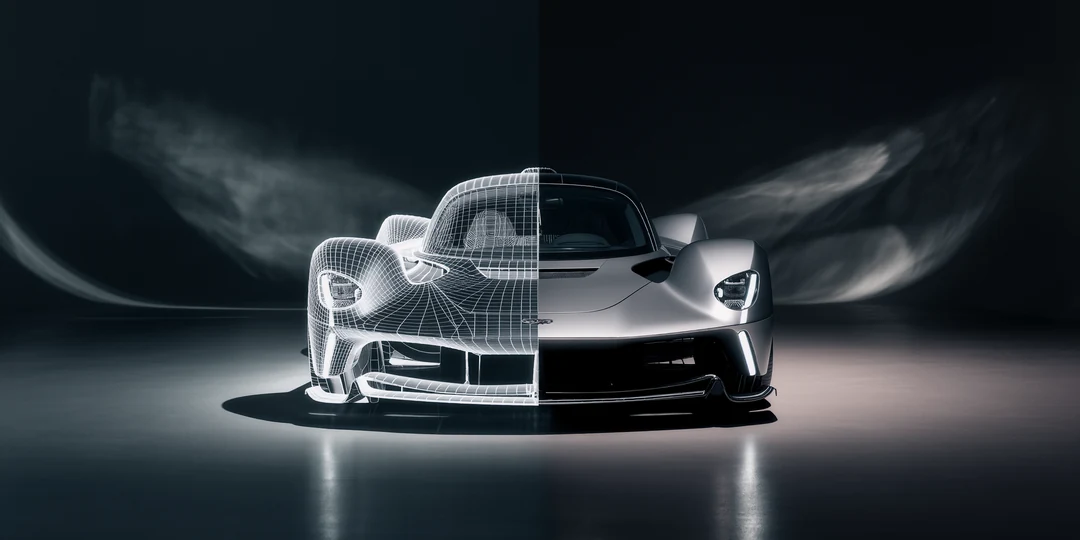
Hypercars represent the pinnacle of automotive engineering, a category that transcends traditional supercars with their unparalleled performance, cutting-edge technology, and exclusive design. These vehicles are not merely modes of transportation; they are masterpieces of art and engineering, often produced in limited quantities and priced in the millions. Brands like Bugatti, McLaren, and Ferrari have become synonymous with hypercars, pushing the boundaries of speed, power, and luxury.
The allure of hypercars lies not only in their specifications but also in the lifestyle they embody, a lifestyle characterized by prestige, innovation, and a passion for the extraordinary. The hypercar lifestyle is one that attracts a select group of enthusiasts who appreciate the finer things in life. Owning a hypercar is often seen as a status symbol, a testament to one’s success and taste.
These vehicles are frequently showcased at exclusive events, luxury car shows, and private track days, where owners can indulge in their passion for speed and performance. The hypercar community is vibrant and dynamic, with members sharing their experiences through social media, forums, and clubs dedicated to these remarkable machines. As technology continues to evolve, so too does the way enthusiasts engage with hypercars, leading to exciting new developments in virtual reality.
Key Takeaways
- Hypercars are high-performance, limited-production vehicles that are at the pinnacle of automotive engineering and design.
- Virtual reality is becoming increasingly prevalent in the automotive industry, offering immersive experiences and new opportunities for car enthusiasts.
- Virtual reality enhances the appeal of hypercars by allowing users to experience them in a realistic and interactive way, regardless of physical location.
- Experiencing hypercars in virtual reality offers advantages such as accessibility, cost-effectiveness, and the ability to customize and personalize the experience.
- While virtual reality provides immersive experiences, it may not fully capture the true essence of hypercars, including the physical sensations and real-world driving dynamics.
The Rise of Virtual Reality in the Automotive Industry
In recent years, virtual reality (VR) has emerged as a transformative force within the automotive industry. This technology allows users to immerse themselves in a digital environment that simulates real-world experiences, making it an invaluable tool for manufacturers, designers, and consumers alike. The rise of VR can be attributed to advancements in hardware and software that have made it more accessible and affordable.
As a result, automotive companies are increasingly leveraging VR to enhance various aspects of their operations, from design and engineering to marketing and customer engagement. One of the most significant impacts of VR in the automotive sector is its ability to streamline the design process. Engineers and designers can create virtual prototypes of vehicles, allowing them to visualize and test concepts before committing to physical production.
This not only saves time and resources but also fosters innovation by enabling rapid iteration and experimentation. Furthermore, VR has become an essential tool for training purposes, allowing employees to practice skills in a safe and controlled environment. As the automotive industry continues to embrace digital transformation, the integration of VR technology is set to redefine how vehicles are designed, marketed, and experienced.
The Appeal of Hypercars in Virtual Reality
The appeal of hypercars in virtual reality is multifaceted, offering enthusiasts an opportunity to engage with these extraordinary machines in ways that were previously unimaginable. Through VR experiences, users can virtually step inside the cockpit of a hypercar, feeling the rush of acceleration as they navigate through stunning digital landscapes. This immersive experience allows individuals to appreciate the intricate details of hypercar interiors and exteriors without the constraints of physical limitations or geographical boundaries.
Moreover, VR provides a platform for enthusiasts to explore hypercars from various angles and perspectives. Users can examine the engineering marvels that lie beneath the surface, such as advanced aerodynamics, hybrid powertrains, and cutting-edge materials, while gaining insights into what makes each model unique. This level of engagement fosters a deeper appreciation for hypercars as not just vehicles but as symbols of human ingenuity and creativity.
As VR technology continues to evolve, the potential for creating even more realistic and engaging experiences will only enhance the allure of hypercars.
The Advantages of Experiencing Hypercars in Virtual Reality
Experiencing hypercars in virtual reality offers numerous advantages that cater to both enthusiasts and potential buyers. One of the most significant benefits is accessibility; not everyone has the opportunity or means to own or test-drive a hypercar. VR allows individuals from all walks of life to experience the thrill of driving these extraordinary machines without the financial burden or logistical challenges associated with ownership.
This democratization of access opens up new avenues for engagement and appreciation among a broader audience. Additionally, VR experiences can be tailored to individual preferences, allowing users to customize their virtual driving experience. Whether it’s selecting different models, adjusting performance settings, or choosing scenic routes, VR provides a level of personalization that enhances user satisfaction.
Furthermore, these experiences can be shared with friends or fellow enthusiasts through social media platforms, fostering community engagement and sparking conversations about hypercars. In this way, virtual reality not only serves as a tool for individual enjoyment but also as a means of connecting people who share a passion for automotive excellence.
The Limitations of Virtual Reality in Capturing the True Essence of Hypercars
While virtual reality offers exciting opportunities for experiencing hypercars, it is essential to acknowledge its limitations in capturing the true essence of these vehicles. One significant drawback is the inability to replicate the sensory experience associated with driving a hypercar, namely, the sound of the engine roaring to life, the feel of the steering wheel in one’s hands, and the adrenaline rush that accompanies high-speed acceleration. These visceral sensations are integral to the hypercar experience and cannot be fully conveyed through a digital medium.
Moreover, while VR can simulate driving scenarios and environments, it lacks the unpredictability and excitement of real-world driving conditions. Factors such as road texture, weather variations, and traffic dynamics contribute to the overall driving experience but are challenging to replicate accurately in a virtual setting. As such, while VR can provide an engaging introduction to hypercars, it may fall short of delivering the complete thrill that comes from physically being behind the wheel of one of these extraordinary machines.
The Impact of Virtual Reality on Hypercar Design and Development
Virtual reality is revolutionizing the design and development processes within the hypercar industry. By allowing designers and engineers to visualize their concepts in a three-dimensional space, VR facilitates collaboration and innovation at unprecedented levels. Teams can work together seamlessly across different locations, sharing ideas and making real-time adjustments to designs without the need for physical prototypes.
This not only accelerates the development timeline but also encourages creativity by enabling designers to experiment with unconventional ideas. Furthermore, VR technology allows manufacturers to conduct virtual testing on their designs before they hit the production line. Engineers can simulate various driving conditions and performance scenarios to assess how a hypercar will behave under different circumstances.
This capability significantly reduces the risk of costly design flaws and enhances overall vehicle safety. As hypercar manufacturers continue to embrace VR technology, we can expect even more groundbreaking designs that push the limits of performance and aesthetics.
The Role of Virtual Reality in Hypercar Marketing and Promotion
In an increasingly competitive market, effective marketing strategies are crucial for hypercar manufacturers looking to capture the attention of potential buyers. Virtual reality has emerged as a powerful tool for marketing these exclusive vehicles by providing immersive experiences that engage consumers on a deeper level. Through VR showrooms or interactive advertisements, potential buyers can explore hypercars in detail without ever stepping foot inside a dealership.
These immersive marketing experiences allow manufacturers to showcase their vehicles’ unique features and capabilities in ways that traditional advertising cannot achieve. For instance, potential buyers can virtually test-drive a hypercar on iconic racetracks or scenic routes around the world, creating an emotional connection with the brand that transcends mere product specifications. By leveraging VR technology in their marketing efforts, hypercar manufacturers can create memorable experiences that resonate with consumers long after they have put on their VR headsets.
The Integration of Virtual Reality in Hypercar Showrooms and Dealerships
As consumer expectations evolve in an increasingly digital world, hypercar showrooms and dealerships are beginning to integrate virtual reality into their physical spaces. This integration allows potential buyers to experience hypercars in an interactive environment that enhances their purchasing journey. By incorporating VR stations within showrooms, dealerships can offer customers an opportunity to explore various models virtually before making a decision.
This innovative approach not only elevates the customer experience but also streamlines the sales process. Additionally, this technology enables dealerships to showcase limited-edition models or concept cars that may not be physically available on-site.
By embracing virtual reality within their showrooms, hypercar dealerships can create an engaging atmosphere that captivates potential buyers while reinforcing their brand’s commitment to innovation.
The Future of Hypercars: Balancing Virtual and Real-world Experiences
As technology continues to advance at an unprecedented pace, the future of hypercars will likely involve a delicate balance between virtual experiences and real-world interactions. While virtual reality offers exciting opportunities for engagement and exploration, it cannot replace the thrill of physically driving a hypercar on open roads or racetracks. Therefore, manufacturers must find ways to integrate both realms seamlessly, creating experiences that allow enthusiasts to enjoy the best of both worlds.
One potential avenue for achieving this balance is through hybrid events that combine virtual elements with real-world experiences. For instance, manufacturers could host exclusive track days where participants can drive their hypercars while also offering virtual experiences for those unable to attend in person. This approach would allow brands to reach a wider audience while maintaining an intimate connection with their core enthusiasts.
As we look ahead, it will be fascinating to see how hypercar manufacturers navigate this evolving landscape while continuing to push boundaries in both design and technology.
The Evolution of Hypercar Enthusiast Communities in Virtual Reality
The rise of virtual reality has also transformed how hypercar enthusiasts connect with one another. Online communities dedicated to hypercars have flourished within virtual environments where members can share experiences, discuss trends, and even participate in virtual racing events. These communities foster camaraderie among enthusiasts who may never have met otherwise due to geographical constraints or differing lifestyles.
Moreover, virtual reality platforms provide opportunities for brands to engage directly with their audience through events such as virtual car shows or Q&A sessions with designers and engineers. This level of interaction strengthens brand loyalty while allowing enthusiasts to feel more connected to their favorite manufacturers. As these communities continue to evolve within virtual spaces, they will play an increasingly vital role in shaping the future landscape of hypercar culture.
Embracing the Virtual and Real Worlds of Hypercars
In conclusion, the intersection of hypercars and virtual reality represents an exciting frontier for automotive enthusiasts and manufacturers alike. While VR offers unparalleled opportunities for engagement and exploration, allowing individuals from all walks of life to experience these extraordinary machines, it is essential not to overlook the irreplaceable thrill that comes from real-world interactions with hypercars. As technology continues to advance, finding ways to harmonize these two realms will be crucial for fostering appreciation among both existing fans and new audiences.
The future holds immense potential for innovation within both hypercar design and community engagement as we embrace this duality between virtual experiences and tangible realities. By leveraging cutting-edge technologies while remaining rooted in tradition, hypercar manufacturers can continue pushing boundaries while ensuring that their legacy endures for generations to come. Ultimately, whether experienced through a headset or behind the wheel, hypercars will always embody a spirit of adventure that captivates hearts around the globe.
FAQs
What are hypercars?
Hypercars are a category of extremely high-performance, limited-production sports cars. They are known for their cutting-edge technology, top speeds, and high price tags.How are hypercars represented in video games?
In video games, hypercars are often featured as highly sought-after vehicles that players can drive and customize. They are typically included in racing games and are known for their speed, handling, and visual appeal.How do hypercars compare in video games vs. real life?
In video games, hypercars are often portrayed as more accessible and easier to obtain than in real life. Players can drive them without the constraints of cost or rarity. In real life, hypercars are extremely rare and expensive, and their performance is limited to real-world physics and regulations.What are some popular hypercars featured in video games?
Popular hypercars featured in video games include the Bugatti Veyron, Koenigsegg Agera, McLaren P1, and the Lamborghini Aventador. These cars are often included in racing games such as Forza Motorsport and Gran Turismo.Are hypercars accurately represented in video games?
While video games strive for realism, the representation of hypercars in games may not always be completely accurate. Factors such as handling, speed, and sound may be exaggerated or simplified for gameplay purposes. However, game developers often work closely with car manufacturers to ensure a high level of accuracy.More in
More from Blog
Blog · 27 min
The Future of Hypercars: Electrification, Autonomy, and the Next Performance Frontier
The future of hypercars: how electrification, solid-state batteries, hybrid V16 powertrains, 3D printing, active aero, autonomy and eFuels redefine pe…
Blog · 29 min
Hypercar Maintenance Guide: The True Cost of Keeping an Automotive Masterpiece on the Road
Hypercar maintenance guide: real annual service costs from Bugatti and Koenigsegg to Pagani and Rimac, plus tire, brake and resale-value insights for …

Blog · 24 min
Hypercar Events Worldwide: The Ultimate Calendar for Collectors and Enthusiasts
Hypercar events worldwide: a collector’s calendar from Monterey Car Week and Goodwood to Villa d’Este, Top Marques Monaco, elite rallies a…