Blog · Blog
Will AI Power Future Hypercars?
The automotive industry has witnessed a remarkable transformation over the past few decades, with hypercars standing at the pinnacle of this evolution. These high-performance vehic…
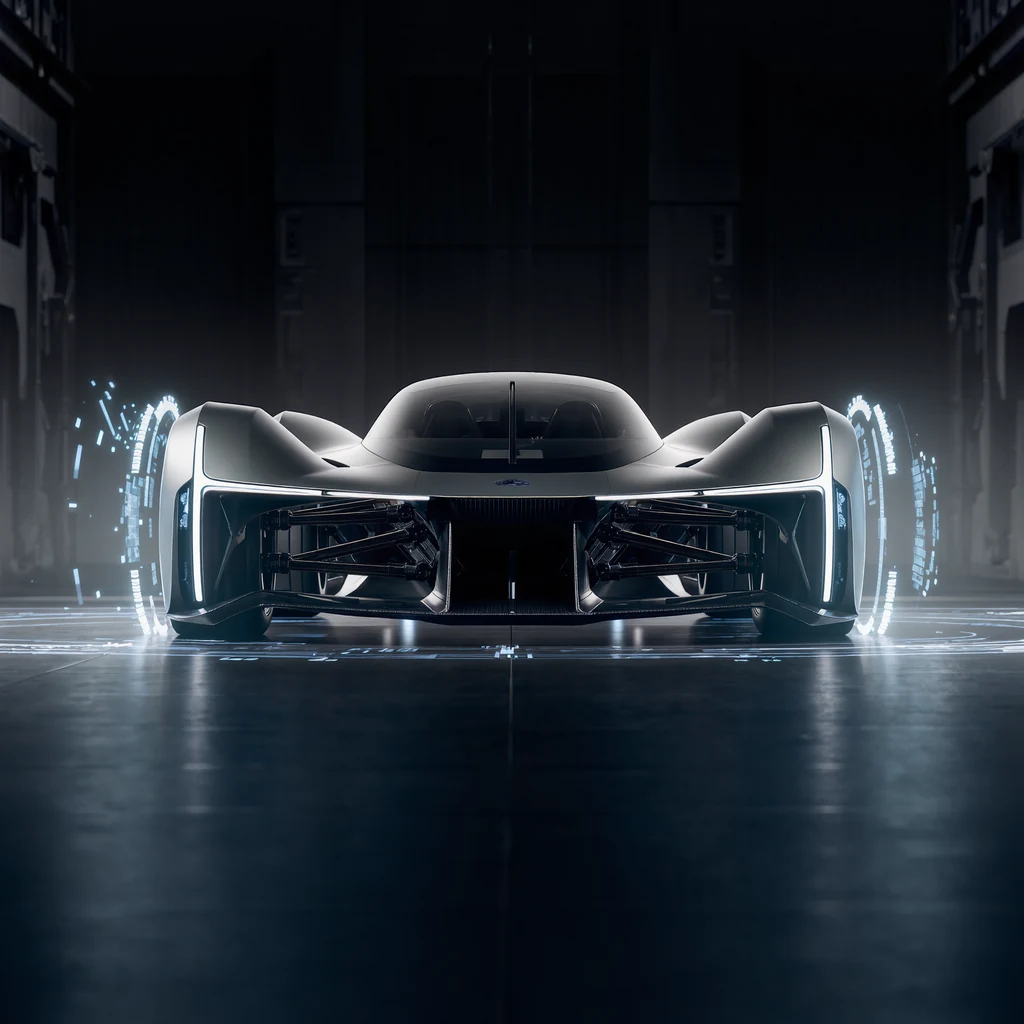
The automotive industry has witnessed a remarkable transformation over the past few decades, with hypercars standing at the pinnacle of this evolution. These high-performance vehicles, characterized by their extraordinary speed, cutting-edge technology, and exclusive design, are now increasingly integrating artificial intelligence (AI) into their frameworks. The marriage of hypercars and AI is not merely a trend; it represents a paradigm shift in how these vehicles are conceived, engineered, and experienced.
As manufacturers strive to push the boundaries of performance and luxury, AI emerges as a crucial player, enhancing every aspect of hypercar development and ownership. AI’s integration into hypercars is not just about adding a layer of sophistication; it fundamentally alters the driving experience. From real-time data analysis to predictive algorithms, AI technologies are being harnessed to create vehicles that are not only faster but also smarter.
This synergy between human ingenuity and machine learning is paving the way for innovations that were once confined to the realm of science fiction. As we delve deeper into the various facets of AI in hypercars, it becomes evident that this technology is reshaping the future of automotive excellence.
Key Takeaways
- AI is revolutionizing the hypercar industry by enhancing performance, safety, customization, energy efficiency, maintenance, design, connectivity, and autonomous driving.
- AI plays a crucial role in enhancing hypercar performance by optimizing engine and transmission systems, improving aerodynamics, and enhancing driving dynamics.
- AI-driven safety features in hypercars include advanced driver assistance systems, collision avoidance technology, and predictive analytics to prevent accidents.
- AI is enabling autonomous driving in hypercars through advanced sensors, cameras, and machine learning algorithms for navigation and decision-making.
- AI enables customization and personalization in hypercars through predictive analytics, voice recognition, and adaptive user interfaces for a personalized driving experience.
The Role of AI in Enhancing Performance
One of the most significant contributions of AI in hypercars is its ability to enhance performance through advanced data analytics and real-time decision-making. This data includes information on tire pressure, engine temperature, aerodynamic efficiency, and even driver behavior.
By processing this information in real-time, AI can optimize performance parameters, ensuring that the vehicle operates at its peak under varying conditions. Moreover, AI algorithms can adapt to different driving styles, allowing for a more personalized experience. For instance, if a driver prefers aggressive acceleration and sharp cornering, the AI can adjust the vehicle’s settings accordingly, fine-tuning aspects such as throttle response and suspension stiffness.
This level of customization not only enhances performance but also creates a deeper connection between the driver and the machine. The result is a hypercar that feels uniquely tailored to its owner, providing an exhilarating driving experience that is both thrilling and intuitive.
AI-Driven Safety Features in Hypercars
Safety is paramount in the world of hypercars, where speeds can exceed 200 mph. AI plays a pivotal role in enhancing safety features, making these high-performance vehicles not only faster but also safer. Advanced driver-assistance systems (ADAS) powered by AI can monitor the vehicle’s surroundings, detecting potential hazards and responding in real-time.
For example, AI can analyze data from cameras and sensors to identify obstacles, pedestrians, or other vehicles, allowing for automatic braking or evasive maneuvers when necessary. Additionally, AI can learn from past driving behaviors and accident data to predict potential risks. By analyzing patterns in driving habits and environmental conditions, AI systems can provide drivers with alerts or recommendations to avoid dangerous situations.
This proactive approach to safety not only protects the driver but also enhances overall road safety by reducing the likelihood of accidents. As hypercars continue to push the limits of speed and performance, integrating AI-driven safety features becomes essential in ensuring that these vehicles remain safe for both drivers and pedestrians alike.
AI and Autonomous Driving in Hypercars
The concept of autonomous driving has long been a topic of fascination within the automotive industry, and hypercars are no exception to this trend. While many hypercar enthusiasts relish the thrill of manual driving, the integration of AI-driven autonomous features offers a glimpse into a future where drivers can choose between exhilarating control and effortless cruising. Advanced AI algorithms enable hypercars to navigate complex environments with precision, utilizing a combination of sensors, cameras, and machine learning to interpret real-time data.
Incorporating autonomous driving capabilities into hypercars presents unique challenges due to their high performance and speed. However, manufacturers are increasingly developing systems that allow for semi-autonomous features such as adaptive cruise control and lane-keeping assistance. These systems not only enhance convenience during long drives but also provide an added layer of safety by reducing driver fatigue.
As technology continues to evolve, the prospect of fully autonomous hypercars may become a reality, allowing drivers to experience the thrill of high-speed travel without the demands of active control.
AI-Enabled Customization and Personalization
One of the most exciting aspects of AI in hypercars is its ability to facilitate customization and personalization for owners. Hypercar buyers often seek exclusivity and individuality in their vehicles, and AI technologies can help achieve this by analyzing preferences and suggesting tailored options. From interior materials to performance settings, AI can curate a unique configuration that reflects the owner’s tastes and lifestyle.
For instance, an AI system could analyze a driver’s preferences based on their previous interactions with the vehicle or even their social media activity. By understanding what features resonate most with the owner, be it specific color schemes or performance enhancements, manufacturers can offer bespoke options that elevate the ownership experience. This level of personalization not only enhances customer satisfaction but also fosters a deeper emotional connection between the driver and their hypercar.
AI and Energy Efficiency in Hypercars
As environmental concerns continue to shape the automotive landscape, energy efficiency has become a critical focus for hypercar manufacturers. AI plays a vital role in optimizing energy consumption without compromising performance. By analyzing driving patterns and environmental conditions, AI systems can adjust power delivery and energy management strategies to maximize efficiency.
For example, hybrid hypercars equipped with AI can intelligently switch between electric and combustion power based on real-time data. This capability allows for seamless transitions that enhance fuel efficiency while maintaining exhilarating performance levels. Additionally, AI can optimize aerodynamics by adjusting active aerodynamic elements based on speed and driving conditions, further improving energy efficiency.
As hypercars embrace sustainability without sacrificing performance, AI stands at the forefront of this evolution.
AI-Driven Predictive Maintenance
Predictive maintenance is another area where AI is making significant strides in hypercar technology. By leveraging data from various sensors throughout the vehicle, AI systems can monitor components’ health in real-time and predict potential failures before they occur. This proactive approach not only minimizes downtime but also enhances overall reliability, a crucial factor for high-performance vehicles.
For instance, an AI system could analyze engine performance metrics over time to identify patterns that indicate wear or impending failure. By alerting drivers to potential issues before they escalate into serious problems, manufacturers can ensure that hypercars remain in peak condition. This level of foresight not only enhances the ownership experience but also contributes to long-term value retention for these high-end vehicles.
The Impact of AI on Hypercar Design
The integration of AI into hypercar design processes is revolutionizing how manufacturers approach vehicle development. Traditionally, design has relied heavily on human intuition and experience; however, AI introduces data-driven insights that can inform every stage of the design process. From aerodynamics to weight distribution, AI algorithms can simulate various design scenarios and predict their impact on performance.
Moreover, generative design: a process where AI creates multiple design iterations based on specified parameters, allows engineers to explore innovative shapes and structures that may not have been conceived through traditional methods. This approach not only enhances performance but also contributes to aesthetic appeal by pushing the boundaries of automotive design. As hypercar manufacturers embrace these advanced design techniques powered by AI, we can expect to see increasingly bold and innovative vehicles on the road.
AI and Connectivity in Hypercars
Connectivity is becoming an integral aspect of modern hypercars, with AI serving as a bridge between vehicles and their digital ecosystems. Through advanced connectivity features, hypercars can communicate with other devices, infrastructure, and even each other, creating a seamless integration between technology and transportation. This connectivity allows for enhanced navigation systems that leverage real-time traffic data to optimize routes or suggest alternative paths based on current conditions. This capability ensures that hypercar owners always have access to the latest advancements in technology and performance enhancements. As connectivity continues to evolve, hypercars will become increasingly integrated into smart city infrastructures, paving the way for more efficient transportation solutions.
Challenges and Limitations of AI in Hypercars
Despite the numerous advantages that AI brings to hypercars, several challenges and limitations must be addressed as this technology continues to evolve. One significant concern is the reliance on data accuracy; if sensors or algorithms malfunction or provide incorrect information, it could lead to suboptimal performance or safety risks. Ensuring robust data integrity is crucial for maintaining trust in AI systems within high-performance vehicles.
Additionally, there are ethical considerations surrounding autonomous driving capabilities. As hypercars incorporate more autonomous features, questions arise regarding liability in case of accidents or malfunctions. Manufacturers must navigate these complexities while ensuring compliance with evolving regulations governing autonomous vehicles.
Balancing innovation with safety and ethical considerations will be essential as hypercar manufacturers continue to integrate AI technologies into their offerings.
The Future of AI-Powered Hypercars
Looking ahead, the future of AI-powered hypercars appears promising as technology continues to advance at an unprecedented pace. We can expect further innovations in performance optimization, safety features, customization options, energy efficiency solutions, predictive maintenance capabilities, design processes, connectivity enhancements, and autonomous driving technologies. As manufacturers invest heavily in research and development focused on integrating AI into their vehicles’ DNA, we may witness a new era of hypercars that redefine what is possible in automotive engineering.
Moreover, as consumer expectations evolve alongside technological advancements, hypercar manufacturers will need to remain agile in adapting their offerings to meet these demands. The fusion of luxury with cutting-edge technology will continue to attract discerning buyers seeking unparalleled experiences behind the wheel. Ultimately, as we embrace this exciting future filled with possibilities driven by artificial intelligence within hypercars, one thing remains certain: innovation will be at the heart of every journey taken in these extraordinary machines.
FAQs
What is AI?
AI, or artificial intelligence, refers to the simulation of human intelligence in machines that are programmed to think and act like humans. This includes tasks such as learning, problem-solving, and decision-making.What are hypercars?
Hypercars are a category of high-performance, super-expensive sports cars that are at the pinnacle of automotive engineering and design. They are known for their exceptional speed, power, and advanced technology.How is AI currently being used in cars?
AI is currently being used in cars for various purposes, including autonomous driving, predictive maintenance, natural language processing for in-car voice assistants, and advanced driver assistance systems (ADAS) for safety features.Will AI drive the hypercars of the future?
There is a possibility that AI will play a significant role in driving the hypercars of the future. AI technology has the potential to enhance performance, safety, and overall driving experience in hypercars through advanced driver assistance systems and autonomous driving capabilities.What are the potential benefits of AI driving hypercars?
The potential benefits of AI driving hypercars include improved safety through advanced driver assistance systems, enhanced performance through AI-powered predictive analytics, and the possibility of fully autonomous driving for a more convenient and enjoyable driving experience.More in
More from Blog
Blog · 27 min
The Future of Hypercars: Electrification, Autonomy, and the Next Performance Frontier
The future of hypercars: how electrification, solid-state batteries, hybrid V16 powertrains, 3D printing, active aero, autonomy and eFuels redefine pe…
Blog · 29 min
Hypercar Maintenance Guide: The True Cost of Keeping an Automotive Masterpiece on the Road
Hypercar maintenance guide: real annual service costs from Bugatti and Koenigsegg to Pagani and Rimac, plus tire, brake and resale-value insights for …

Blog · 24 min
Hypercar Events Worldwide: The Ultimate Calendar for Collectors and Enthusiasts
Hypercar events worldwide: a collector’s calendar from Monterey Car Week and Goodwood to Villa d’Este, Top Marques Monaco, elite rallies a…