Bugatti Veyron Grand Sport Vitesse in Polished Aluminium: a One-off Comes Home to Molsheim
Built for one collector, back in Molsheim more than a decade later: how Bugatti certified a Veyron Grand Sport Vitesse with a bare, polished aluminium body and handed it to a new owner.
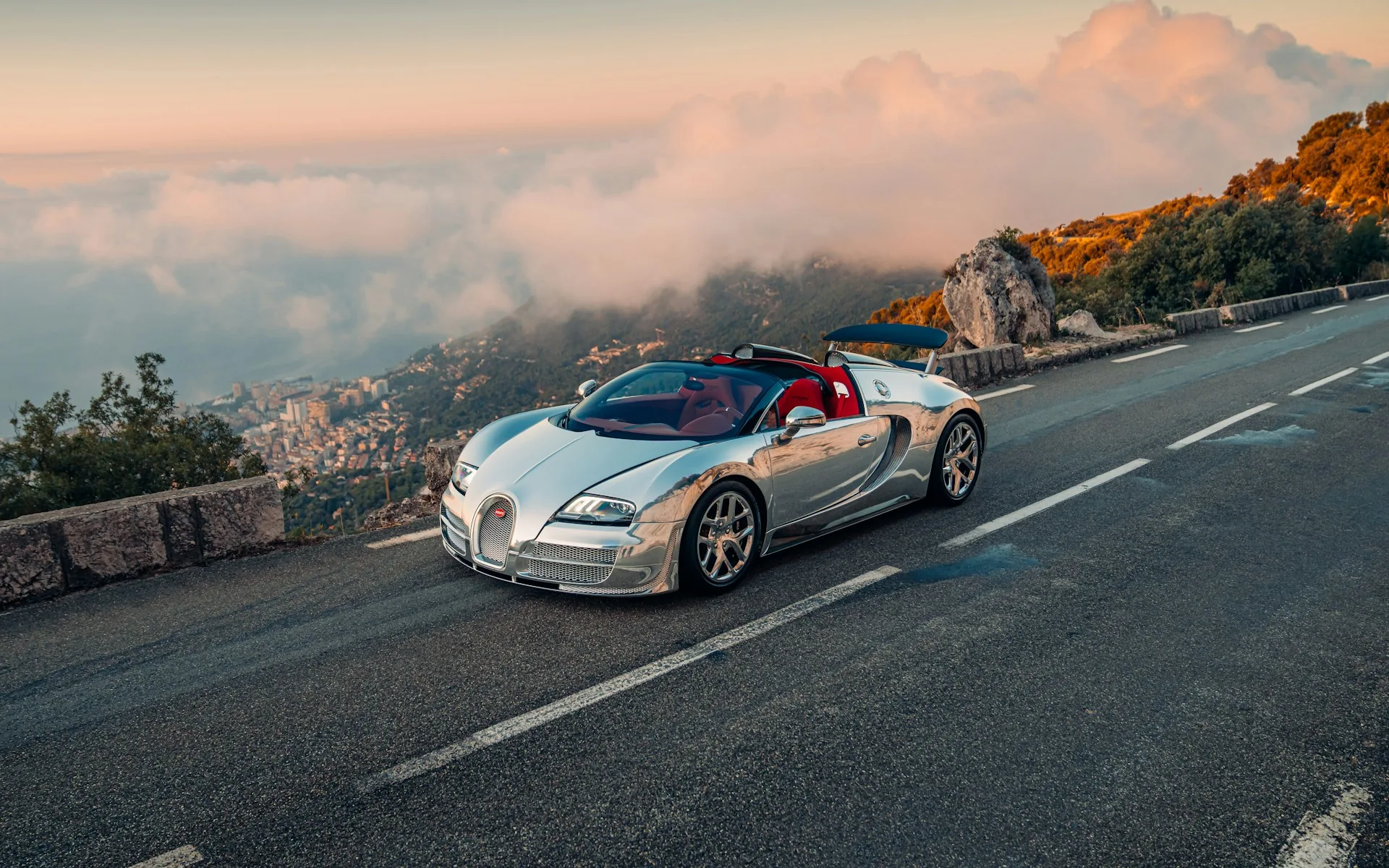
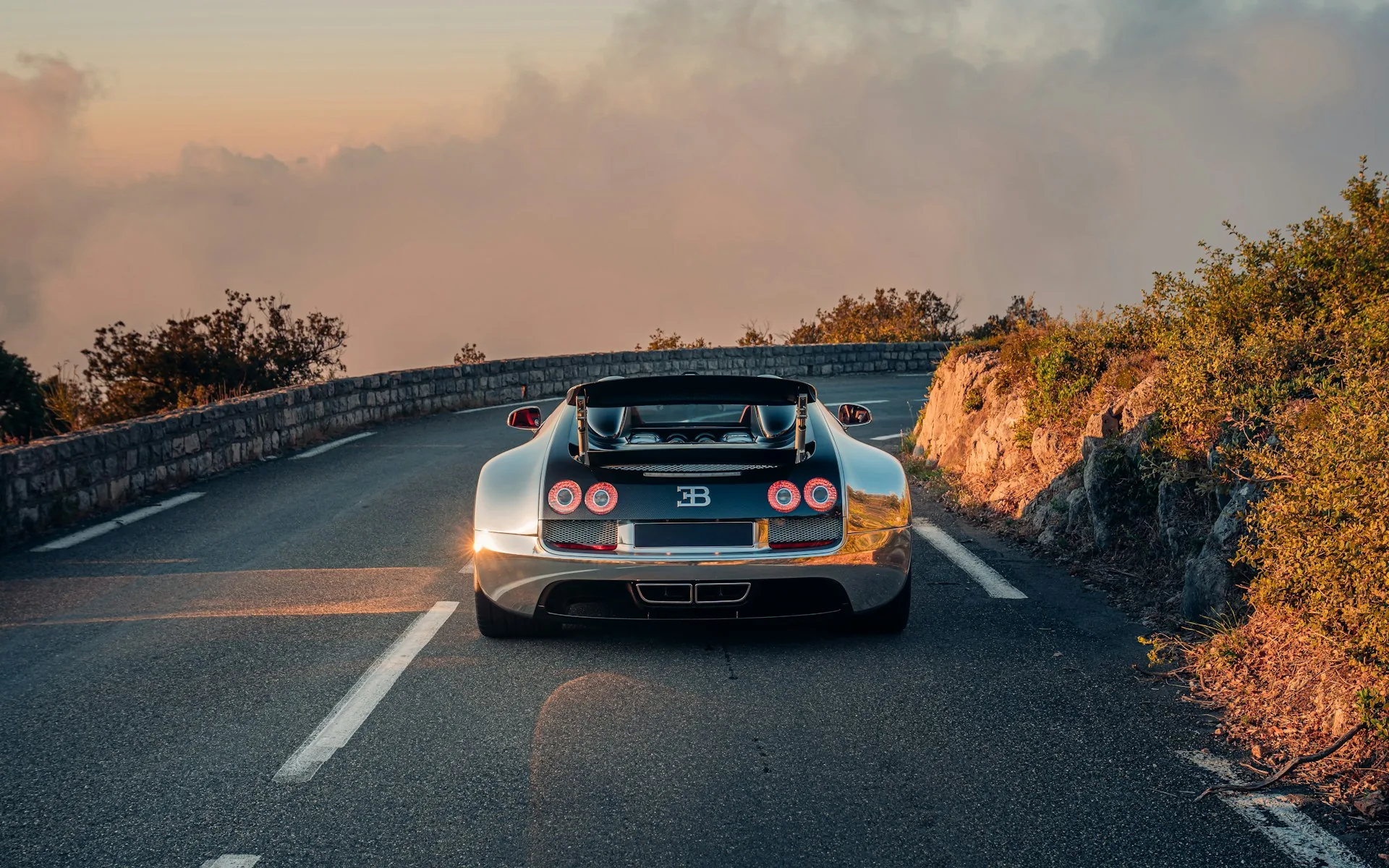
Even by Molsheim standards, this Veyron is a rarity. Bugatti has told the story of a Veyron Grand Sport Vitesse whose body is not painted at all but made of exposed, polished aluminium. Chassis 8.100 was built for a single customer, came back to the factory more than a decade later and has now been certified under La Maison Pur Sang, the Bugatti programme for heritage, certification and restoration. It has since passed to a new owner.
A body in bare metal
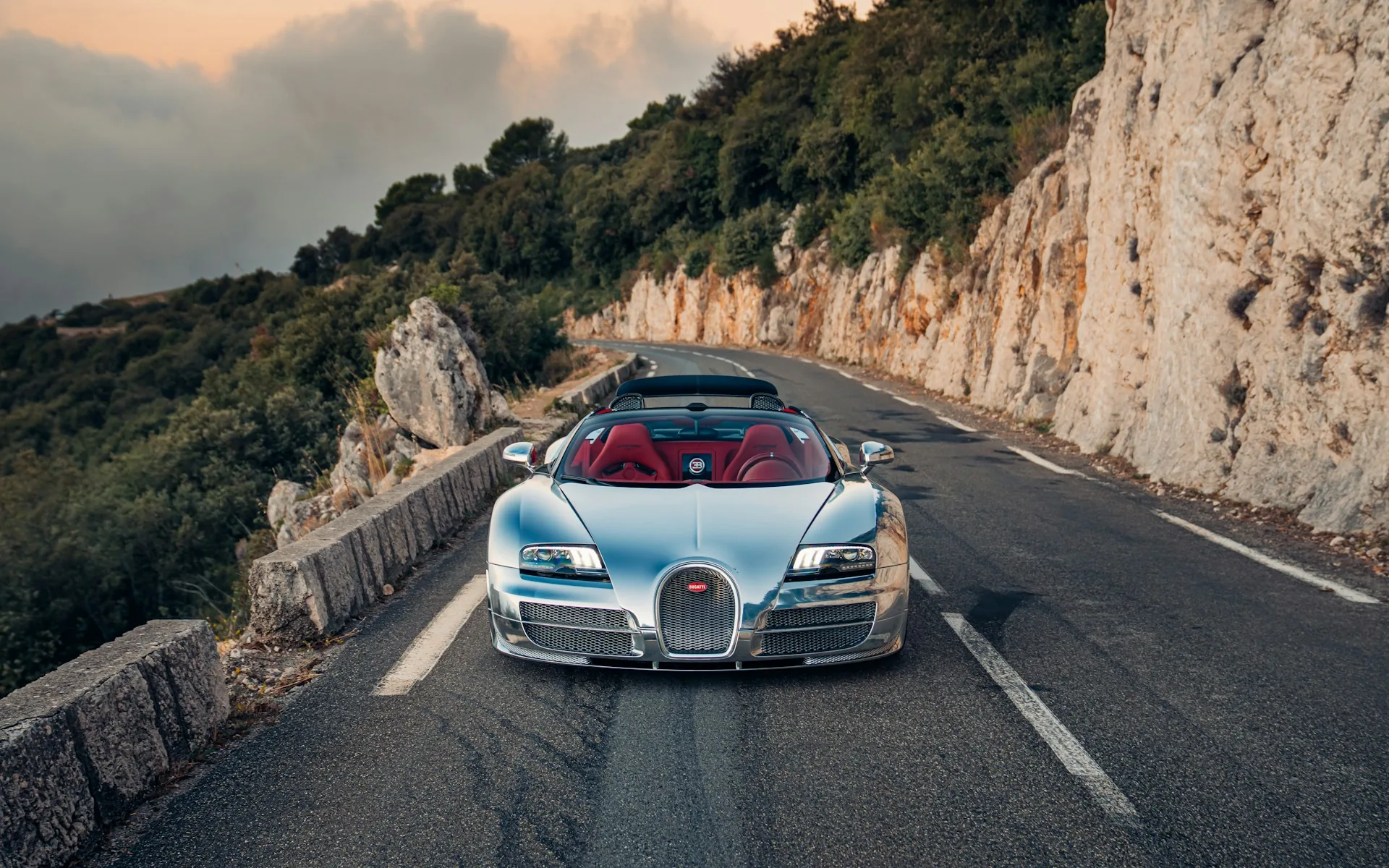
The original order came from a collector known for his taste in rare and highly individual cars. His idea broke with the usual recipe for a Veyron: instead of paint, the body shows aluminium polished to a mirror finish, so that the material itself becomes the design. The effort behind it was considerable. According to Bugatti, aluminium blocks weighing up to 20 tons had to be delivered to Molsheim for the project.
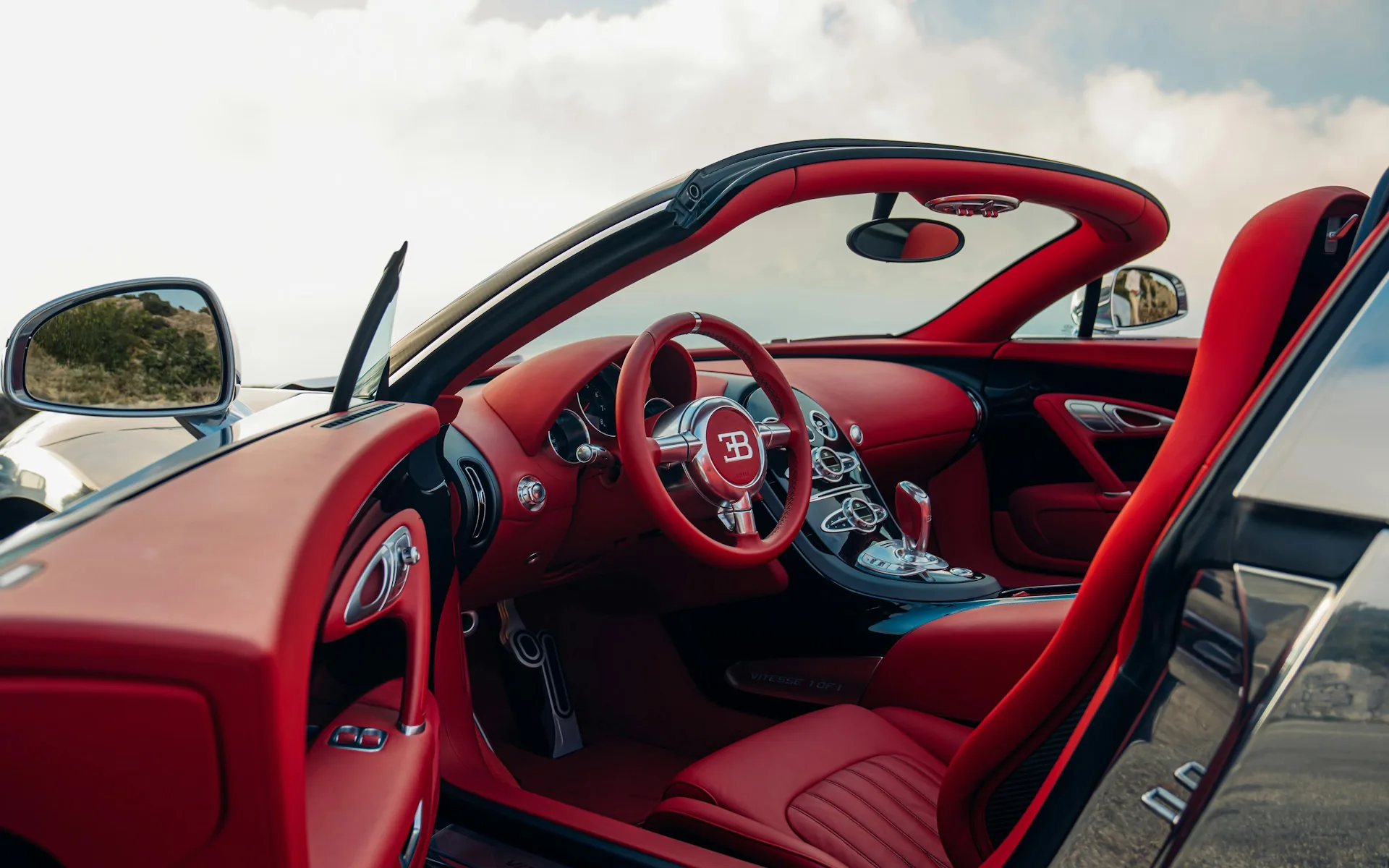
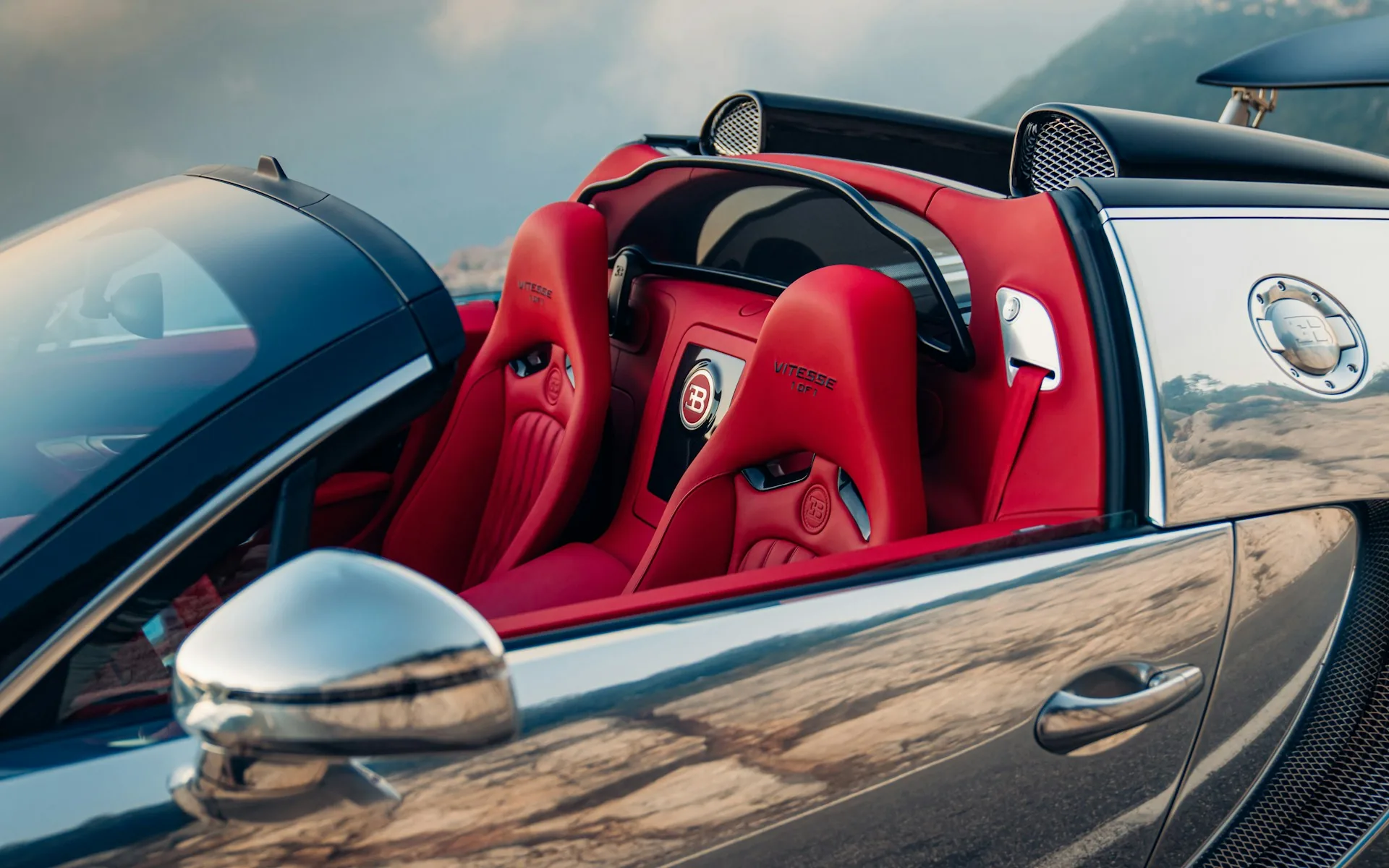
Inside, the contrast could hardly be stronger. The cabin is trimmed in leather in 'Carmine Red' and combined with exposed carbon fibre, polished aluminium and handcrafted details. Bugatti says each element was chosen as much for its artistic effect as for its technical role.
Studied first, then built by hand
Long before the car reached the workshop, the design team ran extensive studies on proportion, surface and light, the factors that decide how a polished body looks in the sun. Once the design was settled, the project moved into the Bugatti Atelier in Molsheim, where master craftsmen built the car. Every stage of the build was documented, which left a lasting record of one of the most ambitious projects of the Veyron era.
Under the aluminium sits the drivetrain every Veyron Grand Sport Vitesse shares: the 8.0-litre W16 with four turbochargers, rated at 1,200 PS and 1,500 Nm of torque.
Back to Molsheim for La Maison Pur Sang
More than ten years after it was delivered, chassis 8.100 returned to the place where it was built. Under La Maison Pur Sang it went through a full certification process together with careful refurbishment and reconfiguration. The goal was to bring the car back to its original vision while protecting the character and provenance that make it significant. In practice, later personalisation elements were removed, so the roadster again looks the way it did when it first left Molsheim.
Restoration is only one part of the programme. Bugatti describes La Maison Pur Sang as a service that helps collectors find and acquire the right car, researches, certifies and restores historic and modern models, traces history and provenance, and either returns a car to its intended specification or updates it to the owner's wishes. Luigi Galli, Heritage & Certification Expert at Bugatti, sees the car's new chapter as a reminder that the most exceptional cars of the marque are "far more than automobiles".
A new custodian on the French Riviera
With the certification complete, the Veyron has been handed over to a new owner and now lives on the French Riviera. Bugatti counts it among the rarest Veyron Grand Sport Vitesses ever built. For the photo shoot the maker worked with the team at Mechatronik, which also handled the delivery of the car.
For collectors, the case shows what a factory certification can cover beyond paperwork: research into a car's past, documentation of its build and, where wanted, a return to the specification it was born with. More on the marque and its models in our Bugatti complete guide, and on running costs in the true cost of owning a Bugatti for five years.
Brands
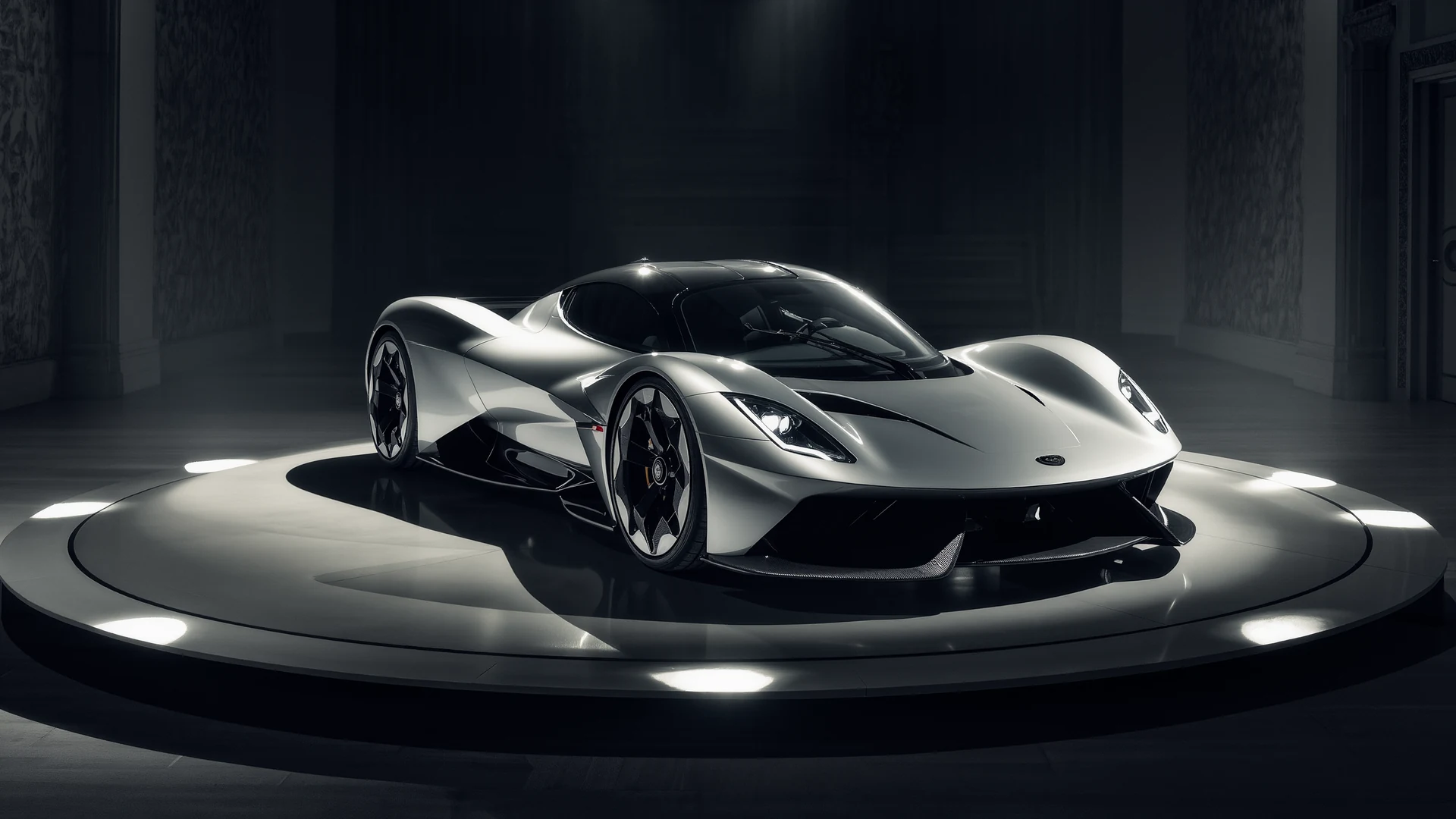

Most Expensive Hypercars in the World: The Ultimate List of Automotive Opulence
The most expensive hypercars in the world, from the 28 million dollar Rolls-Royce Boat Tail to the F1-powered Mercedes-AMG ONE, with prices and the…

The Hottest Hypercars: Sold Out Pre-Production
Hypercars represent the pinnacle of automotive engineering, a realm where performance, luxury, and cutting-edge technology converge to create…
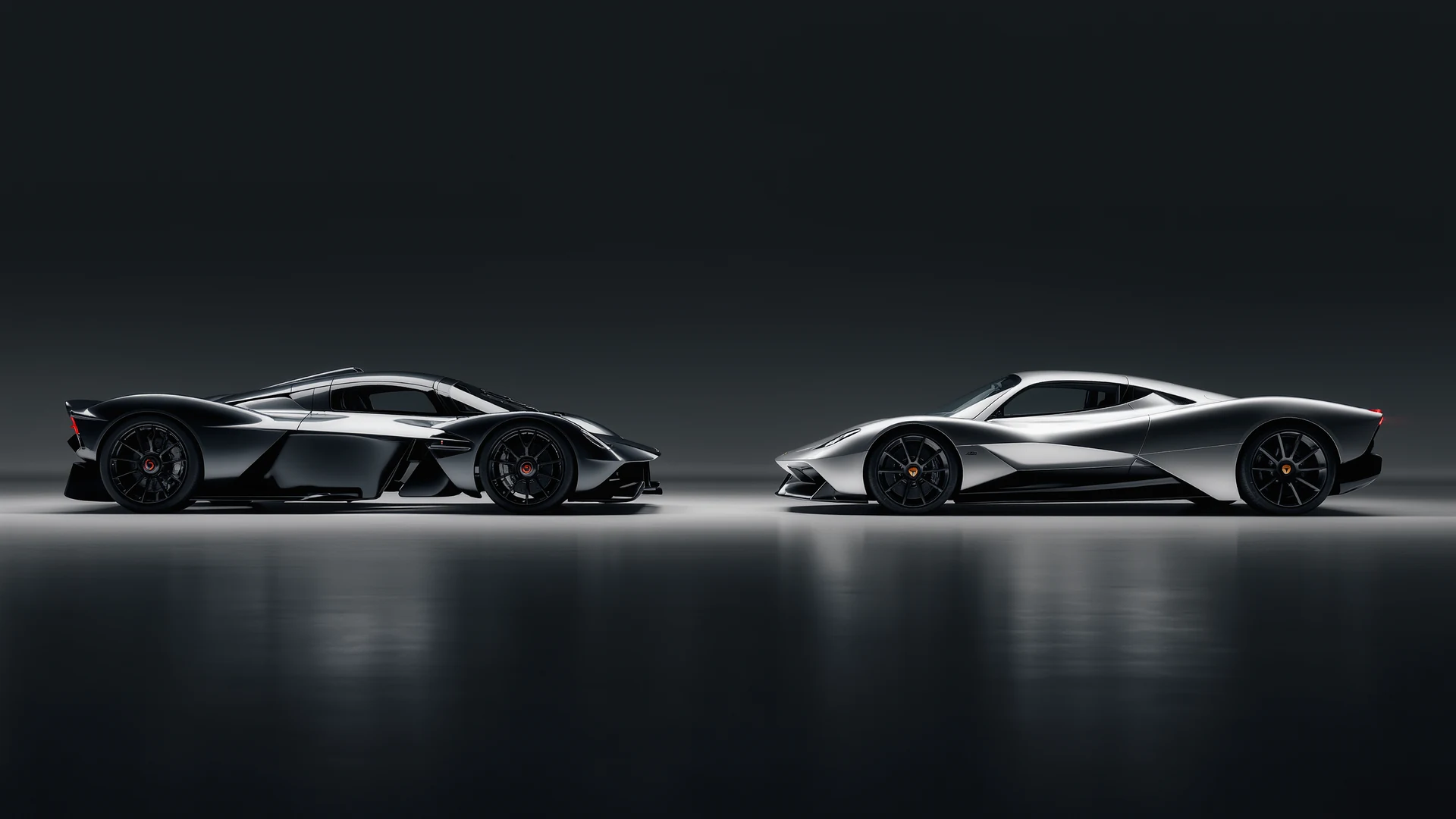
Hypercar vs Supercar Definitive Guide: Understanding the Automotive Hierarchy
Hypercar vs supercar explained: power, price, rarity and engineering. See why a supercar runs 500 to 800 hp while a hypercar starts near 1,000 hp.