Blog · Blog
The Hypercar Lifestyle in 2030: A Glimpse into the Future
The term “hypercar” has become synonymous with the pinnacle of automotive engineering, representing a class of vehicles that push the boundaries of speed, performance, …
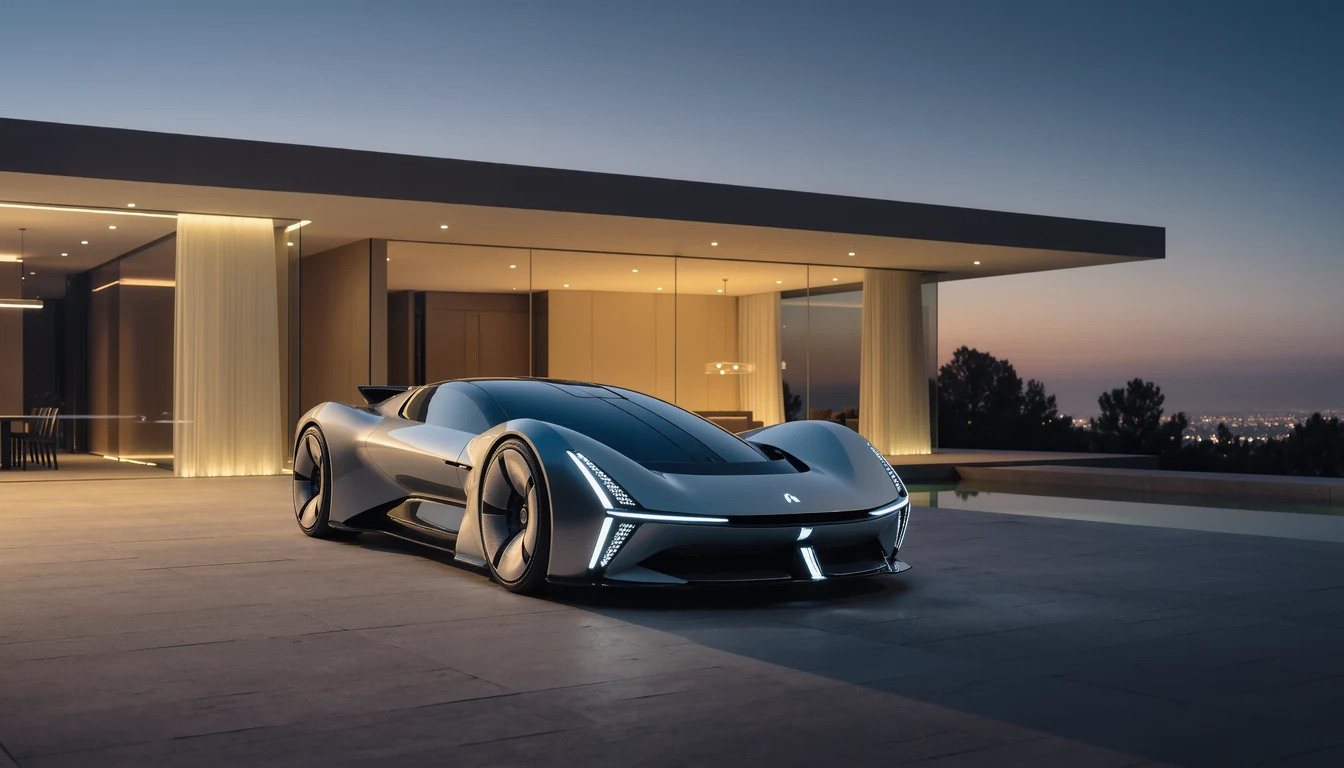
The term “hypercar” has become synonymous with the pinnacle of automotive engineering, representing a class of vehicles that push the boundaries of speed, performance, and technology. The evolution of hypercars can be traced back to the late 20th century when manufacturers began to experiment with advanced materials and engineering techniques. The McLaren F1, launched in 1992, is often credited as the first true hypercar, boasting a top speed of 240 mph and a lightweight carbon fiber chassis.
This groundbreaking vehicle set the stage for future hypercars, showcasing the potential of combining aerodynamics with cutting-edge technology. As the years progressed, hypercars evolved into a battleground for automotive manufacturers to showcase their engineering prowess. The introduction of models like the Bugatti Veyron in 2005, which shattered speed records with its 1,001 horsepower engine, marked a significant milestone in hypercar history.
This era saw the emergence of hybrid technology, with vehicles like the Porsche 918 Spyder and Ferrari LaFerrari blending traditional combustion engines with electric motors to enhance performance while reducing emissions. Today, hypercars are not just about raw power; they embody a fusion of art and science, where design aesthetics meet unparalleled engineering capabilities.
Key Takeaways
- Hypercars have evolved from being purely performance-focused to incorporating sustainable technology and autonomous driving features.
- Sustainable technology, such as electric and hybrid powertrains, is becoming increasingly common in hypercars to reduce environmental impact.
- Autonomous driving features are on the rise in hypercars, offering convenience and safety for drivers.
- Customization and personalization options allow hypercar owners to create unique and personalized vehicles.
- Hypercar ownership and access are becoming more flexible with the rise of car-sharing services and membership clubs.
Sustainable Technology in Hypercars
In recent years, the hypercar segment has increasingly embraced sustainable technology, reflecting a broader shift in the automotive industry towards eco-friendliness. Manufacturers are now focusing on hybrid and fully electric powertrains that not only deliver exceptional performance but also minimize environmental impact. The Rimac C_Two, for instance, is an all-electric hypercar that boasts an astonishing 1,914 horsepower while producing zero emissions.
This shift towards sustainability is not merely a trend; it represents a fundamental change in how hypercars are conceived and built. Moreover, advancements in battery technology and lightweight materials have enabled hypercar manufacturers to create vehicles that are both powerful and efficient. Carbon fiber and aluminum are now standard materials in hypercar construction, allowing for reduced weight without compromising structural integrity.
Additionally, regenerative braking systems and energy recovery technologies are becoming commonplace, further enhancing the sustainability of these high-performance machines. As consumers become more environmentally conscious, the demand for hypercars that prioritize sustainability will likely continue to grow.
The Rise of Autonomous Driving Features
The integration of autonomous driving features into hypercars is another exciting development in the automotive landscape. Features such as adaptive cruise control, lane-keeping assistance, and automated parking are becoming increasingly common in high-end vehicles, including hypercars.
This shift towards automation does not mean that the thrill of driving is being sacrificed; rather, it complements the experience by allowing drivers to focus on the road ahead without compromising safety. For instance, the Mercedes-AMG One incorporates Formula 1-inspired technology that not only enhances performance but also includes semi-autonomous features that assist drivers during high-speed maneuvers. As technology continues to advance, we can expect hypercars to evolve further into sophisticated machines that blend human skill with cutting-edge automation.
Customization and Personalization Options
One of the most alluring aspects of hypercar ownership is the extensive customization and personalization options available to buyers. Manufacturers recognize that hypercar enthusiasts often seek to express their individuality through their vehicles, leading to a plethora of bespoke options. From unique paint colors and interior materials to custom aerodynamic enhancements, buyers can tailor their hypercars to reflect their personal tastes and preferences.
Brands like Pagani and Koenigsegg have taken customization to new heights by offering clients the opportunity to collaborate directly with designers and engineers. This level of personalization not only enhances the ownership experience but also creates a sense of exclusivity that is highly coveted among collectors. Furthermore, limited-edition models often come with unique features that set them apart from standard offerings, making them even more desirable in the eyes of enthusiasts.
Hypercar Ownership and Access
Owning a hypercar is often seen as a status symbol, representing not just wealth but also a passion for automotive excellence. However, the reality of hypercar ownership extends beyond mere financial investment; it involves a commitment to maintaining and enjoying these high-performance machines. Many hypercar owners participate in exclusive clubs and events that cater specifically to their interests, providing opportunities to connect with like-minded individuals who share their passion for speed and engineering.
Access to hypercars is also evolving, with various companies offering fractional ownership models or rental services that allow enthusiasts to experience these extraordinary vehicles without the long-term commitment of ownership. This democratization of access enables a broader audience to appreciate the thrill of driving a hypercar while still maintaining the exclusivity associated with these high-performance machines.
Hypercar Lifestyle Events and Experiences
The hypercar lifestyle is not just about owning an extraordinary vehicle; it encompasses a range of events and experiences designed for enthusiasts. From exclusive track days at renowned circuits like Nürburgring or Circuit de Monaco to luxury car shows showcasing the latest models, these events provide opportunities for owners to immerse themselves in the world of high-performance automobiles. Many manufacturers host private events where clients can test their vehicles in controlled environments, allowing them to experience the full capabilities of their hypercars.
Additionally, luxury travel experiences tailored for hypercar enthusiasts have emerged as a popular trend. These experiences often include scenic drives through picturesque landscapes, gourmet dining at Michelin-starred restaurants, and stays at exclusive resorts. Such curated experiences not only enhance the enjoyment of owning a hypercar but also create lasting memories that resonate with the lifestyle associated with these extraordinary machines.
Hypercar Clubs and Communities
Hypercar clubs and communities have become vital components of the hypercar lifestyle, providing platforms for enthusiasts to connect and share their passion for high-performance vehicles. These clubs often organize events such as track days, rallies, and social gatherings where members can showcase their cars and engage in discussions about automotive technology and design. The camaraderie fostered within these communities creates a sense of belonging among owners who share similar interests.
Moreover, many hypercar clubs collaborate with manufacturers to offer exclusive access to new models or special events. This partnership not only enhances the member experience but also allows manufacturers to gather valuable feedback from passionate enthusiasts who understand the nuances of high-performance driving. As the hypercar market continues to grow, these clubs will play an essential role in shaping the culture surrounding these extraordinary vehicles.
The Influence of Hypercars on Fashion and Design
The allure of hypercars extends beyond the realm of automotive engineering; they have also made significant impacts on fashion and design. The sleek lines and innovative materials used in hypercar construction often inspire designers across various industries. Fashion houses have begun incorporating elements reminiscent of hypercar aesthetics into their collections, creating clothing and accessories that reflect the same spirit of innovation and luxury.
Furthermore, collaborations between automotive brands and fashion designers have become increasingly common. Limited-edition apparel or accessories inspired by specific hypercar models allow fans to express their admiration for these vehicles in their everyday lives. This cross-pollination between automotive design and fashion highlights how hypercars have transcended their primary function as vehicles to become symbols of style and sophistication.
Hypercar-Integrated Smart Cities
As urbanization continues to rise, the concept of smart cities is gaining traction worldwide. Hypercars are poised to play a significant role in this evolution by integrating advanced technologies that enhance urban mobility. With features such as vehicle-to-everything (V2X) communication systems, hypercars can interact with traffic signals, other vehicles, and even infrastructure to optimize traffic flow and reduce congestion.
Moreover, as cities embrace electric mobility solutions, hypercars equipped with sustainable powertrains will contribute to cleaner urban environments. The integration of hypercars into smart city planning represents a forward-thinking approach that aligns luxury automotive experiences with sustainable urban development.
Hypercar-Related Business Opportunities
The rise of hypercars has created numerous business opportunities across various sectors. From specialized maintenance services tailored for high-performance vehicles to bespoke customization shops that cater to individual preferences, entrepreneurs are finding innovative ways to tap into this lucrative market. Additionally, companies focused on developing cutting-edge technologies such as battery systems or lightweight materials are well-positioned to benefit from the growing demand for sustainable hypercars.
Furthermore, as more individuals seek access to hypercars through rental services or fractional ownership models, businesses that facilitate these experiences are thriving. Luxury car rental companies are expanding their fleets to include an array of hypercars, allowing enthusiasts to experience these extraordinary machines without committing to full ownership. This diversification within the automotive industry highlights how hypercars are not just symbols of status but also catalysts for economic growth.
The Future of Hypercar Racing and Competition
The future of hypercar racing is poised for transformation as manufacturers continue to innovate and push boundaries in performance technology. With the introduction of hybrid powertrains and advanced aerodynamics, racing series such as the FIA World Endurance Championship are witnessing an influx of hypercar entries that promise thrilling competition on track. These developments not only elevate the excitement for fans but also serve as testing grounds for technologies that will eventually find their way into consumer vehicles.
Moreover, as sustainability becomes a focal point in motorsport, we can expect an increased emphasis on electric racing series that showcase the capabilities of high-performance electric vehicles. The emergence of fully electric racing leagues will challenge manufacturers to develop cutting-edge technologies while maintaining competitive performance levels. As we look ahead, it is clear that hypercar racing will continue to evolve alongside advancements in automotive engineering, ensuring that this thrilling aspect of the hypercar lifestyle remains vibrant for years to come.
FAQs
What is a hypercar?
A hypercar is a type of supercar that represents the pinnacle of performance, technology, and luxury in the automotive world. These cars are known for their extreme speed, advanced engineering, and high price tags.What is the hypercar lifestyle?
The hypercar lifestyle encompasses the ownership and enjoyment of hypercars, as well as the associated luxury, exclusivity, and social status that comes with it. It often involves participating in high-end automotive events, exclusive clubs, and luxury travel experiences.What are some trends in the hypercar lifestyle for 2030?
In 2030, the hypercar lifestyle is expected to be influenced by advancements in electric and autonomous vehicle technology, as well as a growing emphasis on sustainability and environmental consciousness. There may also be a shift towards more personalized and unique hypercar ownership experiences.How will hypercar ownership change in 2030?
Hypercar ownership in 2030 may see an increase in electric and hybrid hypercars, as well as a greater focus on sustainable and eco-friendly practices within the hypercar community. Additionally, advancements in technology may lead to more personalized and connected ownership experiences.What are some potential challenges for the future of hypercar lifestyle?
Challenges for the future of hypercar lifestyle may include navigating evolving regulations and policies related to emissions and autonomous driving, as well as addressing concerns about the environmental impact of high-performance vehicles. Additionally, the hypercar industry may need to adapt to changing consumer preferences and expectations.◦ FAQ
Which car is considered the first true hypercar?
The McLaren F1, launched in 1992, is often credited as the first true hypercar. It boasted a top speed of 240 mph and a lightweight carbon fiber chassis, setting the stage for the hypercars that followed.
How did hybrid technology enter the hypercar world?
The hybrid era saw vehicles like the Porsche 918 Spyder and Ferrari LaFerrari blend traditional combustion engines with electric motors to enhance performance while reducing emissions. This marked a shift away from raw power alone toward a fusion of art and science.
How are hypercars expected to evolve by 2030?
Hypercars are moving beyond being purely performance-focused to incorporate sustainable technology and autonomous driving features. Electric and hybrid powertrains are becoming increasingly common as the category continues to evolve.
More in
More from Blog
Blog · 27 min
The Future of Hypercars: Electrification, Autonomy, and the Next Performance Frontier
The future of hypercars: how electrification, solid-state batteries, hybrid V16 powertrains, 3D printing, active aero, autonomy and eFuels redefine pe…
Blog · 29 min
Hypercar Maintenance Guide: The True Cost of Keeping an Automotive Masterpiece on the Road
Hypercar maintenance guide: real annual service costs from Bugatti and Koenigsegg to Pagani and Rimac, plus tire, brake and resale-value insights for …
Blog · 24 min
Hypercar Events Worldwide: The Ultimate Calendar for Collectors and Enthusiasts
Hypercar events worldwide: a collector’s calendar from Monterey Car Week and Goodwood to Villa d’Este, Top Marques Monaco, elite rallies a…